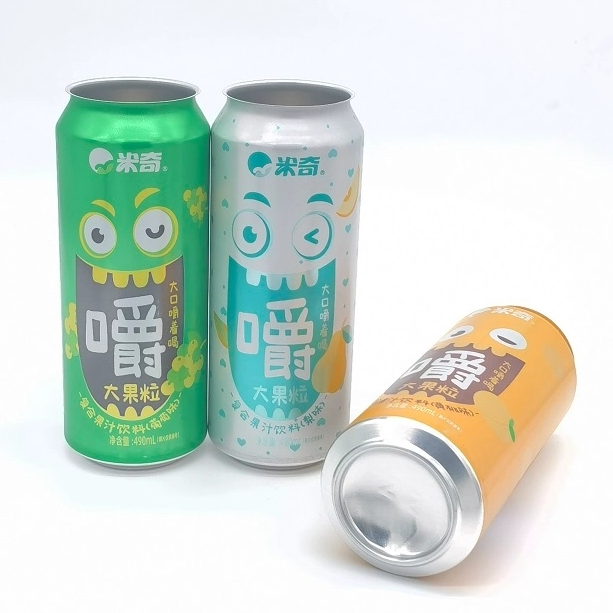
Choosing the right can size is crucial for your product’s success. Did you know that packaging can influence consumer perception and brand identity? Slim cans, distinct from standard and sleek options, offer a unique appeal.
In this post, we’ll discuss the importance of slim cans in modern beverage packaging. You’ll learn how selecting the right size and specifications can improve customer experience and enhance your brand.
Specifications to Consider When Choosing Slim Cans
Slim Can Dimensions and Material Considerations
Understanding the Diameter and Height of Slim Cans: What You Need to Know
When selecting a slim can, the dimensions play a crucial role. Slim cans typically have a smaller diameter and a taller design compared to traditional cans. For instance, a common slim can might measure 53mm in diameter and 134mm in height. These measurements significantly impact production and packaging.
The diameter of a slim can affects how it fits on production lines and into packaging systems. A smaller diameter, like 53mm, allows for more cans to fit in a smaller space during transportation and storage. However, this may require custom machinery or production processes to handle the narrower cans efficiently. On the other hand, the height of the can also matters. Short cans may be more compact and easier to pack, but taller cans tend to be more visible on store shelves, making them ideal for beverages that need to stand out.
Choosing the right height also depends on the beverage type. For example, energy drinks or small serving sizes might suit shorter slim cans, while premium beverages such as sparkling water or craft sodas often use taller cans to create a more elegant presentation. Additionally, taller cans may help consumers feel they’re getting more value for their money, making them ideal for larger serving drinks.

Choosing the Right Material for Your Slim Cans
When it comes to slim cans, aluminum is the most popular material. Aluminum has a range of benefits that make it an ideal choice for beverage packaging. It is lightweight, durable, and, most importantly, recyclable. Aluminum cans are excellent at keeping beverages fresh, as they protect against light, oxygen, and other elements that could affect taste. This is particularly important for products like energy drinks or craft sodas, which require consistent quality and taste.
The lightweight nature of aluminum also makes it easier to transport and store. Slim cans made from aluminum are less likely to break during handling, reducing the risk of product damage. Moreover, because aluminum is highly recyclable, it aligns with sustainable practices, an important factor for environmentally conscious brands.
In terms of shelf life, the durability of the aluminum can significantly affect how long your beverage remains fresh. A well-sealed aluminum can prevents oxygen and light from entering, two primary factors that cause drinks to lose flavor or spoil. For example, beverages like iced tea or flavored water that are sensitive to light and oxygen will benefit from aluminum cans, ensuring their flavor stays intact for longer periods.
Can Ends: Choosing the Right End Type for Slim Cans
The end of a can is another key factor in the manufacturing process, and selecting the right type of can end can influence both the cost and the production efficiency. There are two main types of ends used for slim cans: 200-end and 202-end.
200-end: Slim cans that use the 200-end are narrower and require a smaller can end diameter. This type is usually found on smaller-sized slim cans, typically 250ml or 8.4oz, and is often used in energy drinks or small-serving beverages. The 200-end requires specialized sealing equipment, but it works well for more compact packaging.
202-end: The 202-end is used for slightly wider cans, usually found on the standard 12oz slim cans. These are more versatile and compatible with most filling and sealing lines. 202-end cans are commonly used for premium beverages such as sparkling water, kombucha, or craft sodas. While they may require slightly more material due to the wider diameter, they are easier to handle on production lines and tend to be more cost-effective for larger production runs.
Choosing the correct end type impacts sealing, production efficiency, and ultimately cost. If the can diameter and end type don’t match, the production process can be slowed down, leading to inefficiencies and higher costs. When selecting the can end, it's important to ensure that it aligns with both the desired can size and the filling line capabilities. A mismatch here can result in production delays or even issues with sealing, leading to potential leaks or spoilage during distribution.
Moreover, the 200-end and 202-end types have different sealing methods, which also affects how well the cans hold their contents. The 202-end tends to be more secure in terms of sealing, offering better protection against contamination, which is crucial for beverages that need to remain fresh for longer periods. For high-end or premium beverages, this extra level of security can be an important factor in maintaining product quality during transport and storage.
Cost Considerations When Using Slim Cans
Unit Cost: Are Slim Cans More Expensive?
Slim cans can be more expensive than standard cans. This higher cost typically comes from several factors. The production of slim cans involves specialized equipment and sometimes custom molds, especially for the narrower diameters. The smaller production runs and the need for more precise manufacturing add to the cost. Additionally, the materials used, such as high-quality aluminum, can also influence the final price.
Comparing the unit cost of slim cans to standard cans is important for budgeting. While slim cans might cost more per unit, they can help elevate the perception of your brand, making it appear more premium. However, this comes with an added cost, which may not fit every budget. It’s important to weigh the potential marketing benefits against the additional costs when making this decision.
How to Calculate the Cost Per Unit When Using Slim Cans
When calculating the unit cost for slim cans, there are several factors to consider:
Materials: Aluminum costs, along with any coatings or finishes, will impact the price. Slim cans tend to require more specialized materials.
Production Costs: The manufacturing process for slim cans can be more expensive due to the specialized equipment needed. Custom molds or small batch production may increase costs.
Transportation and Storage: Slim cans are often more lightweight than standard cans, but their dimensions can require more careful handling and packaging, adding to transportation costs.
Economies of Scale and Production Volume
How Production Volume Impacts the Cost of Slim Cans
One of the most significant factors influencing the cost of slim cans is production volume. Larger orders typically lower the cost per unit. This is due to economies of scale, where the cost of producing each can decreases as the number of units increases. If you're able to place a large order, you can benefit from reduced pricing per unit, helping to balance out the initial higher cost of slim cans.
For brands planning to produce a larger quantity, slim cans may become more affordable per unit, making them more viable for larger scale operations. However, smaller companies or those with lower sales volumes may face higher prices.
Minimum Order Quantities (MOQs) and Availability Challenges for Slim Cans
Slim cans can be harder to source in smaller quantities. Many suppliers require a minimum order quantity (MOQ), meaning that small businesses or startups might find it difficult to meet the required volume. These MOQs often come with higher costs, making slim cans an expensive option unless you are ordering in bulk.
Additionally, the availability of slim cans may vary by region. In some areas, slim cans are less common, leading to fewer suppliers and increased costs. As a result, securing slim cans at a reasonable price may require careful planning and negotiation with suppliers.
While the initial investment in slim cans might be higher, large orders and long-term planning can help reduce overall costs and make slim cans more accessible for your product.
Environmental and Sustainability Considerations for Slim Cans
Are Slim Cans Environmentally Friendly?
Slim cans are often seen as a more eco-friendly option compared to other packaging types. The key reason is aluminum, which is highly recyclable. In fact, aluminum cans are one of the most recycled packaging materials in the world. This makes slim cans a good choice for businesses aiming to reduce their environmental footprint.
The recycling rate of aluminum is notably high, especially compared to other materials like plastic. Slim cans, being made from aluminum, can be recycled indefinitely without losing quality. This makes them a sustainable choice, particularly in industries focused on reducing waste. However, the environmental impact also depends on how the cans are produced and whether the production process uses energy-efficient methods.
Compared to plastic bottles, which have a low recycling rate, aluminum offers a significant advantage in sustainability. Slim cans, when recycled properly, can help reduce plastic waste and its negative impact on the environment.
What to Look for in Eco-Friendly Slim Can Options
When searching for eco-friendly slim can options, there are several things to keep in mind. First, consider the materials used in the can's production. Some suppliers offer slim cans made from 100% recycled aluminum, further reducing the environmental impact. This is an excellent option if you're looking to minimize your product's carbon footprint.
Additionally, check the production practices of suppliers. Look for manufacturers who use renewable energy sources or implement water and energy-efficient processes in their operations. These practices can make a significant difference in reducing the environmental impact of producing slim cans.
You should also consider the packaging of the cans. Sustainable packaging options, like biodegradable or recyclable labels, can complement your eco-friendly slim cans. By working with suppliers who focus on sustainability in all aspects of production, you can ensure that your product aligns with environmentally-conscious values.
Branding and Marketing with Slim Cans
How Slim Cans Can Enhance Your Product’s Visual Identity
Slim cans can elevate your product’s visual identity. Their sleek and modern design creates a premium feel, helping your beverage stand out on the shelf. A slim can’s unique shape immediately draws attention, especially in a crowded market filled with traditional cans. This is crucial for businesses wanting to position themselves as a high-end or niche brand.
Using slim cans to showcase your product’s image can significantly impact how consumers perceive your brand. The slender design feels more refined and sophisticated, ideal for premium products like craft sodas, iced teas, or sparkling waters. In essence, slim cans allow you to send a message of exclusivity and quality, while distinguishing your product from others.
What design elements work best with slim cans?
When designing for slim cans, there are several key considerations to keep in mind. The can’s shape offers limited space for labeling, so it's important to make every inch count. Bold, simple graphics work best. High-contrast colors and sleek fonts can help communicate your brand's message effectively. Additionally, minimalist designs with large, clear logos can create an elegant look that attracts attention.
The tall, narrow shape of a slim can offers more height than width, so vertical designs or elongated graphics often look better. When choosing colors, ensure they align with your brand’s identity while ensuring the design stands out on crowded store shelves. A clean design, along with unique features like metallic finishes or embossing, can further enhance your product’s visual appeal.
Slim Cans and Consumer Perception
How Slim Cans Influence Consumer Expectations and Brand Loyalty
Slim cans are not just packaging; they shape consumer perceptions. Their premium look can evoke feelings of luxury and innovation, influencing how consumers value the product inside. Consumers are more likely to associate slim cans with high-end or special-edition products, leading to higher expectations for taste and quality.
Slim cans can also build brand loyalty. Their distinctive look creates a sense of familiarity and exclusivity, making customers feel they’re part of a unique experience. When consumers see slim cans on the shelf, they may be more inclined to reach for them, associating the packaging with quality and sophistication. Over time, this builds trust and encourages repeat purchases.
Using Slim Cans to Differentiate Your Beverage in a Crowded Market
In today’s competitive beverage industry, differentiation is key. Slim cans give your product a distinct edge over competitors. Their modern design and unique size help your product stand out on crowded shelves. If you're launching a new drink or entering a competitive category, using slim cans can instantly catch the eye of potential buyers.
Additionally, slim cans can convey innovation. As consumers look for new experiences and products, the packaging can signal that your beverage is fresh and forward-thinking. This makes slim cans an ideal choice for companies looking to differentiate themselves in a market full of traditional packaging options.
Practical Tips for Choosing the Right Slim Can Size
Questions to Ask When Selecting a Slim Can for Your Product
Choosing the right slim can for your product involves considering several key factors. Here are some questions to ask during the selection process:
What is the target market for your beverage?The market you're targeting can influence the can size you choose. A younger audience may prefer smaller, more portable sizes, while older customers might lean towards larger, resealable options. Understanding your target market’s needs is crucial for selecting the right slim can size.
Does the slim can size align with your product’s intended use and portion control?Think about the type of beverage you're selling. If your drink is designed to be consumed in a single sitting, a smaller slim can might be ideal. Larger drinks, however, might require taller cans to provide more volume. Ensure that the size matches the serving expectations for your customers.
Are there logistical challenges to consider, such as production capabilities and supply chain availability?Slim cans may require specialized equipment or processes for production. Consider whether your production line can accommodate the size you’ve chosen and whether suppliers can meet your needs in terms of delivery and availability. It's important to assess potential delays or challenges in sourcing slim cans and whether they align with your supply chain.
How to Work with Suppliers for Slim Cans
Selecting the right supplier and co-packer for your slim cans is crucial to ensuring quality and reliability in your product. Here’s how you can approach the process:
Finding the Right Co-Packer and Can Supplier
What to look for when sourcing slim cans and understanding MOQ challenges:When sourcing slim cans, it’s essential to understand minimum order quantities (MOQs) and how they affect your business. Some suppliers may have high MOQs, making it challenging for small brands or startups. Look for suppliers who can work within your production volume and provide flexibility with minimum orders.
Evaluate the supplier’s ability to meet your specifications:Ensure that the supplier can meet the size, material, and design requirements for your cans. A reliable supplier will work with you to customize the cans according to your specifications, from diameter and height to can ends.
How to Build a Long-Term Relationship with Slim Can Suppliers
Key considerations for ensuring quality, cost-effectiveness, and reliable service:Building a strong relationship with your supplier is key to long-term success. Start by assessing their reputation, production capabilities, and ability to deliver on time. Reliability and cost-effectiveness are crucial in ensuring a smooth supply chain. Look for suppliers who are transparent about lead times, costs, and quality standards.
Communication and trust:Good communication is essential. Keep your suppliers informed about any changes in your production schedule or design specifications. Building trust with your supplier will ensure that you can count on them for consistent quality and support when needed. Establish clear expectations from the beginning to avoid surprises down the road.
Conclusion
Choosing the right slim can is crucial for your product’s success. Consider size, material, and design to match your brand's identity. Ensure it aligns with your target market and production capabilities.
To get started, reach out to reliable suppliers who can provide custom solutions for your beverage needs. They’ll help you find the perfect slim can to elevate your product and meet your production goals.
FAQ
Q: What are the advantages of using slim cans for my product?
A: Slim cans offer a premium, modern look that helps your product stand out on shelves. They are perfect for creating a niche or high-end brand image. Slim cans are also lightweight, durable, and recyclable, making them an eco-friendly option compared to other packaging types like plastic bottles.
Q: How do slim cans impact the customer experience?
A: Slim cans are often perceived as more sophisticated and exclusive, which can elevate the overall customer experience. Their compact size and sleek design make them easier to handle and consume, offering a more enjoyable and convenient drinking experience.
Q: Are slim cans more expensive than standard cans?
A: Yes, slim cans are typically more expensive due to the specialized production processes, smaller batch sizes, and the materials used. However, their premium design can justify the cost, especially for beverages targeting higher-end markets or niche audiences.