Contents
Introduction
Understanding the Standard Can
Common Capacities of a Standard Can
Variations by Material: Aluminum vs. Other Metals
Beverage-Specific Standard Cans
Comparing Standard Can Sizes: Practical Applications
Manufacturing and Design Considerations
Environmental Impact of Standard Can Sizes
Conclusion
FAQ
Introduction
The standard can is an essential container in the beverage industry, widely recognized for its convenience, portability, and consistent sizing. Its capacity is crucial for manufacturers, retailers, and consumers alike, as it influences production efficiency, packaging costs, and consumption experience. Understanding the capacity of a standard can provides insight into industry standards, consumer expectations, and the design considerations that guide modern beverage packaging. With multiple variations in size and material, knowing the specific capacities ensures compatibility across markets and applications.
Understanding the Standard Can
A standard can typically refers to a cylindrical container designed to hold liquids, predominantly beverages. Its popularity stems from uniformity in handling, stacking, and distribution. Standardization ensures that vending machines, refrigerators, and retail displays can accommodate cans of predictable dimensions.
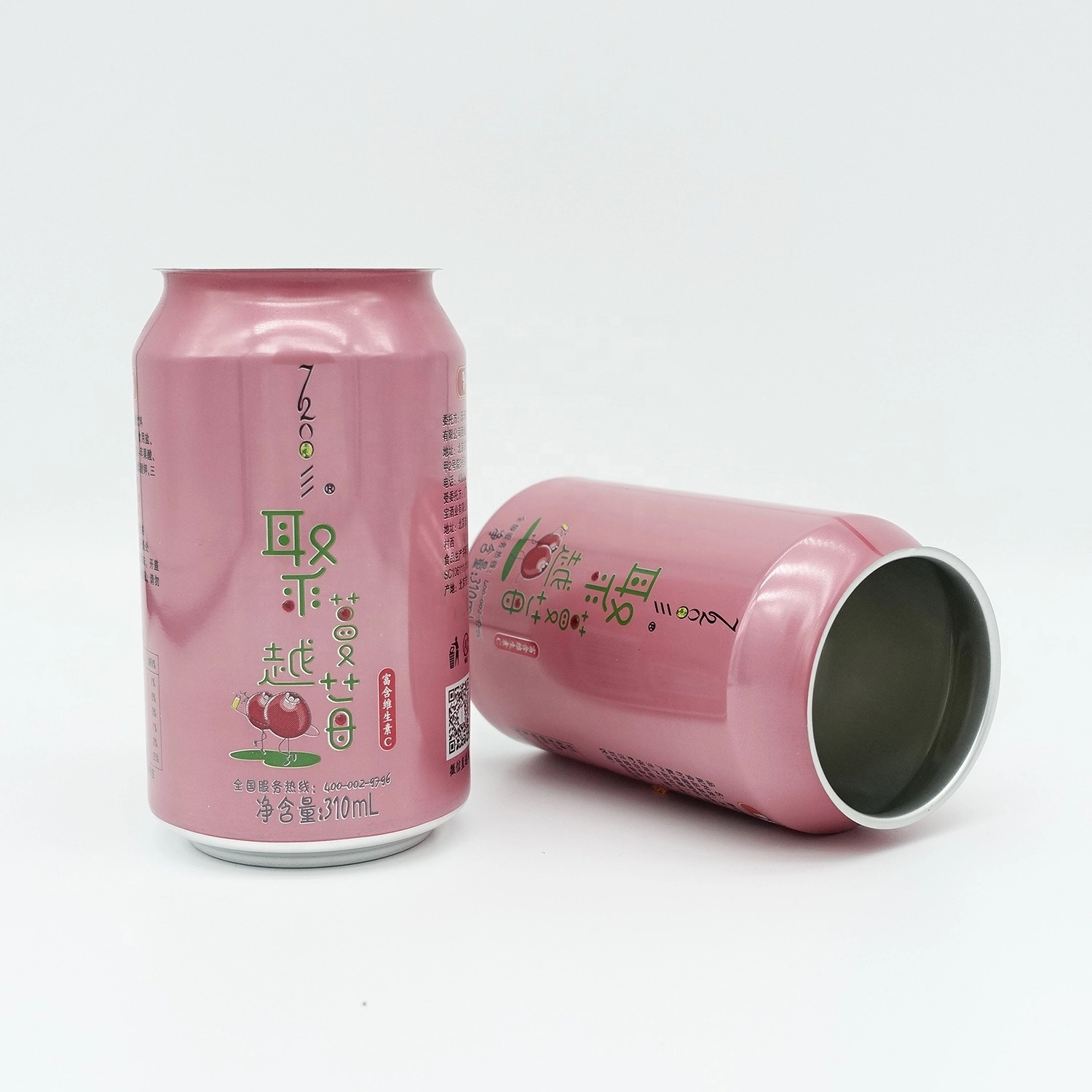
While the term “standard” may imply a single size, the reality is more nuanced. Various standard can types exist based on regional and functional differences, including 355ml, 330ml, and 473ml capacities. Each variation addresses distinct needs: from casual soft drinks to premium craft beverages. Beyond liquid volume, standard cans are also evaluated based on their material—most commonly Aluminum—which affects durability, thermal performance, and recyclability.
The significance of knowing the precise capacity lies in operational efficiency. Beverage manufacturers rely on consistent standard can volumes to calibrate filling machines, manage inventory, and meet labeling regulations. For consumers, it guarantees predictable servings and nutritional content.
Common Capacities of a Standard Can
The capacity of a standard can varies according to its intended use, but some sizes dominate the market due to global standardization. Common capacities include:
| Capacity | Description | Typical Use | Material Variant |
| 250ml | Small can | Energy drinks, mini sodas | Aluminum, Silver Aluminum |
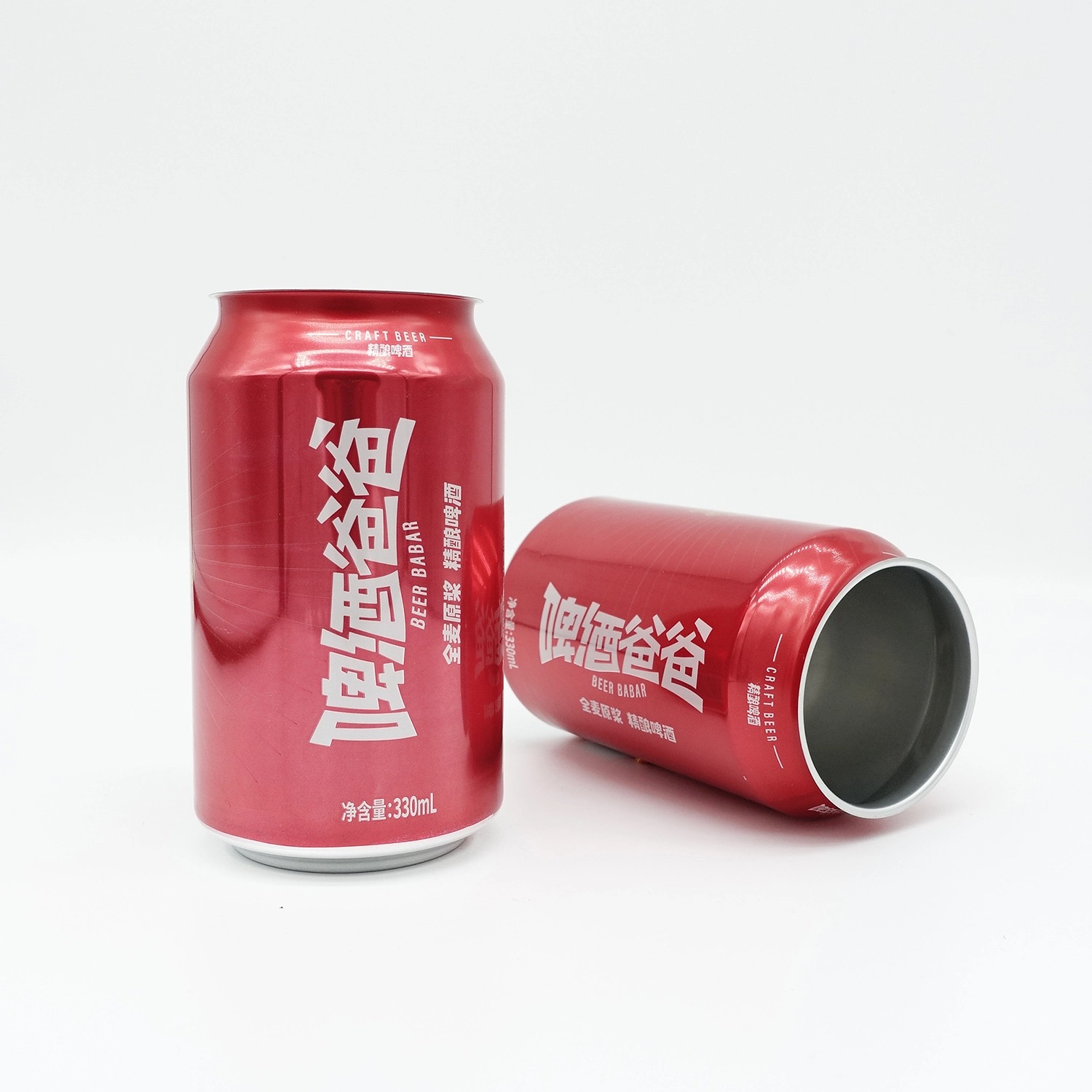
| 330ml | Classic European size | Soft drinks, beers | Aluminum, Premium |
| 355ml | Standard North American can | Soft drinks, sparkling water | Aluminum, Premium |
| 450ml | Large can | Specialty beverages, cocktails | Aluminum, Premium |
| 473ml | Tall can | Craft beer, energy drinks | Aluminum, Premium |
| 500ml | Extra-large | Specialty soft drinks, mixers | Aluminum, Premium |
These capacities reflect both regional preferences and product positioning. For instance, 355ml cans are the North American standard, while 330ml cans are widely used in Europe and Asia. Larger cans, such as 450ml and 500ml, cater to consumers seeking extended servings or premium experiences. Manufacturers often select premium Aluminum for these larger volumes to ensure structural integrity and ease of recycling.
Variations by Material: Aluminum vs. Other Metals
While Aluminum dominates the beverage can market, alternative metals such as tin-plated steel and composite alloys exist. The choice of material impacts the standard can capacity due to strength and weight considerations. Aluminum allows for thinner walls without compromising durability, which means manufacturers can maintain standard volumes like 355ml or 330ml while reducing material usage.
Moreover, Silver Aluminum cans offer enhanced aesthetics for premium beverages, reinforcing brand perception while retaining standard capacity. Non-aluminum cans, though less common, may be used in specialty or export markets where transport or regulatory conditions favor other metals. The material also influences thermal conductivity; Aluminum standard cans chill faster than steel alternatives, enhancing consumer experience in chilled beverages.
Beverage-Specific Standard Cans
Different beverage categories demand specific standard can capacities. Soft drinks, energy drinks, beer, and sparkling water often have distinct preferred volumes:
Soft drinks: Typically 330ml or 355ml, balancing convenience with standard portion control.
Energy drinks: Often 250ml for higher caffeine concentration per serving.
Beer: Regional variation; 330ml in Europe, 355ml in North America, larger 473ml cans for craft styles.
Premium beverages: Craft cocktails or functional drinks use 450ml or 500ml cans for perceived value.
These choices ensure that a standard can aligns with consumer expectations and industry norms while providing consistency in packaging and labeling.
Comparing Standard Can Sizes: Practical Applications
Understanding standard can capacities is critical for both consumers and businesses:
Inventory management: Retailers can optimize shelf space by knowing which sizes are compatible with standard displays.
Vending machines: Accurate sizing prevents jamming and ensures smooth operation.
Transport logistics: Standardized volumes allow for efficient stacking and shipping calculations.
Consumer expectations: Familiar sizes, like 355ml, provide predictable servings and calorie counts.
Practical application also involves comparing volumes. For instance, a 500ml can contains roughly 42% more liquid than a 355ml can, which can influence marketing, portion control, and pricing strategies.
Manufacturing and Design Considerations
The design of a standard can extends beyond capacity. Engineering considerations include:
Wall thickness: Balancing structural integrity with material cost.
Seam design: Preventing leakage and ensuring pressure resistance.
Top and bottom geometry: Affecting stacking stability and opening mechanisms.
Material finish: Enhancing aesthetics through premium Aluminum or Silver Aluminum coatings.
Capacity dictates design constraints. Larger cans, such as 473ml or 500ml, require additional support structures to maintain integrity under carbonation pressure. Manufacturers often run simulations to optimize material use while retaining standard can volumes.
Environmental Impact of Standard Can Sizes
Sustainability is increasingly critical in packaging. Choosing the right standard can capacity affects recycling efficiency, carbon footprint, and resource utilization:
Aluminum recycling: High recycling rates for Aluminum standard cans reduce energy consumption and greenhouse gas emissions.
Size optimization: Smaller cans, like 250ml, may require more packaging per liter of beverage, while larger cans, such as 500ml, offer material efficiency per unit volume.
Consumer behavior: Appropriately sized standard cans reduce waste from unfinished beverages.
Selecting the optimal capacity thus balances environmental responsibility with market demand and consumer convenience.
Conclusion
The capacity of a standard can is far more than a number—it influences production, logistics, consumer satisfaction, and environmental outcomes. From 250ml mini-cans to 500ml large servings, understanding standard volumes helps stakeholders across the beverage industry make informed decisions. Material choice, beverage type, and regional norms all intersect to define what constitutes a standard can, making its study essential for anyone involved in beverage packaging and consumption.
FAQ
Q1: What is the most common standard can size?
The most widely used standard can sizes are 355ml in North America and 330ml in Europe, commonly employed for soft drinks and beers.
Q2: Do standard cans come in materials other than aluminum?
Yes, while Aluminum dominates, some cans are made from tin-plated steel or specialty alloys. Silver Aluminum is often used for premium beverage cans.
Q3: Why are larger standard cans like 500ml used?
Larger cans cater to premium beverages or consumers seeking extended servings. They are carefully designed to maintain durability and ease of handling.
Q4: How does can capacity affect the environment?
Smaller cans may increase material usage per liter of beverage, while larger cans often improve material efficiency. Recycling Aluminum standard cans is energy-efficient and environmentally favorable.
Q5: Are standard can sizes consistent globally?
Not entirely. While 355ml and 330ml are widely recognized, some markets favor 473ml or 500ml cans, reflecting regional preferences and beverage types.


