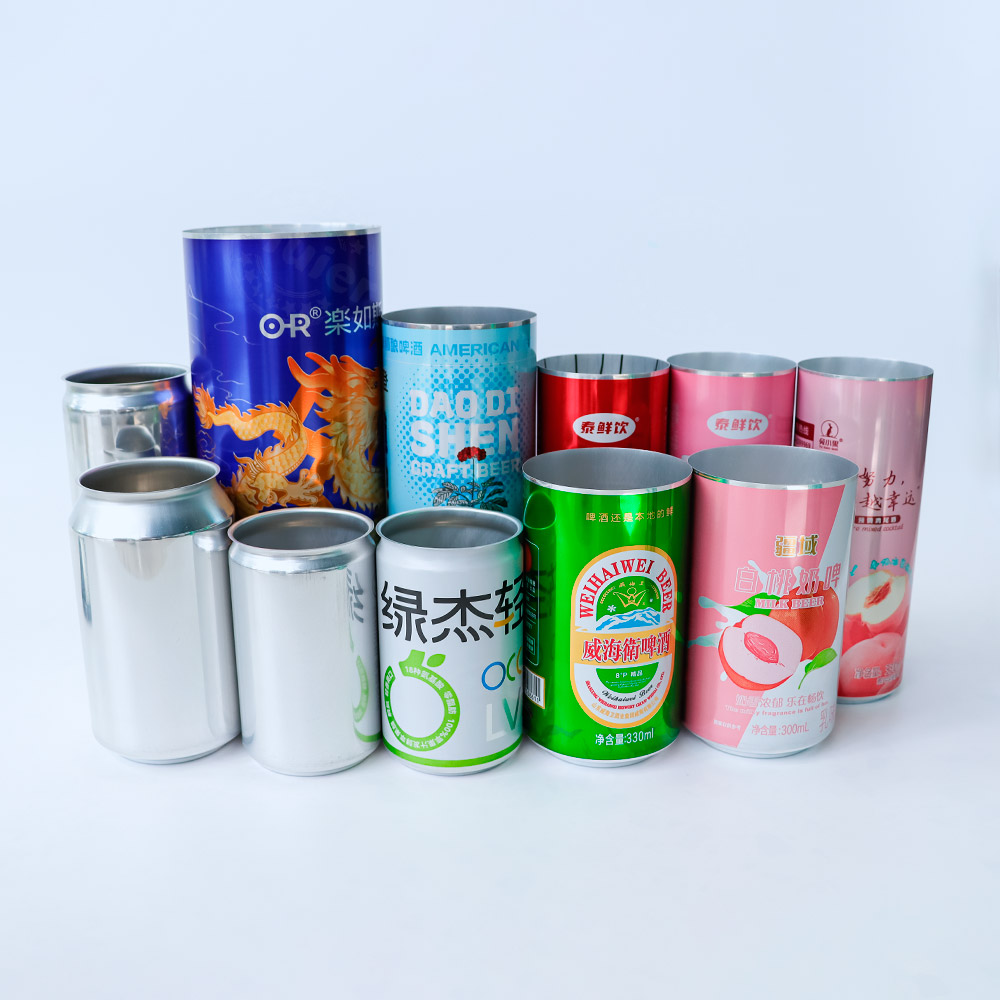
Are you looking to align your packaging choices with sustainability goals? Sleek cans have become a top choice for beverage companies, offering both aesthetic appeal and eco-friendly benefits. With the increasing demand for sustainable packaging, businesses must rethink their procurement strategies.
In this post, we’ll discuss how to choose sleek cans that align with your sustainability goals. You'll learn key procurement strategies and the benefits of choosing eco-friendly packaging for your brand.
Understanding Sustainability Goals in Beverage Packaging
What Does Sustainable Packaging Mean?
Sustainable packaging refers to materials that have minimal environmental impact. The key principles include recyclability, biodegradability, and using renewable resources. Packaging that can be recycled repeatedly, like aluminum cans, reduces waste and supports a circular economy. Biodegradable packaging breaks down naturally, limiting long-term pollution. Sustainable choices also minimize the energy used in production, ensuring a smaller carbon footprint.
Why Sustainability in Packaging Is Critical for Brands
Sustainability isn't just good for the planet—it's essential for your brand’s reputation. Consumers are increasingly drawn to eco-friendly products. Brands that adopt sustainable practices build consumer loyalty and trust. Plus, sustainable packaging helps companies stay ahead of environmental regulations. It can prevent fines, lower waste management costs, and provide a competitive edge in a market that values eco-conscious products.
How Sustainability Goals Vary by Business Size and Type
Sustainability goals often differ between small businesses and large corporations. Small brands typically focus on more affordable, accessible solutions. They may prioritize packaging materials that are easy to implement and fit their budget. Larger companies, on the other hand, have the resources to invest in cutting-edge sustainable technologies and aim for more ambitious goals, like carbon-neutral production. Both types of businesses benefit from aligning their packaging choices with their sustainability goals, but the strategies and resources they use can vary.
Why Choose Sleek Cans Over Traditional Cans?
The Rise of Sleek Cans
Sleek cans have gained popularity due to their modern, slim design. Brands like Pepsi, Monster, and Red Bull have embraced them for their sleek, stylish look. These cans offer more than just aesthetic appeal—they are efficient and practical, offering a better way to package beverages. The increasing use of sleek cans is part of a larger trend where brands focus on both functionality and visual appeal.

Sleek Cans and Environmental Impact
Sleek cans are a game-changer when it comes to sustainability. Compared to traditional cans, they use up to 15% less aluminum. This means less material is needed, reducing both production costs and environmental impact. Sleek cans are also 100% recyclable, allowing for easy reuse in a closed-loop system. By requiring less energy to manufacture and being lighter, they help reduce the carbon footprint throughout the supply chain. Studies show that aluminum cans, in general, are among the most sustainable packaging options, contributing to a circular economy.
Consumer Perception and Market Trends
Eco-conscious consumers are increasingly attracted to sleek cans. Their minimalistic design not only looks modern but also represents a brand's commitment to sustainability. Today, consumers expect brands to make environmentally responsible choices. Sleek cans align perfectly with these expectations. As a result, brands that use sleek cans benefit from a positive brand image and tap into the growing market for sustainable products.
Procurement Strategies for Sustainable Sleek Cans
Factors to Consider When Choosing Sustainable Cans
Material Choices
When selecting a sustainable can, the material is crucial. Aluminum is a top choice as it's 100% recyclable and requires less energy to recycle compared to plastic. Aluminum cans can be reused indefinitely without losing quality. In contrast, plastic materials degrade after multiple recycling cycles, making them less sustainable over time.
The Role of Suppliers in Achieving Sustainability Goals
Suppliers play a critical role in meeting sustainability targets. When choosing a can supplier, look for those who prioritize environmentally-friendly practices. These include sourcing materials responsibly, reducing energy consumption, and maintaining transparency about their environmental impact.
Certifications and Eco-Labels
Certifications like FSC (Forest Stewardship Council) or ISO 14001 can help ensure that the materials used are sustainably sourced and meet global environmental standards. Eco-labels indicate that the products are manufactured using sustainable methods, providing consumers with confidence in your product's environmental impact.
Aligning Packaging with Brand Sustainability Goals
Your procurement strategy should align with your brand’s sustainability mission. For example, if your brand aims to reduce its carbon footprint, sourcing aluminum cans made from recycled material or using eco-friendly suppliers is a solid choice. Consider factors such as energy consumption, water use, and waste management when evaluating packaging options. This ensures that your packaging choices are consistent with your broader sustainability objectives.
Assessing Supplier Sustainability
When selecting suppliers, focus on those committed to reducing their environmental footprint. Look for suppliers who use recycled materials in production, minimize waste, and prioritize energy-efficient manufacturing processes. Ask for sustainability reports or certifications to verify their claims. A supplier's practices should complement your brand's environmental goals to create a long-term partnership that drives sustainability.
Long-Term Relationships with Sustainable Suppliers
Building long-term, collaborative relationships with sustainable suppliers can significantly benefit your brand. These suppliers will not only help you maintain consistent packaging quality but also work with you to improve sustainability over time. Strong relationships allow for better communication, more innovative solutions, and mutual growth in achieving sustainability targets.
How to Evaluate the Cost-Effectiveness of Sleek Cans
Understanding the Cost of Sustainable Packaging
Cost Comparison
Sleek cans may have a slightly higher upfront cost compared to traditional cans, mainly due to the material and design. However, their recyclability and reduced material usage often make them a more cost-effective option in the long run. Aluminum is one of the most sustainable materials, and its ability to be recycled endlessly helps reduce overall packaging costs over time.
Financial Benefits of Eco-Friendly Cans
Choosing sustainable cans offers several financial benefits. First, sleek cans require less material, which reduces production costs. Second, their lighter weight reduces transportation expenses. Since they take up less space, more products can be shipped per load, leading to savings in shipping costs. Lastly, reduced waste management costs come from using recyclable materials, which are easier to handle compared to non-recyclable options.
Volume Discounts and Bulk Purchasing
Buying in bulk can lower the per-unit cost of sleek cans, making it an efficient strategy for businesses. By committing to larger orders, companies can negotiate better pricing, ultimately reducing overall packaging costs. Bulk purchasing also allows brands to streamline their supply chain and reduce storage costs. This approach not only supports sustainability but also improves cost efficiency by minimizing excess packaging waste.
The Role of Innovation in Cost Reduction
Technological advancements in sleek can production are driving cost reductions while ensuring sustainability. New manufacturing processes are more energy-efficient, reducing the amount of energy required during production. Innovations, like improved aluminum recycling and lighter can designs, lower material usage without compromising quality. These advances not only make sleek cans more affordable but also align with sustainability goals by minimizing waste and energy consumption.
Overcoming Common Procurement Challenges in Sustainable Packaging
Availability of Sustainable Sleek Cans
Sourcing eco-friendly sleek cans can sometimes be challenging. While aluminum is widely recyclable, the production process for sleek cans may be limited depending on your location or supplier. One way to address this issue is by building strong relationships with reliable suppliers who prioritize sustainability. It's also important to stay updated on the latest industry trends to ensure your suppliers have access to eco-friendly materials and production technologies.
Balancing Cost with Sustainability
One of the main challenges businesses face when choosing sustainable packaging is balancing the desire for eco-friendly options with cost constraints. While sleek cans may come with higher upfront costs, they offer long-term savings in energy and transportation costs. To make the balance easier, companies can set clear sustainability goals and prioritize investments that offer the best return on environmental and financial impact. Bulk purchasing and long-term supplier agreements can help lower costs without compromising sustainability.
Logistics and Supply Chain Efficiency
Selecting local suppliers can greatly enhance the sustainability of your procurement process. By sourcing materials closer to your production facility, you reduce transportation costs and the associated carbon footprint. Additionally, optimizing transportation routes and using energy-efficient vehicles can further lower emissions and costs. This approach not only improves supply chain efficiency but also aligns with your sustainability goals.
Best Practices for Integrating Sustainable Procurement in Your Business
Setting Clear Sustainability Objectives
To make sustainable procurement effective, it's crucial to set clear, measurable goals. Start by defining what sustainability means for your brand. Are you focusing on reducing carbon emissions, using recyclable materials, or improving energy efficiency in production? Once you have specific objectives, align them with your procurement strategy. For example, aim for a certain percentage of recycled materials in your packaging or set targets for reducing waste across your supply chain.
Using Data to Measure Sustainability Efforts
Tracking your sustainability efforts is key to understanding the impact of your choices. By measuring metrics such as the amount of recyclable materials used, energy consumed, and carbon emissions, you can assess how well your procurement strategy aligns with your goals. Regular reporting helps you spot areas for improvement. Tools like sustainability software can help automate this process and provide insights into your overall environmental impact.
Communicating Sustainability to Consumers
Consumers increasingly care about sustainability. Businesses that highlight their commitment to eco-friendly packaging build trust and loyalty. Use your packaging as a platform to communicate these efforts. Consider adding eco-labels or messages that educate consumers about your sustainability initiatives. Transparency is essential—share your progress through social media, annual sustainability reports, or your website to engage customers and show your commitment to environmental responsibility.
Conclusion
Sleek cans are the future of sustainable packaging. As eco-conscious trends grow, these cans will continue to evolve, driving efficiency and reducing environmental impact.
Businesses must act now. By adopting sustainable procurement strategies, they can help create a circular economy. Aligning packaging choices with sustainability goals ensures long-term success and meets consumer demands.
FAQ
Q: What are the main advantages of using sleek cans for sustainability?
A: Sleek cans are more energy-efficient, use less material, and are 100% recyclable. Their lightweight design reduces transportation costs, and the recycling process saves energy. These cans support a circular economy by allowing repeated reuse without losing quality.
Q: How can businesses assess the sustainability of their packaging choices?
A: Businesses can track sustainability metrics such as recyclability, energy consumption, and carbon emissions. Regular reporting and data collection help businesses measure the impact of their packaging and ensure alignment with sustainability goals.
Q: What role do suppliers play in sustainable packaging procurement?
A: Suppliers are key to achieving sustainability goals. Businesses should choose suppliers who prioritize eco-friendly practices, use recycled materials, and reduce waste in production. Building long-term relationships with such suppliers ensures ongoing sustainability.