Contents
Introduction
Understanding Silver Aluminum Cans in Large Formats
Why the 473ml standard can Plays a Key Role in Recycling Systems
How Recycling Processes Handle Large-Format Silver Aluminum Cans
Environmental Advantages of Recycling the 473ml standard can
Challenges and Misconceptions About Large Aluminum Can Recycling
Design, Material Purity, and Their Impact on Recyclability
Conclusion
FAQ
Introduction
Silver aluminum cans have become a familiar sight across global beverage markets, particularly in larger sizes designed to meet evolving consumption habits. Among these, the 473ml standard can stands out as a widely adopted large-format solution for beverages, balancing volume, durability, and logistics efficiency. As sustainability expectations rise, recyclability is no longer a secondary consideration but a core requirement. Understanding whether silver aluminum cans in large formats are truly recyclable—and how effectively they integrate into modern recycling systems—addresses a critical environmental and industrial concern. This article provides a deep, structured analysis of recyclability, focusing on large-format silver aluminum cans and the role of the 473ml standard can in circular material economies.
Understanding Silver Aluminum Cans in Large Formats
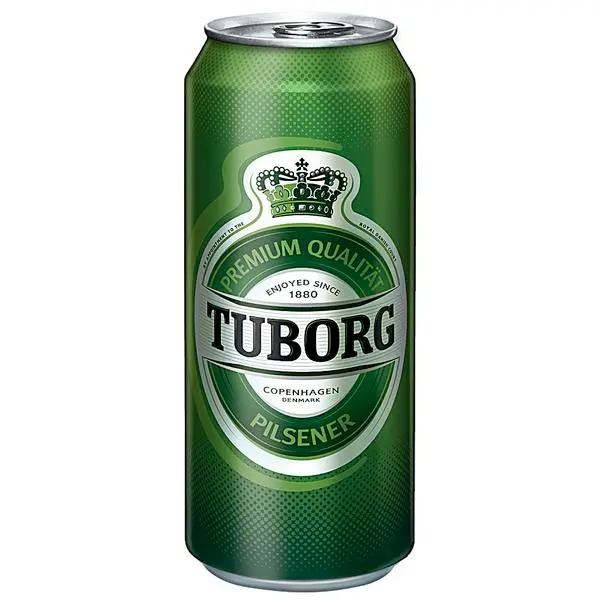
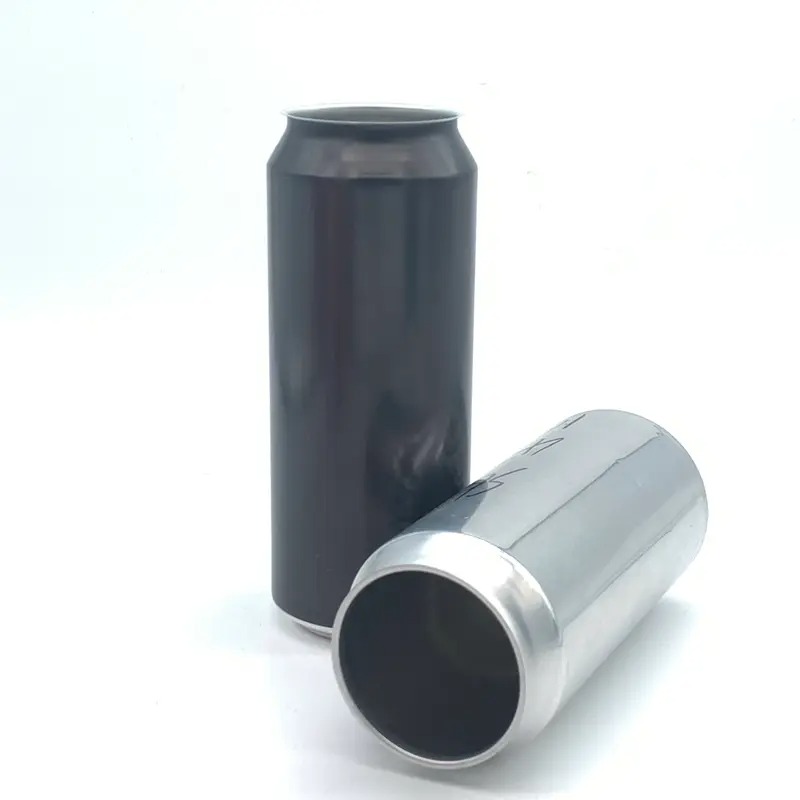
Silver aluminum cans in large formats are primarily manufactured from high-purity Aluminum, designed to maintain strength while minimizing material use. The Silver Aluminum appearance is not a coating but the natural finish of the metal, which plays a direct role in recyclability by avoiding additional pigments or complex surface treatments. Large formats such as the 473ml standard can are increasingly common due to consumer demand for higher-volume servings and reduced packaging frequency.
From a recycling perspective, size alone does not reduce recyclability. Aluminum retains its core material properties regardless of format, meaning a 473ml can is just as recyclable as smaller alternatives. What matters is material consistency, contamination levels, and compatibility with existing collection and sorting infrastructure. Large-format cans often perform well in sorting facilities because their size improves detectability during automated separation processes, increasing recovery rates.
Additionally, silver aluminum cans are widely accepted across recycling programs because aluminum can be recycled repeatedly without degradation. This infinite recyclability makes large formats particularly attractive for sustainability-driven packaging strategies.
Why the 473ml standard can Plays a Key Role in Recycling Systems
The 473ml standard can occupies a strategic position within global recycling ecosystems. Its dimensions are standardized, allowing material recovery facilities to optimize sorting parameters with minimal adjustments. Unlike irregular or composite packaging, the 473ml standard can integrates seamlessly into existing aluminum recycling streams.
From an operational standpoint, large aluminum cans improve sorting efficiency. Optical scanners, eddy current separators, and density-based systems detect and isolate aluminum more effectively when items meet consistent size and weight thresholds. The 473ml format often exceeds minimum detection limits, reducing the likelihood of loss during processing.
The table below highlights how the 473ml standard can compares to other formats in recycling performance:
| Can Format | Material Purity | Sorting Efficiency | Recycling Yield |
| 330ml Aluminum Can | High | Medium | High |
| 355ml Aluminum Can | High | Medium | High |
| 473ml standard can | High | High | Very High |
| Composite Containers | Low | Low | Low |
This data illustrates why large silver aluminum cans are not only recyclable but often more efficiently recycled. For premium beverage producers and sustainability-focused industries, the 473ml standard can represents a balance between consumer appeal and recycling optimization.
How Recycling Processes Handle Large-Format Silver Aluminum Cans
Recycling silver aluminum cans in large formats follows a well-established industrial pathway. After collection, cans are transported to material recovery facilities where they undergo mechanical sorting. The Silver Aluminum composition allows for rapid separation using eddy current technology, which repels non-ferrous metals like aluminum from mixed waste streams.
Once separated, large-format cans such as the 473ml standard can are compacted and sent to smelting facilities. During smelting, coatings and residues are removed, and the aluminum is melted at relatively low energy cost compared to primary aluminum production. Importantly, the larger mass of a 473ml can contributes to higher material recovery per unit, improving overall recycling efficiency.
Another advantage of large cans is reduced surface-to-volume ratio. This characteristic often results in less contamination per gram of aluminum, especially when compared to smaller containers with higher relative exposure to residues. As a result, recycling yields remain consistently high.
In closed-loop systems, recycled aluminum from large cans can be remanufactured into new Aluminum cans, including the same 473ml standard can, reinforcing circular economy principles without loss of quality.
Environmental Advantages of Recycling the 473ml standard can
The environmental benefits of recycling aluminum are well documented, but large-format cans amplify these advantages. Recycling a 473ml standard can saves up to 95% of the energy required to produce aluminum from raw materials. When scaled across millions of units, this energy reduction translates into substantial carbon emission savings.
Large cans also contribute to material efficiency. Fewer units are required to deliver the same beverage volume compared to smaller cans, reducing overall packaging counts. This efficiency lowers transportation emissions and minimizes waste generation. For premium beverage categories, the 473ml standard can offers both environmental credibility and functional appeal.
Additionally, aluminum’s infinite recyclability ensures that silver aluminum cans do not contribute to long-term waste accumulation when properly collected. The high scrap value of Aluminum further incentivizes recycling, leading to higher recovery rates than many alternative materials.
By supporting closed-loop recycling systems, large silver aluminum cans help stabilize raw material supply chains and reduce dependency on mining, aligning packaging decisions with broader sustainability goals.
Challenges and Misconceptions About Large Aluminum Can Recycling
Despite strong recyclability performance, misconceptions persist around large-format silver aluminum cans. One common assumption is that larger cans are harder to recycle due to their size. In reality, facilities are designed to handle a wide range of aluminum formats, and the 473ml standard can often improves detection and separation accuracy.
Another challenge lies in consumer behavior rather than material limitations. Improper disposal, contamination with non-recyclable components, or placement in incorrect waste streams can hinder recycling outcomes. However, these issues are not unique to large formats and can be mitigated through clear labeling and education.
Some stakeholders also question whether Silver Aluminum finishes affect recyclability. Since the silver appearance reflects the natural aluminum surface, it does not interfere with recycling processes. In fact, avoiding colored coatings can simplify remelting and reduce slag formation.
Addressing these misconceptions is essential to maximizing the environmental potential of the 473ml standard can and reinforcing confidence in aluminum as a sustainable packaging material.
Design, Material Purity, and Their Impact on Recyclability
Design choices play a crucial role in determining how effectively silver aluminum cans are recycled. The 473ml standard can benefits from high material purity, minimal additives, and uniform wall thickness, all of which support efficient remelting and reuse.
Modern can designs prioritize lightweighting without compromising structural integrity. This approach reduces material input while maintaining compatibility with recycling systems. For premium packaging applications, design consistency ensures that large cans remain easily identifiable and recyclable across regions.
Material purity is especially important in closed-loop recycling. High-quality Aluminum alloys used in 473ml cans can be repeatedly recycled into new cans rather than downgraded into secondary products. This preserves value within the aluminum supply chain and strengthens sustainability credentials.
By aligning design, material selection, and recycling compatibility, large silver aluminum cans demonstrate how packaging innovation can directly support circular economy objectives.
Conclusion
Silver aluminum cans in large formats are not only recyclable but exceptionally well suited to modern recycling infrastructures. The 473ml standard can exemplifies how standardized design, high-purity Aluminum, and efficient sorting compatibility converge to deliver strong environmental performance. From energy savings to closed-loop material reuse, large silver aluminum cans offer tangible sustainability advantages without sacrificing functionality or consumer appeal. When properly collected and processed, they remain one of the most effective recyclable packaging solutions available today.
FAQ
Q1: Are silver aluminum cans recyclable regardless of size?
Yes. Size does not limit recyclability. Large formats like the 473ml standard can are fully recyclable and often easier to sort.
Q2: Does the silver appearance affect recycling quality?
No. Silver Aluminum reflects the natural metal surface and does not interfere with recycling processes.
Q3: Is a 473ml can more sustainable than smaller cans?
In many cases, yes. The 473ml standard can reduces packaging counts and improves material efficiency for beverages.
Q4: Can recycled aluminum from large cans be used again for cans?
Yes. High-purity Aluminum from large cans can be recycled indefinitely into new cans without quality loss.
Q5: Why is aluminum preferred in premium beverage packaging?
Aluminum offers durability, recyclability, and a clean aesthetic, making the 473ml standard can ideal for premium applications.


