Contents
Introduction
What is the Standard Size of Cans?
Why 355ml is a Common Standard for Cans
The Role of Cans in the Beverage Industry
Materials Used for Standard Cans: Aluminum vs. Steel
The Evolution of Can Sizes
The 355ml Can in Global Markets
Future Trends in Can Sizes
Conclusion
FAQ
Introduction
When you reach for your favorite beverage, chances are, you’re grabbing a can. Cans have long been a go-to packaging choice in the beverage industry due to their versatility, convenience, and ability to preserve the contents. One of the most common can sizes seen around the world is the 355ml standard can. But what makes this size so popular, and why has it become the benchmark in the packaging of drinks? This article will delve into the factors that contribute to the 355ml standard can being a dominant choice in the beverage industry, exploring its significance, the materials used, and how it compares to other can sizes.
What is the Standard Size of Cans?
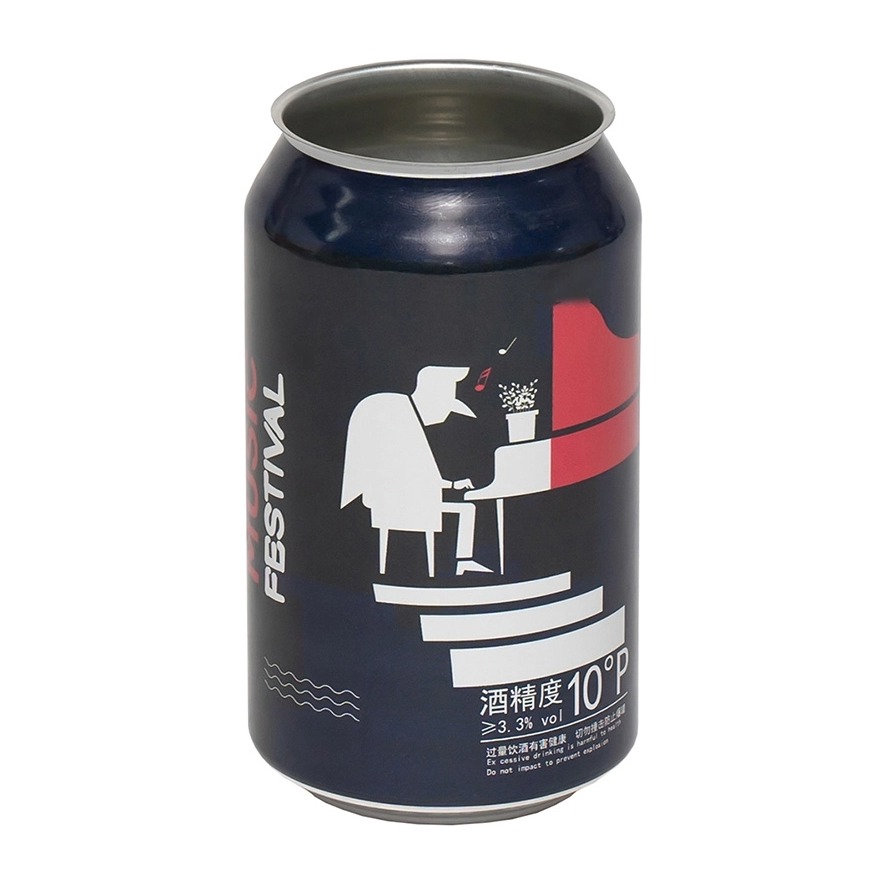
The concept of a "standard" can size can vary depending on region, product, and purpose. However, one size that remains ubiquitous across the globe is the 355ml standard can. This size is considered a benchmark in the beverage packaging industry, especially for soft drinks, energy drinks, and beers.
In this context, "standard" refers to the commonality and widespread adoption of the 355ml can for both local and international markets. It is the size you will find in the majority of vending machines, convenience stores, and supermarket shelves across many countries, especially in North America. While the capacity of a can is measured in milliliters (ml), the 355ml can is particularly favored due to its practicality—offering a balanced portion size that is ideal for quick refreshment or consumption on-the-go.
Beyond just the volume, the standard size of cans also incorporates their dimensions, with the most common being around 12 ounces (fl. oz.) in volume, which translates to approximately 355ml. This unit of measurement has been carefully selected to cater to the needs of both manufacturers and consumers, providing an ideal middle ground between smaller cans and larger formats.
Why 355ml is a Common Standard for Cans
The 355ml standard can is an established size in the beverage industry, and several factors contribute to its widespread use.
Practical Portion Size
The 355ml can offers the right balance for both manufacturers and consumers. It provides enough volume to quench thirst while not being excessive, making it ideal for those seeking a moderate serving size. For soft drinks, energy drinks, and certain beers, this volume hits the sweet spot: it's large enough to satisfy without overwhelming.
Efficiency in Production and Distribution
From a manufacturing standpoint, the 355ml standard can has become the gold standard due to the ease of production. Standardized dimensions and volumes make the production process more efficient, ensuring that beverage producers can streamline their operations and reduce costs. With widespread adoption, it's easier for suppliers to maintain consistency in product offerings across different regions.
Consumer Preferences
Consumers appreciate the convenience and portability that a 355ml standard can offers. It's the perfect size for single servings and can easily fit in most beverage holders, whether in cars, coolers, or hand luggage. Its size is also ideal for refrigeration, as it cools quickly and is easy to store.
The Role of Cans in the Beverage Industry
Cans play a significant role in the beverage industry, particularly for products like soft drinks, energy drinks, and beers. The choice of packaging material and size greatly impacts the consumer experience and the product's marketability.
The Benefits of Aluminum Cans
Aluminum is the most common material used in 355ml standard cans, and for good reason. Aluminum cans are lightweight, durable, and offer excellent protection against external elements like light and air, which helps preserve the taste and freshness of the beverage inside. Unlike plastic bottles, aluminum also provides a much higher level of protection against oxidation, which can affect flavor over time.
Additionally, aluminum is a highly recyclable material, which makes it a more sustainable option in the long run. The ability to recycle aluminum helps reduce the environmental footprint of packaging materials.
The Appeal of Silver Aluminum Cans
Many beverage companies prefer the classic silver aluminum can for its sleek, minimalist look. The metallic finish is not only visually appealing but also serves as a strong brand element, enhancing the product’s premium feel.
Materials Used for Standard Cans: Aluminum vs. Steel
The choice of material for 355ml standard cans can have a significant impact on the product's cost, durability, and overall appeal.
Aluminum Cans
Aluminum is the preferred choice for most beverage companies. As mentioned, it is lightweight, durable, and easy to recycle, making it a favorite material for 355ml cans. Additionally, aluminum has excellent barrier properties, protecting the beverage from external elements such as oxygen, light, and moisture, which can degrade the taste of the drink.
Steel Cans
While less common for beverages like soda or beer, steel cans are still used for specific products, particularly those requiring a thicker container for added protection. Steel cans tend to be heavier than aluminum but offer additional strength and resistance to physical damage. However, due to higher costs and the weight disadvantage, steel is less commonly used for 355ml cans in the beverage market.
The Evolution of Can Sizes
Over the years, the beverage industry has seen several shifts in packaging preferences. From the early days of glass bottles and wooden kegs, the industry moved toward more efficient and lighter options, such as aluminum cans.
The Rise of the 355ml Standard Can
The 355ml standard can became a staple in the beverage industry during the mid-20th century as aluminum technology improved. As the demand for canned beverages increased, so did the need for a standardized size that could meet global demand without compromising quality or convenience.
The 355ml Can in Global Markets
While the 355ml standard can is extremely common in North America, it is also widely used in many other parts of the world. However, it is important to note that some regions use different can sizes.
Variations in Europe and Asia
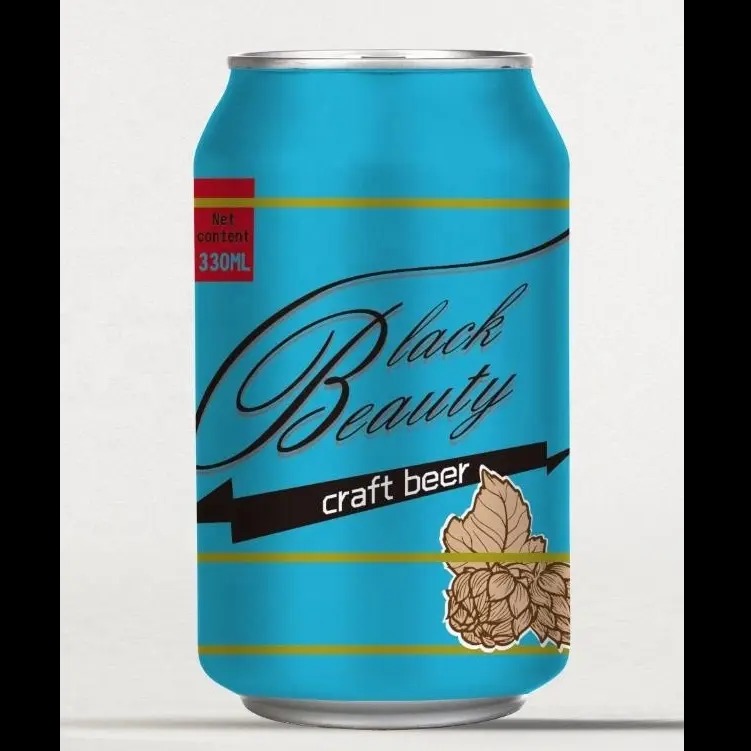
In some countries, particularly in Europe and parts of Asia, different can sizes are also popular. For example, in the United Kingdom, a 330ml can is more common. Despite these regional variations, the 355ml standard can remains dominant in global markets, especially for major international beverage brands.
Future Trends in Can Sizes
As consumer preferences evolve and sustainability becomes an increasingly important factor, the 355ml standard can is likely to continue being a key player in the beverage industry. With growing awareness about the environmental impact of packaging, companies are also exploring more sustainable alternatives, such as lighter aluminum cans and even biodegradable packaging.
Conclusion
The 355ml standard can is a true staple in the beverage industry. From soft drinks to energy drinks and beer, its popularity can be attributed to its perfect size for consumers and its efficiency for producers. Whether made of aluminum or steel, the materials used in creating these cans ensure the products remain fresh and secure. As the beverage industry continues to grow and adapt, the 355ml can will likely remain an essential packaging choice for years to come.
FAQ
Q: What is the most common can size for soft drinks?
A: The most common size for soft drinks is the 355ml standard can. It is widely used across many markets and offers a convenient and practical serving size.
Q: Why are most cans made from aluminum?
A: Aluminum cans are lightweight, durable, and have excellent barrier properties, which help preserve the beverage inside. Additionally, aluminum is highly recyclable, making it an eco-friendly option.
Q: Are there different can sizes in other countries?
A: Yes, while the 355ml standard can is common in North America, other countries may use different sizes, such as the 330ml can in the United Kingdom or 500ml cans in certain Asian markets.
Q: Can I recycle a 355ml aluminum can?
A: Yes, 355ml aluminum cans are highly recyclable. Recycling aluminum helps reduce the environmental impact of beverage packaging.


