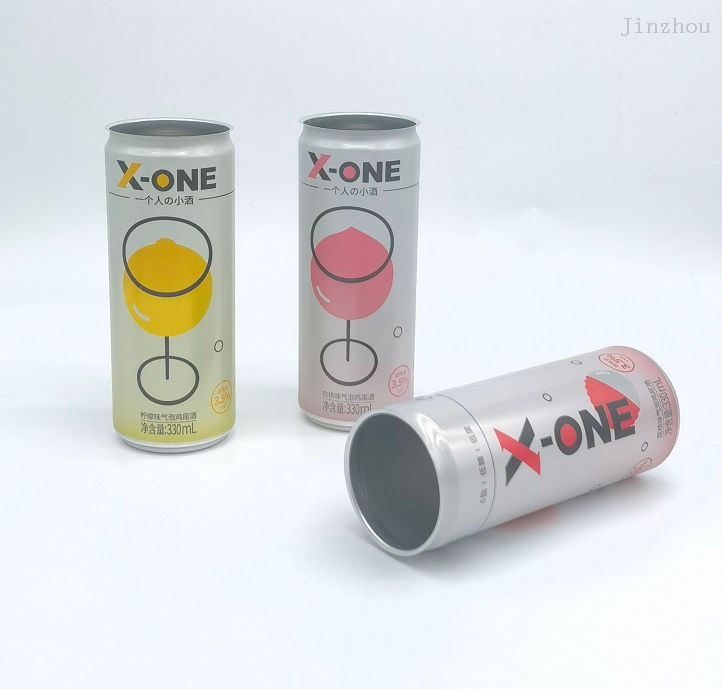
In today's competitive beverage market, customization is key to capturing consumer attention and fostering brand loyalty. From unique designs and sustainable materials to innovative packaging solutions, brands have numerous options to make their canned beverages stand out. This article explores various strategies for customizing your canned beverage packaging, highlighting the importance of branding, shelf appeal, and eco-friendly practices to create a memorable consumer experience.
The Power of Branding and Custom Design
Why Branding Matters for Canned Beverages
Branding goes beyond logos and names; it shapes how customers see your beverage. It tells your story, values, and quality in a glance. When a brand connects emotionally, it builds trust and loyalty. In a crowded market, strong branding helps your cans stand out on shelves and in consumers’ minds. People often choose brands they recognize and feel good about.
Creating a Unique Brand Identity
Your brand identity is your product’s personality. It includes colors, fonts, logos, and messaging. To create one that sticks, focus on what makes your beverage special. Is it natural ingredients, bold flavors, or a fun vibe? Use these traits consistently across packaging and marketing. A unique identity helps customers quickly spot your product and remember it later. Consistency builds familiarity, which leads to repeat purchases.
Enhancing Shelf Appeal with Custom Designs
Custom designs grab attention and invite consumers to pick up your can. Use vibrant colors, creative illustrations, or textures to make your product pop. Consider finishes like matte, gloss, or metallic for a premium look. Designs that tell a story or show lifestyle images connect on a personal level. Also, think about how your cans look together in multi-packs or displays. Cohesive design across your line strengthens brand presence.
Visual appeal isn’t just about beauty; it influences buying decisions. Research shows shoppers decide within seconds, so your design must communicate quality and uniqueness fast. Brands that invest in custom artwork and packaging often see higher sales and better shelf visibility.
Use consistent colors and fonts across all packaging to build strong brand recognition and make your canned beverages instantly identifiable on shelves.
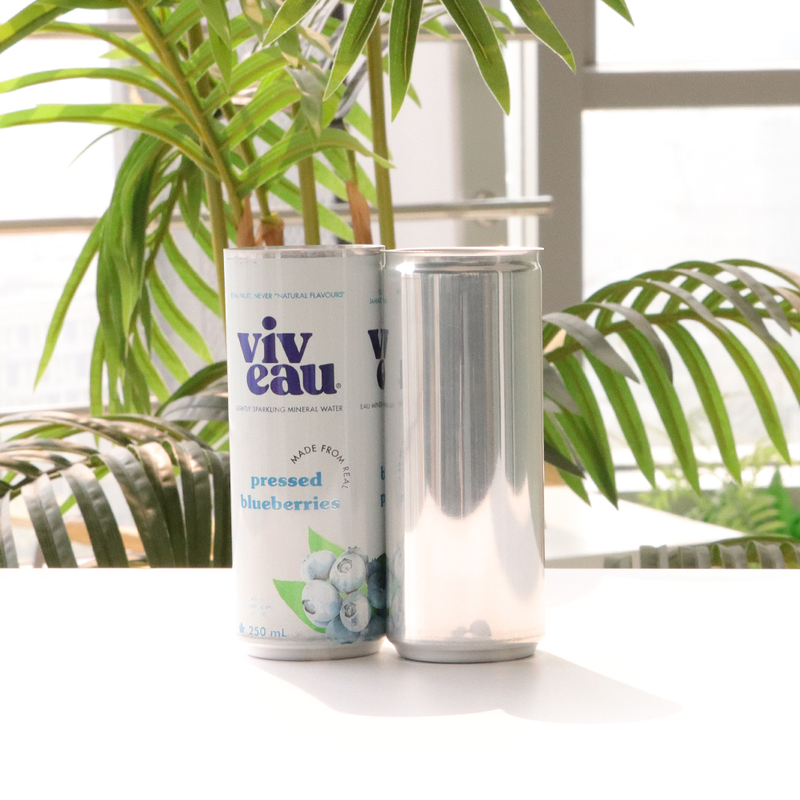
Exploring Label Substrate Options
Direct-to-Can Printing: Pros and Cons
Direct-to-can printing means applying your design straight onto the metal can. This method creates a sleek, modern look since there’s no label peeling or bubbling. It also reduces material waste by skipping extra labeling materials. For high-volume runs, it can be cost-effective and consistent.
However, it’s not ideal for smaller brands or short runs. The minimum order quantity is usually very high—often around 200,000 cans. Lead times can stretch beyond 10 weeks, making it tough to react quickly to market trends. Also, colors tend to be muted because the can’s metal surface affects ink vibrancy. This may reduce shelf impact compared to other label types.
Shrink Sleeves for Seasonal Flavors
Shrink sleeves wrap your cans completely, offering a 360-degree canvas for vibrant, eye-catching designs. They’re perfect for seasonal flavors or limited editions where shorter runs and quick changes matter. Shrink sleeves resist wear, moisture, and temperature changes, keeping your design intact.
You can order smaller batches—usually a few thousand—with lead times around 4 to 8 weeks. Plus, you get unlimited color options, including matte, gloss, metallic, and neon finishes. This flexibility helps your product stand out on shelves and connect with consumers through bold visuals.
Traditional Labels: Versatility and Appeal
Traditional labels stick to cans and come in various materials like paper or film. They offer endless customization options—textures, gloss levels, foils, and finishes—to create unique looks. Labels let you mix and match styles and apply them manually or with automated machines.
Automated labeling speeds up production and ensures consistent placement, especially helpful for growing brands. Labels also allow for quick design changes without large minimum orders. While labels may peel or wear over time, proper application and quality materials minimize these issues.
Choose label substrates based on your production volume, design needs, and budget—shrink sleeves offer vibrant short-run flexibility, direct-to-can suits high-volume consistency, and traditional labels provide versatile, cost-effective options.
Customizing Your Canned Beverage Carrier
Material Options for 4-Pack and 6-Pack Carriers
Your beverage carrier is more than just a holder; it’s part of your brand’s story. Choosing the right material for 4-pack or 6-pack carriers impacts durability, look, feel, and sustainability. Common options include plastic rings, paperboard holders, and plant-based carriers. Each offers unique benefits and customization possibilities.
Plastic rings, especially for 4- and 6-packs, are lightweight and protect cans during transport. Paperboard carriers provide a larger surface area for branding and messaging. Plant-based carriers appeal to eco-conscious consumers, signaling your commitment to sustainability.
Plastic Carriers: LDPE vs. HDPE
Plastic carriers come mainly in two types: Low-Density Polyethylene (LDPE) and High-Density Polyethylene (HDPE).
● LDPE Plastic RingsThese are flexible, commonly clear or milky white. Ideal for startups or budget-conscious brands, LDPE rings are simple and reliable. They usually aren’t reusable but can be biodegradable, supporting eco-friendly goals. LDPE carriers fit standard can sizes and pack counts, making them a practical choice for many.
● HDPE Plastic CarriersHDPE is stronger and more rigid, offering sturdier support. These carriers come in various colors and can include custom text or icons. This flexibility helps brands stand out and reinforce identity. Some HDPE carriers use less plastic than competitors and can be biodegradable, balancing durability and sustainability. They suit brands wanting more premium packaging without sacrificing eco-friendliness.
Eco-Friendly Alternatives: Paper and Plant-Based Options
With growing consumer demand for sustainable packaging, paper and plant-based carriers are gaining traction.
● Paper/Paperboard CarriersThese carriers offer a large canvas for vibrant printing and branding. They’re lightweight and recyclable but less durable than plastic. Moisture can weaken paper carriers, so many include a plastic coating for protection, though this complicates recycling. Use paper carriers if your brand prioritizes visual impact and recyclability in dry environments.
● Plant-Based CarriersMade from compostable fibers, these carriers appeal to eco-conscious buyers. They biodegrade naturally and reduce plastic waste. However, they cost more and aren’t as water-resistant or durable as plastic. Some plant-based carriers allow color and icon customization, helping brands align packaging with environmental values.
Choosing the right carrier material means balancing brand identity, budget, durability, and sustainability. Whether flexible LDPE rings, sturdy HDPE carriers, or eco-friendly paper and plant-based options, your choice shapes how consumers experience and remember your beverage.
Match your carrier material to your brand’s sustainability goals and target market preferences to create packaging that resonates and performs well.
Enhancing Packaging with Automation
Manual vs. Semi-Automatic vs. Fully Automatic Packaging
When customizing your canned beverage packaging, choosing the right automation level is key. Manual packaging means doing everything by hand. It suits small batches or startups testing new products. It gives flexibility for quick changes but can be slow and labor-intensive.
Semi-automatic packaging blends human effort with machine help. For example, a machine might apply labels while operators handle packing. This boosts speed and consistency without the full cost of automation. It’s ideal for growing brands needing more output but still wanting control.
Fully automatic packaging uses machines for nearly every step—labeling, packing, sealing. It’s perfect for large-scale production where speed, precision, and efficiency matter most. This option reduces labor costs and errors but requires a bigger upfront investment and setup time.
Benefits of Automation in Custom Beverage Can Packaging
Automation brings many advantages. It speeds up production, letting you meet demand faster. Machines apply labels or carriers uniformly, enhancing package quality and brand image. Automation also cuts human error, reducing waste and rework.
For brands scaling up, automation supports consistent output and lowers labor costs. It can handle complex customizations like multi-pack assembly or special label placements automatically. Plus, automated lines often integrate quality control checks, ensuring every package looks perfect.
Automation improves workplace safety by reducing repetitive manual tasks. It also frees staff to focus on innovation and marketing rather than packing.
Choosing the Right Level of Automation for Your Business
Deciding which automation fits depends on your production volume, budget, and growth plans. Startups or limited-run products often begin manual to keep costs low and stay flexible.
If you’re growing and need faster, more consistent packaging, semi-automatic systems offer a good balance. They allow some automation benefits while keeping investment manageable.
Large brands or those with high-volume runs benefit most from fully automatic lines. These systems maximize efficiency, reduce labor, and ensure uniform quality at scale.
Consider your product variety too. If you have many SKUs or seasonal runs, flexible semi-automatic systems can adapt quickly. For stable, high-volume products, full automation delivers the best return on investment.
Evaluate your production needs and growth goals carefully before investing in automation; start small with manual or semi-automatic options, then scale to full automation as demand and resources grow.
The Role of Sustainability in Custom Beverage Can Packaging
Consumer Demand for Eco-Friendly Packaging
Consumers today expect brands to act responsibly toward the environment. Studies show a growing number prefer eco-friendly packaging when choosing beverages. Many are willing to pay more for products that use recyclable, biodegradable, or compostable materials. This shift pushes beverage brands to rethink packaging choices to stay relevant and competitive.
Sustainability isn’t just a trend; it’s a core value for many shoppers, especially younger generations. They look for clear signals that a brand cares about reducing waste and environmental impact. Packaging that uses less plastic or plant-based materials can boost brand loyalty and attract new customers. Ignoring these demands risks losing market share to more eco-conscious competitors.
Integrating Sustainable Materials and Practices
Brands can integrate sustainability into beverage can packaging in several ways:
● Recycled Aluminum Cans: Using cans made from recycled aluminum reduces energy consumption and lowers carbon footprint compared to virgin materials. Aluminum is highly recyclable, making it an ideal choice for sustainable beverage packaging.
● Biodegradable or Compostable Carriers: Switching from traditional plastic rings to biodegradable plant-based carriers helps reduce plastic pollution. These carriers break down naturally after disposal, lessening environmental harm.
● Eco-Friendly Labels: Labels made from recycled paper or biodegradable films further reduce waste. Some use soy-based inks or water-based adhesives that are less harmful to the environment.
● Minimalist Packaging Design: Reducing packaging layers or eliminating unnecessary materials cuts waste and lowers costs. Simple, efficient designs also appeal to eco-conscious consumers.
Manufacturers may also adopt sustainable practices like sourcing materials responsibly, optimizing supply chains to reduce emissions, and encouraging recycling through clear labeling.
Balancing Cost, Durability, and Environmental Impact
Sustainability comes with challenges. Eco-friendly materials often cost more than conventional options. Some biodegradable carriers may not be as durable or moisture-resistant, risking damage during transport or storage. Brands must balance these factors carefully.
Durability ensures products reach consumers intact and maintain a premium feel. Packaging that fails in this regard can harm brand reputation and increase waste from damaged goods. On the other hand, focusing solely on durability might mean using more plastic or non-recyclable materials, which conflicts with sustainability goals.
Brands should evaluate their priorities and target markets. For example, premium or organic beverage brands might justify higher packaging costs due to consumer willingness to pay for sustainability. Mass-market brands may seek cost-effective recycled materials that still meet durability needs.
Innovations in materials science continue to improve eco-friendly options, making them stronger, more affordable, and easier to recycle. Collaborating with packaging suppliers can help brands find the best sustainable solutions tailored to their products.
Prioritize packaging materials that align with your brand’s sustainability goals while ensuring durability to protect product quality and reduce waste.

Functional and Aesthetic Considerations
Designing for Consumer Convenience
Packaging should make life easier for consumers. Easy-to-open cans or carriers encourage repeat purchases. Features like pull tabs that don’t tear or resealable lids improve user experience. Lightweight carriers that fit comfortably in hands or bags add value. Consider how your packaging feels during transport and use. Convenience also means clear product information—nutrition, ingredients, or flavor—displayed where consumers expect it. Simple, intuitive design reduces frustration and builds loyalty.
Using Visual and Tactile Elements to Enhance Perception
Packaging appeals to more than just sight. Tactile elements like embossing, raised inks, or textured labels create memorable experiences. Matte finishes feel smooth and modern, while gloss adds shine and vibrancy. Metallic foils or spot UV coatings catch light and draw attention. These details convey quality and premium feel. Visual cues like color psychology influence mood and buying decisions. For example, green signals natural or organic, while red suggests energy or boldness. Combining visual and tactile design creates a multi-sensory connection that strengthens brand recall.
Balancing Aesthetic Appeal with Practicality
While eye-catching design is vital, it must not sacrifice functionality. Packaging that looks great but is hard to open or damages easily frustrates consumers. Durability matters, especially for multi-packs or shipping. Materials should protect cans from dents or moisture while supporting your design vision. Also, consider cost-effectiveness; premium finishes may increase expenses, so align choices with your budget and target market. Striking the right balance means your packaging looks good, performs well, and fits your brand’s promise.
Prioritize packaging designs that combine easy usability with engaging visual and tactile features to create a lasting, positive consumer impression.
Conclusion
Customizing canned beverage packaging involves strategic branding, unique designs, and eco-friendly materials. Effective packaging enhances shelf appeal and consumer connection. Shandong Jinzhou Health Industry Co.,Ltd. offers innovative solutions for brands seeking to stand out. Their products emphasize sustainability and quality, providing value to both businesses and consumers. Implementing these packaging solutions can strengthen brand presence and meet market demands efficiently.
FAQ
Q: What is a Custom Beverage Can?
A: A Custom Beverage Can is a can designed with unique branding elements like colors, logos, and messaging to reflect a brand's identity and appeal to consumers.
Q: How can I enhance the shelf appeal of my Custom Beverage Can?
A: Enhance shelf appeal with vibrant colors, creative illustrations, and finishes like matte or gloss on your Custom Beverage Can to attract consumer attention.
Q: Why should I invest in Custom Beverage Can designs?
A: Investing in Custom Beverage Can designs helps your brand stand out, builds consumer trust, and can lead to increased sales and brand loyalty.