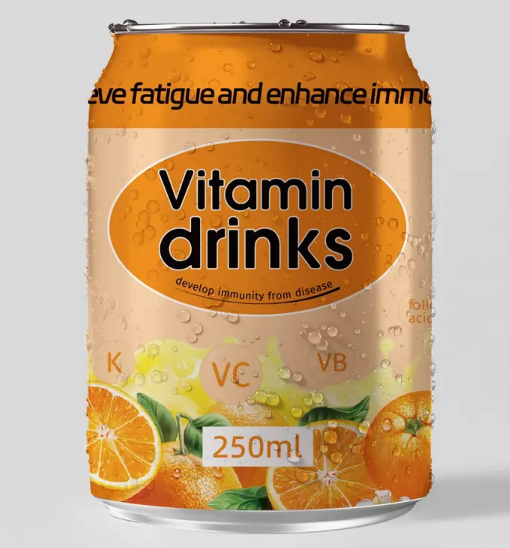
Printed Aluminum Cans look striking on shelves, yet many suffer flaking, peeling, or chipping. These flaws harm brand image, reduce consumer confidence, and increase operational waste. In this article, you will learn the key causes of these issues and discover practical solutions to ensure lasting, high-quality prints.
Understanding the Core Causes of Flaking and Peeling
Residual Oils and Surface Contamination
During manufacturing, lubricants and necking waxes are applied to shape cans. These substances often remain on the neck, shoulder, and chime, creating barriers that prevent inks from adhering properly. Over time, these residues compromise print durability under transport, refrigeration, and handling. Even small amounts of oil can reduce adhesion strength, making the can surface prone to flaking and peeling.
Brands should inspect high-risk areas for residual oils before printing. Cleaning methods such as solvent wipes or plasma treatments remove these contaminants effectively. Digital printers that ignore this step risk producing cans with recurring adhesion issues.
Inadequate Surface Treatment
Surface preparation is a critical step in preventing adhesion failures. Techniques such as flame, plasma, or chemical pretreatment increase surface energy and improve ink bonding. Untreated surfaces are prone to adhesion issues, as the ink cannot penetrate the aluminum substrate effectively.
Verification methods, including surface energy testing and tape-pull tests, confirm whether the preparation was successful. Cans with insufficient surface treatment are more likely to flake, peel, or chip during storage or transport. Ensuring uniform treatment across all areas of the can mitigates weak points.
Ink Formulation and Compatibility
Not all inks perform equally on aluminum substrates. UV/LED-curable inks typically offer better adhesion, abrasion resistance, and moisture resistance than water-based inks. Using incompatible ink can result in early flaking, peeling, or chipping.
Primers or adhesion-promoting layers further strengthen the bond between the ink and the can. These layers are essential for digitally printed aluminum cans adhesion problems. Brands must verify that the selected ink system is compatible with both the primer and the aluminum substrate to achieve maximum durability.
Curing and Drying Process
Proper curing is crucial for ink-substrate adhesion. Under-cured inks create weak bonds, increasing the likelihood of print failure. Different inks require specific curing parameters, including exposure time, intensity, and can surface temperature.
Optimizing curing ensures that the print layer withstands mechanical stress, thermal changes, and moisture exposure. It also prevents premature peeling and flaking. Monitoring curing effectiveness during production allows manufacturers to maintain consistent quality.
Mechanical and Environmental Stress Factors
Handling and Transportation Challenges
Digital prints experience stress from stacking, shipping vibrations, and consumer handling. Areas with weak adhesion are the first to show flaking or chipping. Even minor mechanical shocks can compromise print quality if previous preparation or curing steps were insufficient.
Brands should simulate real-world handling conditions to identify potential weak spots. Packaging engineers can adjust print placement or layer thickness to minimize exposure to high-stress regions.
Thermal and Moisture Variations
Temperature fluctuations and humidity impact adhesion. Chilling, freezing, or pasteurization cycles can weaken ink bonds. Moisture condensation also accelerates peeling in areas with inadequate ink curing.
Durable printed aluminum cans require inks and primers designed to resist thermal and moisture stress. Monitoring environmental conditions during storage and distribution helps prevent failures before they reach consumers.
Can Geometry and Deformation
The physical design of a can influences stress distribution. Necked areas, seams, and curved panels concentrate mechanical strain. Thick ink layers are particularly vulnerable to cracking or chipping during deformation.
Designing prints with uniform stress distribution and controlling ink thickness reduces the risk of flaking. Strategic placement of graphics avoids high-stress regions, preserving visual quality throughout the product lifecycle.

Surface Preparation Best Practices for Printed Aluminum Cans
Cleaning Protocols
Thorough removal of oils, waxes, and residues is essential. Methods like solvent wiping, plasma treatment, and flame treatment ensure the aluminum surface is ready for printing. Clean surfaces allow inks to adhere properly and reduce the risk of peeling.
Primer and Adhesion Layer Application
Applying a clear primer or adhesion layer strengthens the ink-substrate bond. Compatibility between primer, ink, and aluminum is vital for durability. Primed surfaces show improved resistance to mechanical, thermal, and moisture stress.
Step | Method | Purpose | Verification |
Cleaning | Solvent wipe / plasma / flame | Remove oils and wax | Visual check / surface energy test |
Primer | Clear bonding layer | Improve adhesion | Tape-pull / adhesion test |
Validation | Test on sample cans | Confirm readiness | Record results and approve batch |
Optimizing Ink and Curing Processes
Selecting Durable Ink Systems
Choosing the right ink system is critical for achieving long-lasting adhesion on printed aluminum cans. UV/LED-curable inks are particularly effective, offering superior resistance to abrasion, moisture, light exposure, and thermal stress. In contrast, water-based inks often fail on metal surfaces due to poor bonding and low durability, leading to flaking, peeling, or chipping over time. Brands should prioritize inks specifically formulated for beverage cans to ensure consistent performance under mechanical, environmental, and handling stresses.
Ensuring Full Cure
Proper curing is essential to develop a strong bond between the ink and the aluminum substrate. Incomplete curing leaves weak points that are highly susceptible to flaking or peeling during storage, transport, or refrigeration. Parameters such as exposure time, light intensity, and ink thickness must be adjusted according to can geometry, production speed, and specific ink chemistry. Validation processes like test strips or spectroscopic analysis can confirm a complete cure, ensuring that prints remain durable from the production line to the consumer.
Layer Thickness and Print Design Considerations
Layer thickness and graphic layout directly impact the mechanical resilience of printed aluminum cans. Overly thick ink layers, particularly in high-stress areas such as seams, shoulders, or curved panels, are prone to cracking or chipping under deformation. Designers should distribute ink evenly, minimizing stress concentration while maintaining vibrant graphics. Strategic placement of heavy designs away from mechanically sensitive regions further reduces the risk of flaking, ensuring that printed cans maintain both visual appeal and structural integrity throughout their lifecycle.
Annotation: The combination of durable inks, optimized curing, and smart design ensures that digitally printed aluminum cans maintain adhesion under mechanical, environmental, and handling stresses, preserving brand aesthetics.
Supplier and Production Considerations
Evaluating Digital Can Printing Partners
Selecting the right digital can printing supplier is a decisive factor in ensuring long-term adhesion. Brands should work with partners who demonstrate proven process controls, including consistent surface preparation, primer application, and ink curing methods. Suppliers should provide reproducible results across multiple production runs, validated by documented adhesion tests and historical performance records. Choosing a supplier with technical expertise helps prevent costly flaking, peeling, or chipping, while maintaining premium appearance and operational efficiency.
Testing and Quality Assurance Protocols
Comprehensive testing and quality assurance are key to verifying adhesion durability. Real-world stress simulations, including mechanical handling, thermal cycles, humidity exposure, and stacking pressure, reveal potential weak points in printed cans. Continuous monitoring and documentation ensure that production remains within defined quality standards. Incorporating routine adhesion checks, scratch tests, and tape-pull tests can prevent defective batches from reaching the market, safeguarding brand reputation and reducing waste.
Volume and Run-Length Planning
Digital printing flexibility must be aligned with production scale and run-length considerations. Short-run, variable designs benefit from digital processes by enabling rapid customization and design changes. However, high-volume production demands strict process optimization to maintain adhesion quality. Brands should assess production volume, can geometry, and ink system capabilities when planning runs. Balancing design flexibility with durability and operational efficiency ensures that digitally printed cans meet both aesthetic and functional requirements.
Mitigating Adhesion Failures in Practice
Conducting Pilot Runs
Pilot production runs are essential for verifying adhesion performance under real-world conditions. These trials allow brands and manufacturers to evaluate surface preparation methods, primer selection, ink systems, and curing parameters. Observations from pilot tests enable adjustments to production protocols, ensuring that full-scale runs meet durability expectations. Incorporating pilot data into production planning reduces the likelihood of large-scale failures, protecting brand integrity and minimizing operational disruption.
Implementing Preventative Quality Checks
Proactive quality checks are critical for early detection of adhesion weaknesses. Routine tape-pull tests, scratch assessments, and stacking simulations identify potential flaking or peeling before full-scale production. Early intervention allows for corrective measures such as adjusting ink layers, curing parameters, or primer application, preventing costly defects and maintaining consistent product quality. Regular monitoring helps maintain customer trust and avoids operational downtime caused by defective cans.
Handling and Storage Protocols
Proper handling and storage significantly influence the longevity of digitally printed cans. Guidelines for stacking, cooling, and transport minimize mechanical stress that can weaken adhesion. Environmental controls, including temperature and humidity management, prevent premature ink degradation or peeling. Ensuring consistent conditions from production to retail helps maintain print integrity, extending shelf life and enhancing the consumer experience.
Long-Term Brand and Operational Benefits
Maintaining Visual Consistency
Durable prints enhance brand perception by ensuring consistent graphics from production to consumption. Properly adhered ink withstands mechanical stress, refrigeration, and shipping vibrations, keeping visuals intact. This consistency reinforces shelf appeal, consumer confidence, and premium brand positioning. Companies that prioritize adhesion and curing quality create a lasting impression while avoiding customer complaints related to damaged packaging.
Reducing Operational Waste
Strong adhesion reduces rework and rejected cans, minimizing operational waste and costs. Consistent process controls prevent flaking, peeling, or chipping during filling, packaging, and transport. Efficient quality management not only safeguards production schedules but also optimizes resource usage. By preventing defective cans from entering circulation, brands achieve higher operational efficiency and reduce environmental impact.
Sustainability and Recycling
Direct-to-can printing eliminates the need for labels or sleeves, enhancing recyclability and reducing material consumption. Combining this with durable prints ensures that packaging remains intact throughout the supply chain, aligning sustainability goals with operational reliability. Environmentally conscious production practices paired with long-lasting graphics strengthen brand credibility and support corporate social responsibility initiatives.
Conclusion
Flaking, peeling, and chipping result from poor surface prep, incompatible inks, and curing issues. Shandong Jinzhou Health Industry Co.,Ltd. ensures durable Printed Aluminum Cans through precise cleaning, primer application, and optimized curing. Their products deliver long-lasting adhesion, reduce waste, and maintain shelf appeal, providing reliable value for brands.
FAQ
Q: Why do some digitally printed cans flake or peel?
A: Flaking and peeling often result from poor surface preparation, incompatible inks, or insufficient curing. Printed Aluminum Cans require proper cleaning, primer, and optimized digital can printing ink curing and durability to prevent adhesion failures.
Q: What causes digitally printed aluminium cans adhesion problems?
A: Adhesion issues arise from residual oils, waxes, or uneven surfaces. Ensuring thorough surface preparation for digital printed beverage cans and using compatible inks can significantly reduce these problems.
Q: How can I prevent printed aluminum cans from flaking?
A: Proper surface cleaning, primer application, and full curing of digital can printing ink are key. Regular stress testing ensures long-term adhesion and durability of Printed Aluminum Cans.
Q: What role does ink type play in adhesion?
A: UV/LED-curable inks adhere better than water-based inks on Printed Aluminum Cans. Choosing durable ink systems improves scratch, moisture, and light resistance, preventing flaking or peeling.
Q: Can handling and storage affect printed aluminum cans?
A: Yes. Stacking, transport vibrations, and temperature changes can weaken adhesion. Controlled handling protocols maintain print integrity and reduce digitally printed aluminium cans adhesion problems.
Q: Are there advantages to using printed aluminum cans?
A: Printed Aluminum Cans allow full-wrap graphics, short runs, and variable designs. Proper adhesion ensures visual consistency, reduces operational waste, and enhances brand appeal.
Q: How do I test adhesion on digitally printed cans?
A: Conduct tape-pull, scratch, and stack tests on sample cans. These quality checks identify weak adhesion points early, preventing widespread flaking or peeling in Printed Aluminum Cans.
Q: Do production scale and design complexity affect adhesion?
A: Yes. High-volume runs or thick layered designs increase stress on inks. Aligning digital can printing ink curing and durability with production scale helps prevent Printed Aluminum Cans from flaking.