250ml Sleek Can and 202 Can End Compatibility Guide
Views: 0 Author: Site Editor Publish Time: 2026-11-09 Origin: Site
A 250ml sleek can may be specified for a 202 end, but the size designation alone does not confirm compatibility. Buyers must also check the can neck and flange, the end profile, seamer tooling, and the approved double-seam specification.
Jinzhou lists its 250ml sleek aluminum can with 202 end options. Before ordering cans and ends for a filling line, request the current drawings and validate the exact combination through a controlled seaming trial.
Table of Contents
Toggle
What Is the Common End Size for a 250ml Sleek Can?
For the Jinzhou product discussed here, the listed end size is 202. However, “250ml” identifies the nominal beverage capacity, while “sleek” describes the can format. Neither term independently defines the neck geometry or the correct end.
Item
What Buyers Should Confirm
Nominal capacity
250ml; distinguish nominal fill volume from overflow capacity.
Can format
Sleek; do not substitute a slim can based only on capacity.
Listed end size
202 for this product; confirm the exact end model and drawing revision.
Neck and flange
Use the approved can drawing, including dimensions and tolerances.
Production compatibility
Confirm tooling suitability and acceptable trial results on the intended line.
A 250ml slim can and a 250ml sleek can can have different body and neck designs. For a broader comparison, consult the beverage can sizes chart before narrowing the selection to a specific can-and-end pair.
What Does a 202 Can End Mean?
“202” is a nominal end-size designation. It is not a complete technical specification and should not be treated as the measured diameter of every feature on the lid.
The can body diameter, neck opening, end curl diameter, and drinking aperture describe different features. Comparing one of these measurements with another can lead to an incorrect purchasing decision.
A similar appearance or nominal size does not establish can-and-end compatibility.
Ends within the same nominal size family may use different profiles. Design references such as B64 or CDL provide additional information, but buyers still need the complete supplier drawing and the matching tooling requirements.
When reviewing aluminum can end options, record the full product designation rather than ordering simply “202 sleek can ends.”
SOT and RPT: Opening Style Is Different from Seam Compatibility
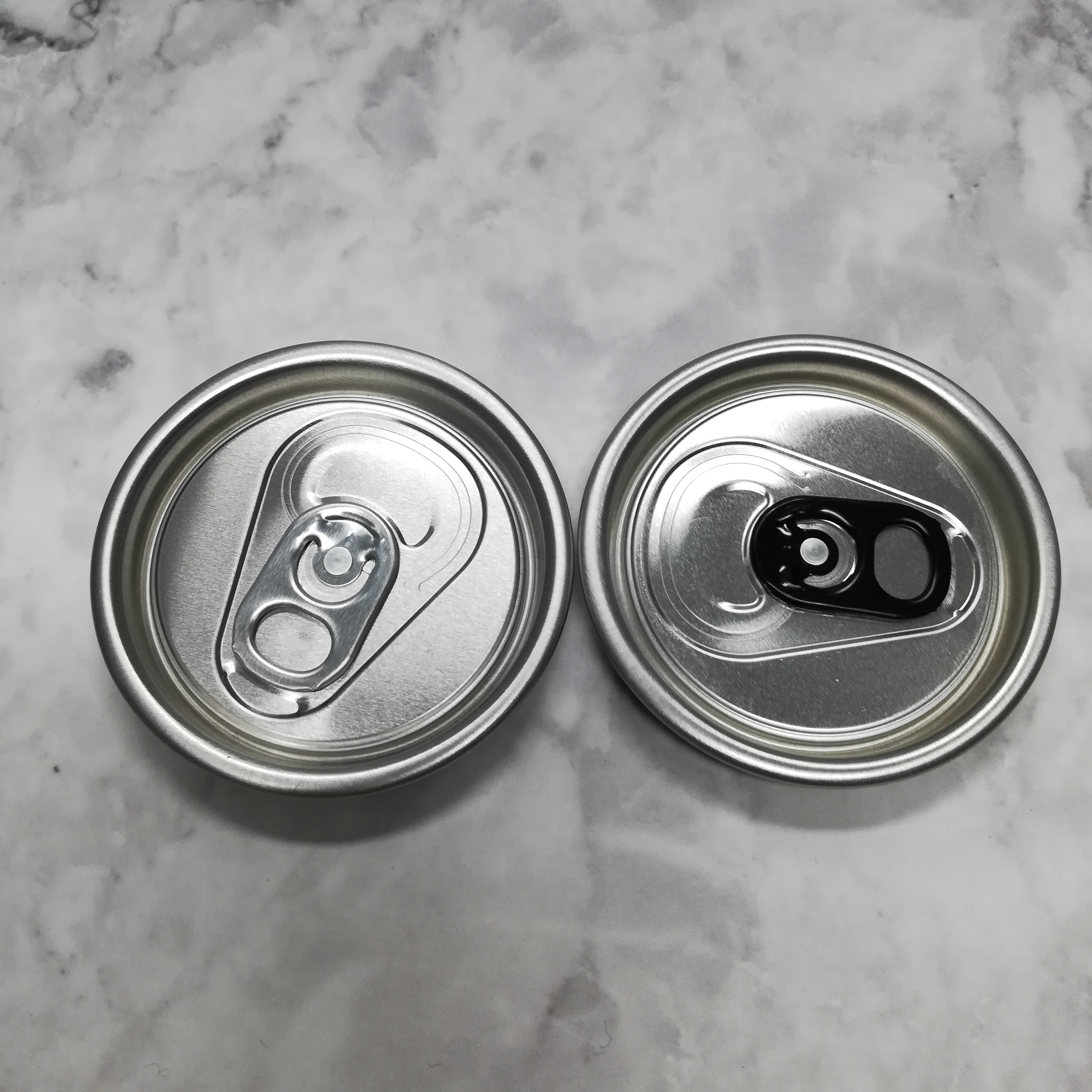
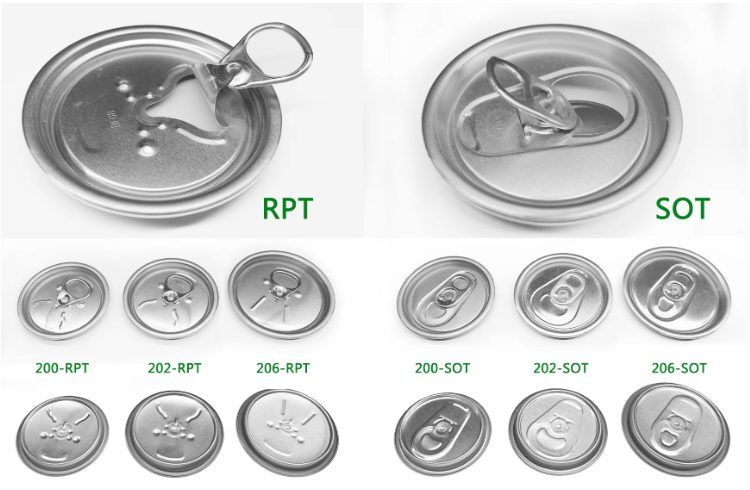
SOT means stay-on tab. In this opening system, the tab remains attached after opening. RPT is used for ring-pull tab designs; request a sample or drawing to confirm the exact opening action and whether any part is removed.
Opening styles and nominal sizes should be checked separately from the approved seam design.
A SOT or RPT description explains how the consumer opens the package. It does not fully specify the end curl, countersink, sealing compound, or seaming chuck profile.
Jinzhou’s 202 RPT and SOT can end listing can be used as a starting point for an inquiry. Ask which exact version is proposed for your 250ml can and filling process.
How to Check Can, End and Seamer Compatibility
Compare the Interface Drawings
The can flange and end curl must form the intended double seam. Request drawings that identify the relevant geometry, material specifications, and tolerances. A lid resting on the can opening is not evidence that it will form an acceptable production seam.
Confirm the Seamer Tooling
A double seam is formed using a chuck and first- and second-operation rolls. The first operation forms the interlock, and the second operation compresses the seam. The tooling must suit the proposed end profile and can combination.
Provide the seamer manufacturer, model, installed tooling references, and intended operating conditions to the relevant technical teams. A line already running another 202 end may still require a tooling review or setup change.
Use the Approved Seam Specification
Do not apply a generic acceptance table to every 250ml can and 202 end. Obtain the seam specification for the approved combination, including measurement methods and acceptance limits. Seam School’s guidance on double-seam specifications also emphasizes using the can maker’s specified values.
What Should Buyers Confirm Before Ordering?
Check
Information to Request
Can identification
Product code, capacity, format, drawing revision, neck and flange specifications.
End identification
202 size designation, exact profile, SOT or RPT design, and drawing revision.
Materials and protection
Relevant metal specifications, internal coating, sealing compound, and suitability for the beverage and process.
Line requirements
Seamer model, chuck and roll references, end feeding, and can handling requirements.
Batch identification, packaging, storage instructions, and notification of specification changes.
For a 250ml can lid inquiry, also describe carbonation, filling temperature, and any thermal processing. These conditions help determine which specifications and validation checks are relevant. Do not assume that an end accepted for one beverage process is approved for another.
How to Validate Samples and Seal Performance
Review documents: Check the can drawing, end drawing, proposed tooling, and seam acceptance criteria before the trial.
Use representative samples: Identify the exact can and end versions supplied, including their batch references.
Run a controlled line trial: Have qualified personnel evaluate the combination on the intended equipment under agreed conditions.
Inspect the seams: Combine visual checks with the specified measurements and internal examination methods, such as teardown or cross-section inspection.
Check package performance: Conduct the agreed leak and process-related tests, then document the results and approval decision.
Relevant seam checks may include seam thickness and height, body hook, cover hook, overlap, and tightness. The required measurements and limits must come from the approved specification.
A seam can look acceptable externally while having an internal defect. Likewise, passing one leak test does not replace seam examination or establish performance throughout distribution and shelf life.
Record the approved combination and setup. Changes to the can, end, coating, compound, tooling, or processing conditions should trigger a technical review and any necessary revalidation.
Frequently Asked Questions
Q: Does every 250ml sleek can use a 202 end?
A: Do not assume so. Jinzhou lists a 202 end for the product discussed here, but each supplier’s can drawing and approved end specification must be checked.
Q: Can I replace a 202 SOT end with a 202 RPT end?
A: Only after confirming the exact end profile, tooling requirements, and acceptable trial results. The shared size designation does not establish interchangeability.
Q: Can a 250ml slim can use the same lid as a 250ml sleek can?
A: Not necessarily. Equal capacity does not mean equal neck geometry. Compare both drawings and the approved can-end combinations.
Q: Can I buy the cans and ends from different suppliers?
A: Yes, provided the technical requirements are aligned and the combination is validated. Assign clear responsibility for drawings, seam criteria, trial support, and change notifications.
Q: Is a successful leak test enough to approve the package?
A: No. Approval should also consider seam measurements, internal seam condition, and the relevant filling and processing requirements under an agreed validation plan.