Selecting the right can size is more than just a packaging decision—it's a key factor in your brand's success. The size of your beverage can affects everything from market positioning to consumer experience, making it a crucial choice for beverage manufacturers and distributors. In this post, we'll explore how the right can size can impact your branding, sales, and overall business strategy. You'll also learn why choosing the perfect beverage can size is vital for both new and established brands.

Common Beverage Can Sizes and Their Best Uses
Mini Cans (7.5 oz to 8.4 oz)
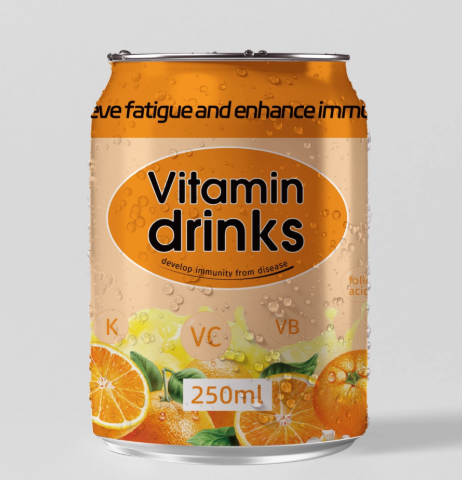
Mini cans, ranging from 7.5 oz to 8.4 oz, are ideal for soft drinks, energy drinks, children's beverages, and health-conscious products. Their small size offers portion control, convenience, and portability, making them a go-to choice for quick, on-the-go consumption. These cans appeal to those seeking smaller servings or people who want to control their calorie intake without sacrificing taste.
Health-conscious consumers, parents purchasing drinks for kids, and people who want a quick refreshment are the primary target audience for mini cans. These cans allow for more flexibility in portion sizes, which is attractive to many who are mindful of their consumption.
Standard Cans (12 oz)
The 12 oz can is the most popular and widely used size for sodas, beers, energy drinks, and even ready-to-drink cocktails. It's the go-to choice for many mainstream beverages due to its practicality and affordability. This size offers a balanced volume that suits most beverage types and provides a satisfying serving without being too large or too small.
Why is it so widely accepted? It's easy to store, stack, and ship, making it cost-effective for both retailers and producers. Plus, it's the size most consumers are accustomed to, making it a trusted and recognizable option for many brands.
Tallboy Cans (16 oz and Larger)
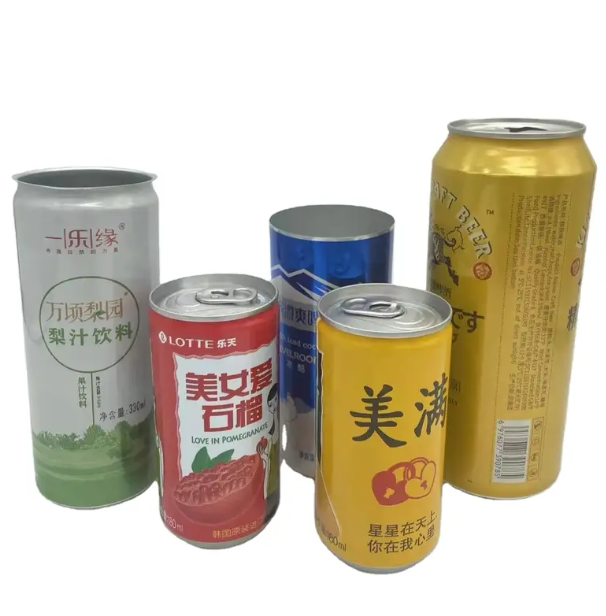
Tallboy cans, typically 16 oz and larger, are often chosen for craft beers, specialty sodas, and larger energy drinks. These cans appeal to customers looking for more value or a premium product experience. With their larger size, tallboy cans provide more space for branding, making them an excellent choice for products that want to stand out on the shelves.
These cans are perfect for creating a bolder statement, whether for craft breweries aiming to showcase unique flavors or for energy drinks targeting a larger, more substantial serving. Tallboy cans also give brands the flexibility to design creative labels with more intricate details.
Specialty Cans (Slim, Stovepipe, Crowler, Growler)
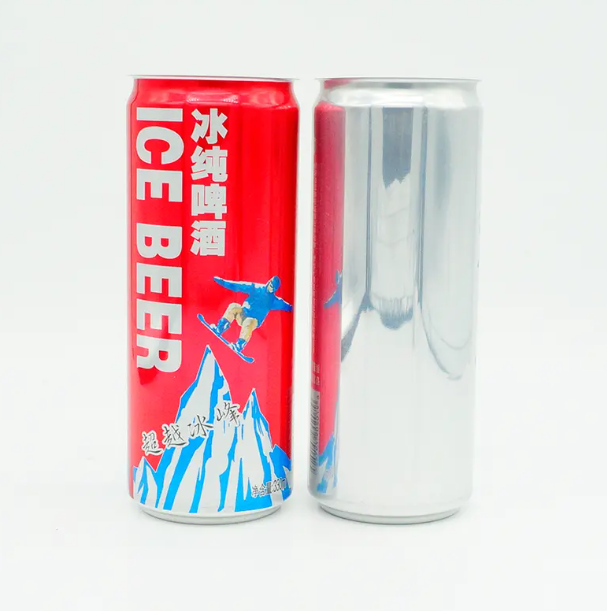
● Slim Cans (12 oz): Slim cans have gained popularity in recent years, especially for health drinks, hard seltzers, and kombucha. Their tall and slender design offers a more modern, refined look that appeals to consumers seeking lighter or premium beverages. These cans create a distinctive silhouette that stands out in both retail stores and bars.
● Stovepipe Cans (19.2 oz): These cans are often seen in convenience stores, offering an ideal size for single-serve occasions like sports events or outdoor activities. The 19.2 oz size strikes a balance between offering more content without overwhelming the consumer, making it perfect for on-the-go situations.
● Crowlers (32 oz) and Growlers (64 oz): Crowlers and growlers are large-format cans designed for craft beer, often used by taprooms or breweries for fresh, limited-run products. Crowlers are sealed on-site, combining the convenience of an aluminum can with the volume of a traditional glass growler. Growlers, typically used for group sharing, have become popular in breweries or as part of a unique brand experience. These sizes are typically targeted at beer enthusiasts or consumers looking for a larger, fresh-serving option.
These specialty cans play a significant role in targeting niche markets. Whether it's slim cans for health-conscious consumers, stovepipes for convenience store shoppers, or crowlers for craft beer lovers, each size offers a tailored experience that enhances branding and consumer appeal.
Why Beverage Can Size Matters for Your Brand's Success
The Impact of Can Size on Consumer Perception
The size of your beverage can plays a big role in shaping customer preferences and buying decisions. Small cans, like mini cans, are often associated with portion control and health-conscious choices. Customers who opt for these sizes tend to be more mindful of calorie intake or are looking for a quick refreshment without overindulging.
On the other hand, larger cans appeal to consumers looking for value or a bigger serving. When consumers see a large can, they often feel they're getting more for their money, which can influence their purchasing decision.
Can size also directly impacts brand identity. Smaller cans tend to give off a premium, health-conscious vibe, whereas larger cans can project a more value-driven, everyday product image. The size of the can helps set the tone for how the brand is perceived in the market.
Influence of Can Size on Brand Visibility
In a crowded retail environment, the right can size can help your product stand out. Think about it: when shoppers are scanning shelves, a can that's too similar to others may blend in. But unique sizes, like tallboys or slim cans, are more likely to catch their eye.
The psychology of packaging plays a huge role here. Larger cans often signal value and abundance, while smaller cans can evoke feelings of sophistication and exclusivity. Depending on your target market, adjusting can size can shape the way your product is perceived.
By choosing the right size, you can improve your product's visibility and even sway consumers who might not have initially considered your brand. A can that stands out is a can that gets noticed, leading to more sales.

The Role of Beverage Can Size in Branding and Marketing
Can Size as a Branding Tool
The size of your beverage can serves as a powerful tool for branding and positioning. Unique can sizes help communicate your brand's values clearly. For instance, smaller cans often represent a premium, high-end product. They're typically used by brands that want to emphasize quality over quantity, like organic beverages or luxury sodas.
On the other hand, larger cans tend to focus on value and convenience, appealing to consumers looking for more product at a better price. Brands that use larger cans are often seen as offering good value for money.
Several successful brands have used can size as part of their marketing strategy. For example, Red Bull's slim 8.4 oz can aligns perfectly with its image of energy and efficiency, while brands like Miller High Life use larger cans to represent abundance and value.
The 'Wow' Factor of Unique Can Sizes
Unique can sizes, such as tallboys or slim cans, can create strong visual differentiation. These sizes aren't just about the volume; they're about creating a product that stands out. When consumers walk down crowded retail aisles, products with distinct can sizes often catch their eye faster than those in traditional, standard cans.
Packaging design plays a key role in reinforcing your brand's story. A slim, tall can can evoke a sense of modernity and sophistication, while a large, hefty can may signal boldness and strength. These design elements not only influence how your brand is perceived but also impact consumer behavior—especially when products have limited shelf space to make an impression.
How to Leverage Can Size in Retail and Online Marketing
When it comes to retail, the right can size can greatly impact how your product fits within existing shelf space. Larger cans may need more strategic placement, while smaller cans are easier to stack and fit into spaces next to other products. The goal is to make your product pop without overwhelming the space around it.
For e-commerce, it's essential to showcase the unique features of your can size. High-quality product photos are crucial. These images should highlight the size and shape of the can to help customers understand what they're purchasing. In online marketing, positioning your can size as part of your product's story can help communicate its value and appeal.
The Cost Implications of Different Can Sizes
Production and Unit Costs
The price difference between small, standard, and large cans can vary significantly. Smaller cans tend to be cheaper per unit, but they may not always offer the best value when considering production volume. Larger cans, while more expensive to produce, may offer better value in the long run, especially for larger batches.
When producing higher volumes, economies of scale come into play. The more you produce, the lower the cost per unit. This is particularly true for standard and large cans, which are produced in larger quantities. If your brand is planning to scale quickly, investing in larger can sizes could save money over time by reducing the per-unit cost.
Distribution, Storage, and Shipping Costs
Can size also impacts your distribution and storage costs. Larger cans are bulkier and heavier, which increases freight costs. Shipping becomes more expensive due to the added weight and the space they take up in trucks or containers. Smaller cans, on the other hand, are lighter and easier to store, leading to cost savings in shipping and logistics.
Weight and space considerations are crucial for keeping distribution efficient. While a larger can may offer more volume, it often leads to higher freight costs. Smaller cans are easier to stack and transport, offering more efficient use of space. For a business looking to keep costs low, balancing product volume and shipping efficiency is key.

Factors to Consider When Selecting the Right Beverage Can Size for Your Brand
Target Market and Consumer Preferences
Aligning your can size with your target market is crucial for success. Smaller cans are great for health-conscious consumers who prefer portion control, while larger cans cater to those looking for better value or a bigger serving. For instance, if your market leans towards premium, organic drinks, smaller cans might align with their preferences. But if your audience is value-driven, larger cans could appeal to their desire for more at a reasonable price.
Trends also play a big role. Some markets are increasingly focused on healthier options, pushing the demand for smaller, more controlled servings. Meanwhile, other markets may prefer large, single-serving cans, like those for energy drinks or convenience beverages. Knowing your market's preferences will guide your decision on which can size fits your brand.
The Beverage Type and Its Formulation
The type of beverage you're selling will heavily influence your can size choice. For carbonated drinks, standard cans work well as they preserve the fizz and carbonation. Functional beverages, like energy drinks, often use smaller or slim cans to enhance portability. Alcoholic beverages may require larger cans to accommodate a stronger or higher-volume product.
Material matters too. For example, some beverages need cans with a special lining to preserve their taste, while others may need thicker cans to ensure freshness. The right size and material can help maintain the integrity of the product while aligning with the packaging's functionality.
Shelf Life and Packaging Protection
The can size you choose can impact your product's freshness, especially when it comes to maintaining taste over time. Smaller cans often preserve freshness better than larger ones due to less exposure to light and oxygen. This is especially important for craft beers or specialty beverages, where freshness is key.
Using the right canning technology, like nitrogen purging or UV sterilization, can extend shelf life by preventing oxidation and light exposure. For beverages sensitive to these elements, such as craft beers, selecting the appropriate can size and technology will help maintain the product's quality from production to consumption.
Conclusion
Choosing the right can size is crucial for your brand's success. It impacts everything from consumer perception to cost efficiency and sustainability. Aligning the right size with your branding and customer preferences can make a big difference. Take a moment to assess your current packaging. Consider working with J-ZHOU to find the ideal can size for your product's success.
FAQ
Q: Why are slim cans becoming more popular?
A: Slim cans are becoming popular for health-conscious and premium beverages like hard seltzers, kombucha, and organic drinks due to their modern, sleek appearance.
Q: Can I use multiple can sizes for the same product?
A: Yes, using multiple can sizes can help appeal to different consumer preferences, from smaller servings to larger, value-driven options.
Q: How do beverage can sizes impact shipping costs?
A: Larger cans increase shipping costs due to higher weight and space requirements, while smaller cans are more efficient to store and transport.
Q: What are the benefits of using larger cans for craft beer?
A: Larger cans like 16 oz tallboys offer more space for branding, attract customers seeking premium products, and allow for larger servings of craft beer.
Q: Is it better to choose smaller or larger cans for energy drinks?
A: Smaller cans, like the 8.4 oz size, are ideal for energy drinks as they provide a quick, portable, and concentrated option for consumers.