Contents
Introduction
The Strategic Role of Aluminum in Premium Beverage Packaging
Why the 450ml standard can Has Become a Premium Format Benchmark
Material Performance: How Aluminum Enhances Beverage Quality and Shelf Life
Sustainability and Circular Economy Advantages of Aluminum Packaging
Consumer Perception and Premium Experience Enabled by Aluminum Cans
Design Flexibility and Engineering Benefits of Aluminum for Beverages
Cost Efficiency and Logistics Optimization with Aluminum Can Formats
Conclusion
FAQ
Introduction
Premium beverage packaging is no longer defined solely by aesthetics; it is the result of carefully balanced decisions involving material science, sustainability, consumer psychology, and logistics efficiency. Among all available packaging materials, Aluminum has consistently emerged as the preferred choice for high-end beverage applications. From sparkling water and functional drinks to energy and craft beverages, aluminum containers—especially the 450ml standard can—have become a defining symbol of quality, performance, and modern consumption. This article explores the technical, commercial, and experiential reasons aluminum dominates premium beverage packaging and explains why formats like 450ml cans are increasingly favored in the global beverage market.
The Strategic Role of Aluminum in Premium Beverage Packaging
Aluminum plays a foundational role in premium beverage packaging because it aligns material performance with brand positioning and consumer expectations. Unlike alternative materials, Aluminum for beverages offers a rare combination of lightweight strength, barrier protection, and visual refinement.
From a functional standpoint, aluminum provides an excellent barrier against light, oxygen, and moisture—three major factors that degrade beverage quality. This makes it especially valuable for premium formulations where flavor stability, carbonation retention, and nutritional integrity are critical.
From a strategic perspective, aluminum supports premium pricing. Consumers often associate aluminum packaging—particularly Silver Aluminum finishes—with modernity, cleanliness, and technological sophistication. This perception elevates the product experience without increasing formulation costs.
Importantly, aluminum scales efficiently across sizes. Whether slim, sleek, or the increasingly popular 450ml standard can, manufacturers can maintain consistent material performance while adapting volume to consumption trends. This scalability is one reason aluminum has become the default material in premium beverage portfolios worldwide.
Why the 450ml standard can Has Become a Premium Format Benchmark
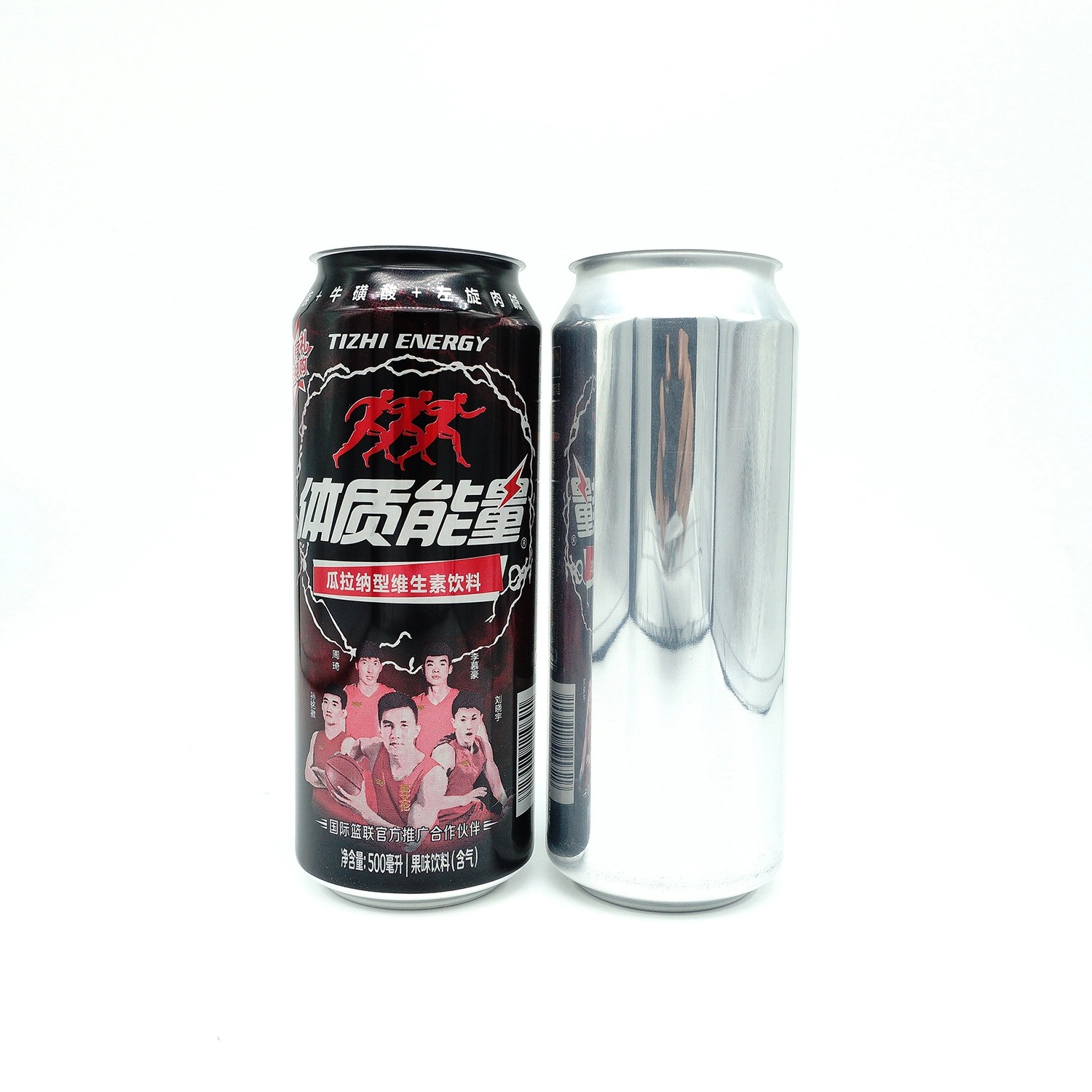
The 450ml standard can occupies a strategic middle ground between traditional 330ml cans and larger 500ml formats. This volume aligns perfectly with premium beverage consumption patterns, where consumers seek longer enjoyment without overconsumption.
One key advantage of the 450ml format is portion perception. It feels indulgent but controlled, making it ideal for premium for beverages positioned around wellness, energy, or crafted taste profiles. Aluminum enhances this perception by maintaining temperature stability and delivering a satisfying tactile experience.
From a production standpoint, the 450ml standard can integrates seamlessly into existing aluminum can manufacturing lines with minimal tooling adjustments. This allows producers to expand premium offerings without excessive capital investment.
The format also performs well in on-the-go scenarios. Lightweight yet durable, aluminum 450ml cans fit modern lifestyles while preserving product integrity during transport and handling.
Material Performance: How Aluminum Enhances Beverage Quality and Shelf Life
Aluminum’s technical properties directly contribute to beverage quality, making it the material of choice for premium applications. Its non-permeable structure prevents gas exchange, ensuring carbonation levels and flavor profiles remain stable throughout the product lifecycle.
Unlike plastic, Aluminum for beverages does not absorb flavors or release compounds that could alter taste. This neutrality is essential for premium drinks with subtle flavor notes or functional ingredients.
Thermal conductivity is another critical advantage. Aluminum chills faster than alternative materials, enhancing the immediate consumption experience. For the 450ml standard can, this means a larger volume can still reach optimal drinking temperature quickly.
The table below highlights how aluminum compares to other common packaging materials:
| Performance Factor | Aluminum | Plastic | Glass |
| Light & Oxygen Barrier | Excellent | Moderate | Excellent |
| Flavor Neutrality | Excellent | Low | Excellent |
| Cooling Speed | Fast | Slow | Moderate |
| Weight Efficiency | High | High | Low |
| Premium Perception | High | Low | High |
This performance profile explains why aluminum is consistently selected for premium beverage launches and limited editions.
Sustainability and Circular Economy Advantages of Aluminum Packaging
Sustainability is now inseparable from premium positioning, and aluminum offers unmatched environmental advantages. Aluminum is infinitely recyclable without loss of quality, making it a cornerstone material in circular economy models.
Recycling aluminum requires significantly less energy than producing primary material, reducing carbon footprint across the packaging lifecycle. This environmental efficiency enhances brand credibility in premium segments where consumers are environmentally conscious.
The 450ml standard can further supports sustainability goals by optimizing material-to-volume ratios. More beverage can be delivered with proportionally less packaging weight compared to glass alternatives.
Additionally, aluminum recycling systems are widely established and efficient, increasing the likelihood that premium beverage packaging re-enters the production cycle. This closed-loop potential reinforces aluminum’s position as the preferred material for forward-looking beverage brands.
Consumer Perception and Premium Experience Enabled by Aluminum Cans
Consumer perception plays a decisive role in packaging selection. Aluminum cans deliver a multisensory experience that aligns with premium expectations. The cool touch of Silver Aluminum, the clean opening sound, and the solid hand feel all contribute to perceived quality.
The 450ml standard can enhances this experience by extending consumption time while maintaining ergonomic comfort. Consumers often associate larger aluminum cans with better value and higher quality, especially when paired with refined visual design.
Aluminum also supports high-definition printing and advanced surface treatments. Matte finishes, embossing, and minimalist graphics are all more effective on aluminum than on plastic, reinforcing premium positioning without excessive decoration.
This emotional connection between material and experience explains why aluminum cans dominate premium beverage shelves across multiple categories.
Design Flexibility and Engineering Benefits of Aluminum for Beverages
Aluminum offers exceptional design flexibility, enabling differentiation in crowded premium markets. From slim profiles to custom neck finishes, aluminum supports innovative can geometries without compromising strength.
The 450ml size benefits particularly from aluminum’s structural efficiency. Thin walls combined with high rigidity allow for elegant proportions while maintaining pressure resistance for carbonated drinks.
Engineering advantages also extend to filling and sealing performance. Aluminum cans provide consistent seam integrity, reducing leakage risk and supporting longer shelf life—both essential for premium distribution channels.
For beverages positioned as premium for beverages, aluminum enables design experimentation while maintaining operational reliability.
Cost Efficiency and Logistics Optimization with Aluminum Can Formats
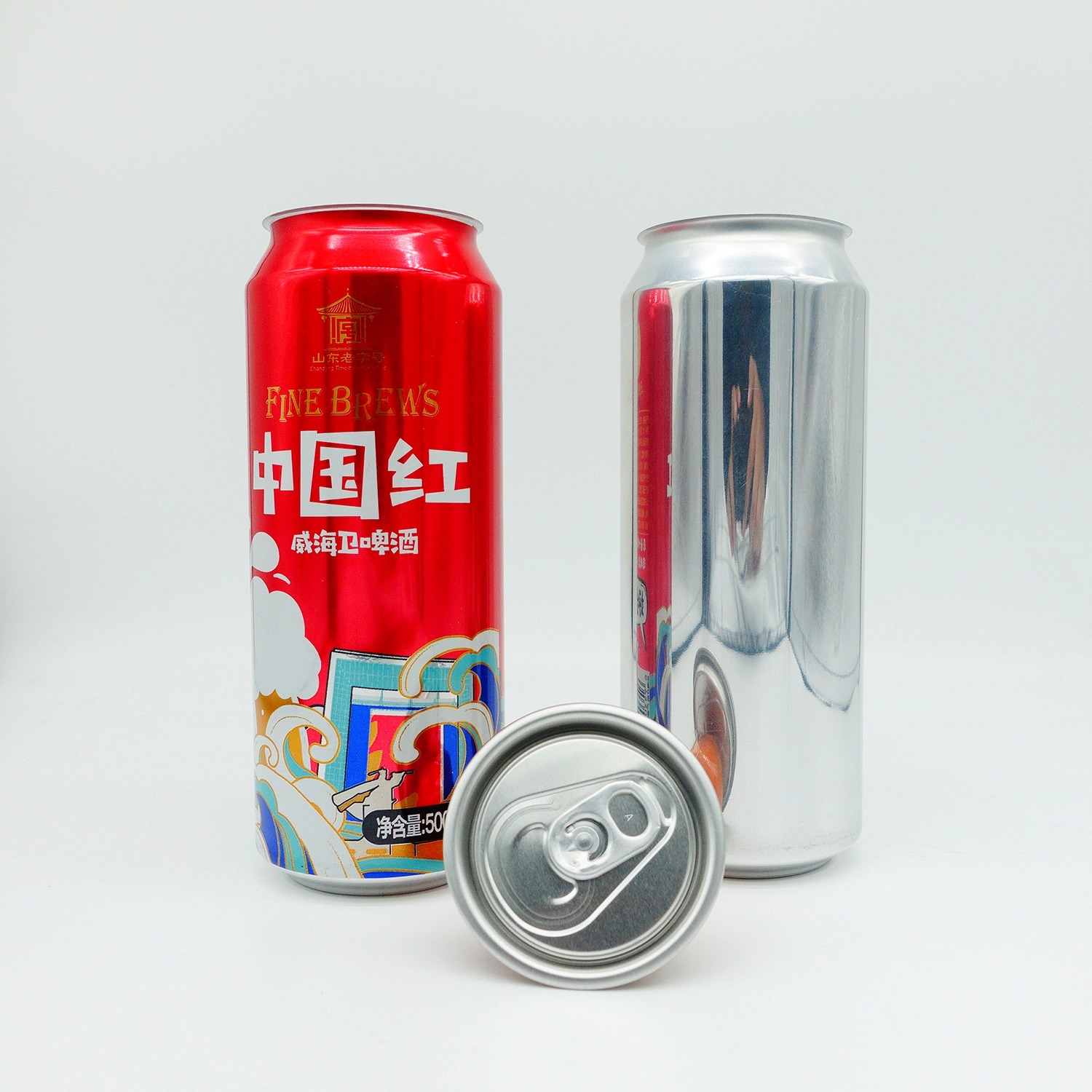
While premium packaging emphasizes quality, cost efficiency remains critical. Aluminum offers long-term economic advantages through reduced transportation weight, lower breakage rates, and efficient palletization.
The 450ml standard can optimizes logistics by delivering more volume per unit without increasing handling complexity. Compared to glass, aluminum significantly reduces shipping emissions and storage costs.
Production efficiency is another key factor. High-speed aluminum can lines support large-scale premium production with minimal waste, ensuring consistent quality at competitive unit costs.
These logistical and economic benefits allow premium beverage producers to invest more in formulation and branding rather than packaging inefficiencies.
Conclusion
Aluminum is preferred in premium beverage packaging because it seamlessly integrates performance, sustainability, consumer perception, and operational efficiency. Its ability to protect beverage quality, support premium design, and align with environmental expectations makes it unmatched among packaging materials. The rise of the 450ml standard can further demonstrates how aluminum adapts to evolving consumption patterns while maintaining its premium appeal. As beverage markets continue to innovate, aluminum will remain the material that defines quality, value, and modern premium packaging.
FAQ
Q1: Why is aluminum considered premium compared to plastic for beverages?
Aluminum offers superior barrier protection, better temperature performance, and stronger premium perception than plastic.
Q2: What makes the 450ml standard can popular in premium beverages?
The 450ml standard can balances portion size, premium feel, and logistical efficiency, making it ideal for modern consumption habits.
Q3: Is aluminum packaging sustainable for premium beverages?
Yes. Aluminum is infinitely recyclable and supports circular economy models, which aligns with premium sustainability expectations.
Q4: Does aluminum affect beverage taste?
No. Aluminum is flavor-neutral and protects beverages from external contamination.
Q5: Can aluminum cans support advanced design for premium branding?
Absolutely. Aluminum allows high-quality printing, embossing, and surface finishes that enhance premium visual identity.


