Contents
Introduction
Understanding the Role of the 500ml Standard Can in Modern Beverage Packaging
Consumer Consumption Patterns Driving the Shift Toward Larger Standard Cans
Economic and Supply-Chain Advantages of 500ml Standard Can for Beverages
Functional Benefits of Aluminum 500ml Standard Cans in Storage and Distribution
Premium Positioning and Perceived Value of 500ml Premium Standard Cans
Sustainability and Material Efficiency of Silver Aluminum 500ml Standard Cans
Practical Use Scenarios Where Larger Standard Cans Perform Best
Conclusion
FAQ
Introduction
Larger standard cans have become a dominant packaging format across global beverage categories, with the 500ml standard can emerging as a practical and strategic choice rather than a simple size variation. This format reflects evolving consumer expectations, logistical optimization, material efficiency, and usage context changes. From individual consumption habits to transportation economics and sustainability goals, the adoption of larger standard cans like 500ml addresses multiple industry challenges simultaneously. Understanding why this size is used requires examining real-world functionality, cost structures, and consumption behavior rather than focusing only on volume.
Understanding the Role of the 500ml Standard Can in Modern Beverage Packaging
The 500ml standard can plays a critical role in aligning packaging design with how beverages are actually consumed today. Unlike smaller formats that often require multiple units per occasion, the 500ml size supports single-serve yet extended consumption, especially for on-the-go or active environments. This balance reduces the need for repeat purchases during the same usage window and improves user convenience.
From a packaging system perspective, standardization at the 500ml level allows manufacturers to streamline filling lines, pallet configurations, and inventory management. A standardized larger can reduces variation across SKUs while still meeting demand for higher volume. This is particularly important in regions where consumers prefer fewer but larger units instead of multiple small containers.
The role of the 500ml standard can for beverages is also closely tied to evolving retail formats. Convenience stores, vending environments, and transportation hubs favor products that deliver more content per unit without increasing shelf complexity. As a result, the 500ml format becomes a functional compromise between portability and volume efficiency, supporting both consumer needs and retail logistics.
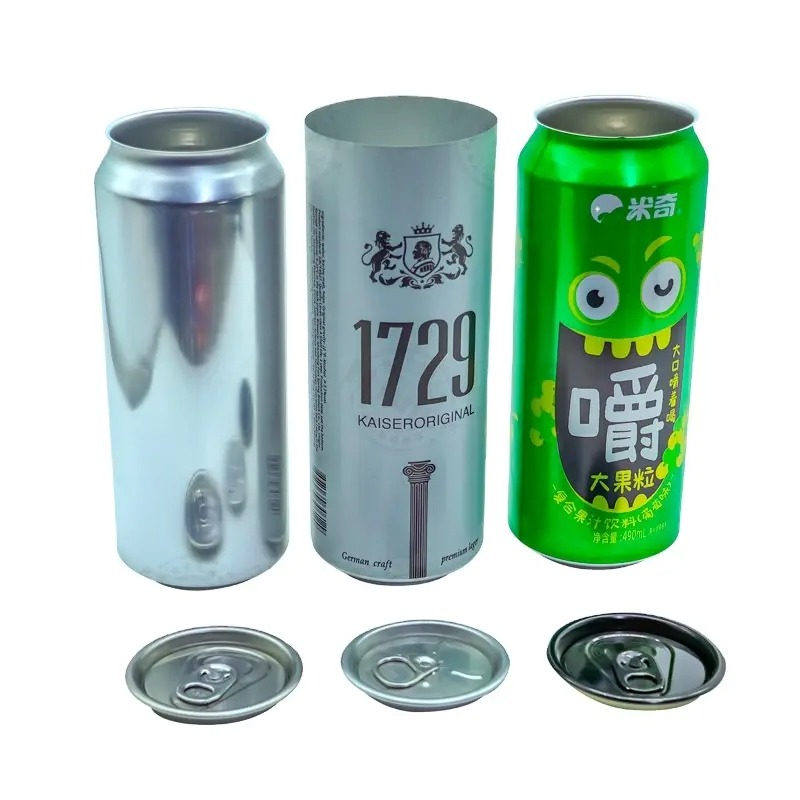
Consumer Consumption Patterns Driving the Shift Toward Larger Standard Cans
Changes in consumption behavior are a primary reason larger standard cans like 500ml are widely used. Modern consumers increasingly engage in longer single-session consumption, such as extended commuting, outdoor activities, or workday hydration. In these scenarios, smaller containers are insufficient, while overly large formats reduce portability.
The 500ml standard can matches the average hydration or consumption window without requiring refills or multiple purchases. It supports gradual consumption while maintaining carbonation, temperature, and product integrity better than resealed containers. This is particularly relevant for beverages that are intended to be consumed over 20–40 minutes rather than instantly.
Another factor is perceived sufficiency. A 500ml unit psychologically signals “enough for now,” reducing dissatisfaction associated with finishing a smaller portion too quickly. This perception improves user experience without requiring oversized packaging. As consumption occasions shift toward individual, self-contained moments, the relevance of the 500ml standard can for beverages continues to grow.
Economic and Supply-Chain Advantages of 500ml Standard Can for Beverages
From an economic standpoint, larger standard cans deliver measurable efficiencies across the supply chain. A 500ml standard can reduces packaging material usage per milliliter compared to smaller sizes, lowering unit cost ratios. Fewer cans are required to move the same total volume, directly impacting handling, storage, and transportation expenses.
Logistically, pallet optimization improves significantly with standardized 500ml formats. Warehouses can stock fewer SKUs, distribution centers benefit from higher volume density, and transport vehicles achieve better load utilization. These efficiencies compound across large-scale operations, making the 500ml size attractive for scalable distribution.
Below is a simplified comparison illustrating logistical efficiency:
| Can Size | Units per Pallet | Total Volume per Pallet | Handling Efficiency |
| 330ml | High | Moderate | Lower |
| 375ml | Medium | Moderate | Medium |
| 500ml Standard Can | Fewer | High | Higher |
For beverage producers, these efficiencies reduce operational complexity while maintaining consumer-friendly packaging. The 500ml standard can for beverages thus supports both cost control and supply reliability.
Functional Benefits of Aluminum 500ml Standard Cans in Storage and Distribution
Material choice amplifies the advantages of larger standard cans. Aluminum 500ml standard cans offer high strength-to-weight ratios, making them ideal for larger volumes without compromising durability. The rigidity of aluminum ensures structural stability during stacking and transportation, even with increased liquid weight.
Thermal performance is another functional benefit. Aluminum rapidly transfers temperature, allowing beverages in 500ml standard cans to cool faster and remain evenly chilled. This is especially valuable in environments where refrigeration time is limited or inconsistent.
Additionally, aluminum’s barrier properties protect product quality over longer consumption windows. Since larger cans are often consumed more gradually, maintaining carbonation, flavor integrity, and freshness is critical. The Silver Aluminum 500ml standard can effectively meets these requirements without adding complexity such as resealable mechanisms.
Premium Positioning and Perceived Value of 500ml Premium Standard Cans
Beyond function and cost, larger standard cans contribute to perceived value. A 500ml premium standard can visually communicates generosity and completeness, often associated with higher satisfaction per unit. The increased surface area also enhances design visibility, enabling more detailed graphics and clearer information presentation.
Premium positioning does not necessarily depend on luxury branding but on usage perception. Consumers often associate larger formats with better value, especially when the price difference relative to smaller sizes is moderate. This makes the 500ml standard can a strategic choice for products aiming to balance accessibility with elevated perception.
From a tactile perspective, the weight and feel of a 500ml aluminum can reinforce substance and quality. This sensory feedback subtly influences purchase decisions, particularly in self-service retail environments where physical interaction precedes buying.
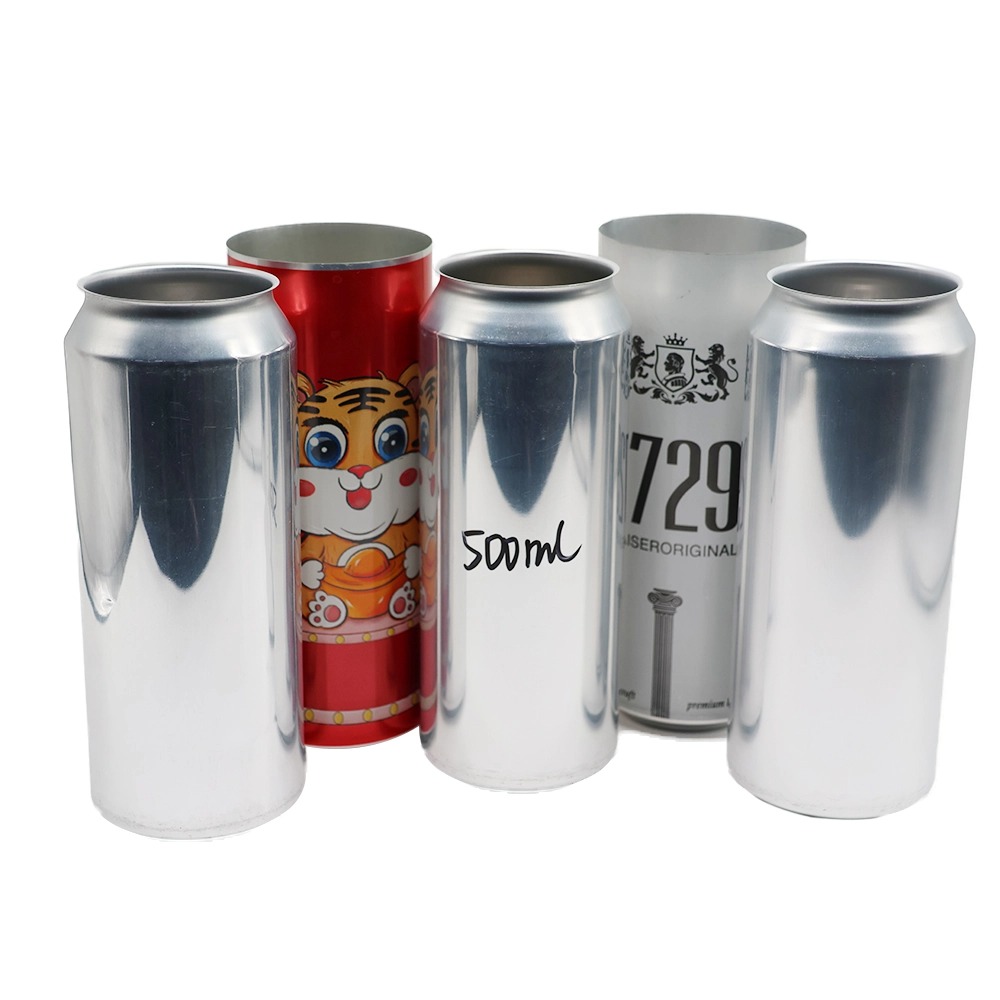
Practical Use Scenarios Where Larger Standard Cans Perform Best
The practical advantages of larger standard cans become most evident in specific use scenarios. Outdoor activities, travel, long work shifts, and event settings all favor a single container that delivers sustained consumption. The 500ml standard can for beverages performs reliably in these contexts without requiring additional packaging or accessories.
Another key scenario is temperature maintenance. A larger liquid volume retains its internal temperature longer, reducing rapid warming after opening. This makes Aluminum 500ml standard cans especially suitable for environments where immediate refrigeration is unavailable.
Finally, standardized larger cans simplify waste handling and recycling. Fewer containers are discarded per consumption event, improving collection efficiency. When combined with Silver Aluminum 500ml standard can material properties, this contributes to a cleaner and more manageable post-use process.
Conclusion
Larger standard cans like 500ml are used because they solve multiple real-world challenges at once. The 500ml standard can aligns with modern consumption patterns, improves logistical efficiency, enhances material performance, and delivers stronger perceived value. Its success is not accidental but rooted in functional optimization across consumer experience, supply chains, and usage environments. As beverage consumption continues to prioritize convenience, efficiency, and satisfaction, the relevance of the 500ml standard can for beverages remains firmly established.
FAQ
Q1: Why is the 500ml size considered a standard can format?
The 500ml standard can balances portability and sufficient volume, making it widely compatible with modern consumption habits and logistics systems.
Q2: Are larger standard cans less efficient than smaller ones?
No. In fact, 500ml standard cans are often more efficient in transportation, storage, and material usage per milliliter.
Q3: Why is aluminum preferred for 500ml standard cans?
Aluminum 500ml standard cans offer durability, excellent thermal performance, and strong barrier protection, making them ideal for larger volumes.
Q4: Do 500ml cans support premium positioning?
Yes. A 500ml premium standard can enhances perceived value through size, design space, and user satisfaction without increasing complexity.
Q5: Are silver aluminum cans recyclable in large formats?
Absolutely. Silver Aluminum 500ml standard cans maintain full recyclability and often improve collection efficiency due to fewer discarded units.


