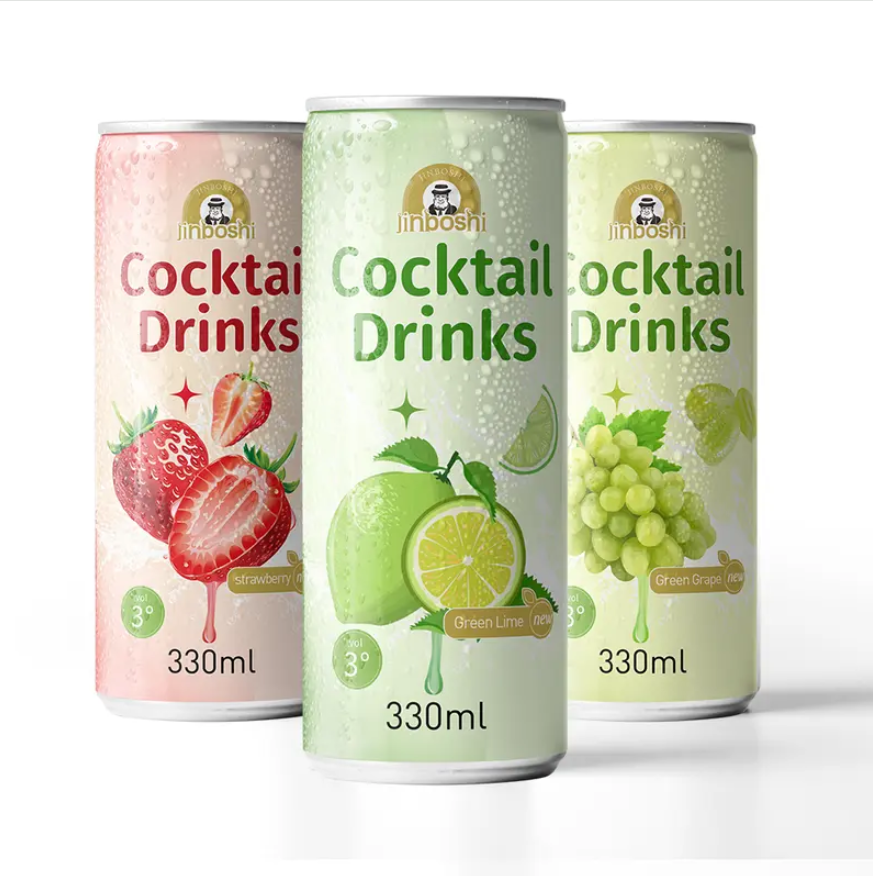
Have you noticed skinny soda cans everywhere? Tall, slim cans now dominate store shelves. They look modern and fit health trends. In this article, we explore why skinny soda cans are so popular and how design, lifestyle, and marketing drive their success.
The Appeal of Skinny Soda Cans to Consumers
Perception of Health and Wellness
Consumers associate skinny soda cans with health-conscious choices. The slimmer design suggests fewer calories and promotes a leaner lifestyle image. Brands leverage this perception to market drinks like sparkling water, energy beverages, and low-calorie sodas. This packaging subtly communicates wellness, even before a consumer reads the label.
Moreover, the can’s shape impacts portion perception. A taller, slimmer can often feels more controlled and satisfying, reinforcing healthier choices. Beverage companies understand this psychology and intentionally use skinny soda cans to meet evolving consumer demands.
Premium and Trendy Image
Skinny soda cans project a modern and trendy image. They often represent sophistication, making consumers feel more upscale when choosing the product. Influencer marketing and social media amplify this effect by highlighting stylish beverage packaging. Brands like White Claw and Red Bull have leveraged the skinny can aesthetic to create a sense of exclusivity and trendiness.
The design also signals innovation. Consumers perceive skinny cans as premium offerings, elevating ordinary beverages into products that feel high-end. This perception encourages repeat purchases and fosters brand loyalty.
Convenience and Portion Control
Skinny soda cans are easier to handle and carry, making them ideal for on-the-go consumption. The slim design fits comfortably in cup holders, backpacks, and lunch boxes. In addition, the perceived portion is smaller, which helps consumers regulate their intake.
Despite the compact look, these cans often contain the standard 12 ounces, balancing convenience with value. Brands benefit from this perception by appealing to consumers who prioritize control over consumption without compromising product volume.
Visual Shelf Impact
Tall, slender cans stand out in crowded retail displays. Their unique shape attracts the eye and improves skinny soda cans shelf appeal. Products in skinny cans often appear more organized and visually striking.
Retailers also find that slimmer cans allow for better shelf optimization. By fitting more units in a given space, stores can offer variety and maintain an attractive presentation. This visual advantage drives purchase decisions and reinforces brand recognition.
Design and Packaging Innovation
Evolution of Can Shapes
Over decades, beverage cans have evolved from squat and wide to tall and slim. Early cans prioritized marketing space for colorful logos, while modern skinny soda cans emphasize aesthetics and functionality.
This shift reflects changing consumer tastes and technological advancements in can production. Brands innovate by experimenting with height, diameter, and material thickness, creating options that satisfy both design goals and operational efficiency.
Material Efficiency
Skinny soda cans reduce material usage while maintaining volume. They are typically lighter, lowering shipping costs and warehouse storage requirements. This efficiency results in notable skinny soda cans cost savings for manufacturers.
Additionally, aluminum is fully recyclable, contributing to environmental sustainability. Using less material also reduces the carbon footprint of production, making it an eco-conscious choice for companies and consumers alike.
Advantage | Impact |
Lighter weight | Lower shipping costs |
Slim design | More units per pallet |
Recyclable aluminum | Reduced environmental impact |
Material savings | Increased profit margins |
Branding Opportunities
Skinny soda cans offer creative possibilities for branding. Taller surfaces allow for unique label designs and eye-catching artwork. Brands can differentiate flavors and product lines through custom graphics that resonate with target audiences.
The tactile experience of holding a slim can enhances consumer interaction. Packaging becomes a part of the overall product experience, reinforcing brand recognition and loyalty.
Consumer Interaction with Packaging
Consumers engage visually and physically with skinny cans, which enhances the perceived value. The sleek feel and modern appearance make them more appealing than traditional cans. Interaction with packaging can influence brand preference, making innovation in design critical for market success.
Business Benefits of Skinny Soda Cans
Shelf Optimization and Inventory
Retailers benefit from skinny soda cans because they occupy less shelf space while maintaining standard volume. This optimization allows for greater product variety and improved store aesthetics. Inventory management is simplified, and high-demand products can be stocked efficiently.
This strategic placement increases visibility and encourages impulse purchases. Brands gain a competitive edge when their products are easier to see and access.
Shipping and Logistics Efficiency
Slim cans enable higher pallet density, reducing transportation costs per unit. Trucks can carry more products, and storage space is utilized more effectively. This efficiency contributes to lower operational costs and supports sustainability goals.
Optimized shipping and logistics provide a clear cost-saving advantage, making skinny cans attractive for both manufacturers and retailers.
Cost Savings in Production
The reduced aluminum usage and smaller footprint translate into lower production costs. Less material, combined with efficient packaging lines, improves profit margins.
These savings can be reinvested in marketing or product innovation, creating a positive feedback loop for brands.
Market Differentiation
Skinny soda cans help brands stand out in a crowded beverage market. Their unique shape draws attention and conveys modernity. Differentiation is key in competitive categories like energy drinks and sparkling water.
By offering a product that visually signals premium quality, companies can justify price points and foster customer loyalty.

Environmental Considerations
Aluminum Recycling Advantages
Aluminum cans are highly recyclable, making skinny soda cans an environmentally responsible choice. Recycling reduces waste and supports circular economy initiatives.
Compared with plastic, aluminum avoids long-term environmental harm and can be reused indefinitely. Brands increasingly promote these advantages to appeal to eco-conscious consumers.
Carbon Footprint Reduction
Lightweight skinny cans require less energy for production and transportation. This reduction in material and shipping weight decreases the overall carbon footprint.
Environmentally friendly packaging resonates with consumers who prioritize sustainability, influencing purchasing behavior.
Consumer Eco-Conscious Appeal
Eco-friendly packaging can boost brand perception and loyalty. Consumers are more likely to choose products that demonstrate commitment to the environment.
Incorporating recycled materials and promoting sustainability initiatives align with broader corporate social responsibility goals.
Psychological and Cultural Drivers
Trend and Lifestyle Associations
Skinny cans are associated with modern, health-oriented lifestyles. Social media influencers and lifestyle marketing amplify this perception, making slim cans aspirational.
Consumers feel connected to wellness trends when purchasing beverages in skinny cans. This psychological effect strengthens brand positioning among younger, trend-focused demographics.
Perceived Sophistication
The design of skinny soda cans enhances the perceived quality of beverages. Slim cans can make ordinary drinks feel premium, which supports higher price points.
This perception encourages consumers to experiment with new flavors and products, expanding market reach.
Cultural Acceptance and Familiarity
Although modern skinny cans feel innovative, their history dates back decades. Brands like Pepsi experimented with tall cans in the early 2010s. Today, the design blends nostalgia with contemporary trends, ensuring broad consumer acceptance.
Comparison with Traditional Cans
Size and Volume Differences
Skinny soda cans appear smaller yet often hold the same volume as traditional cans. This visual illusion satisfies consumers seeking controlled portions without sacrificing quantity.
The tall, slim form factor differentiates the product on crowded shelves and reinforces premium perceptions.
Marketing and Display
Slim cans outperform traditional cans in visual merchandising. Their distinctive shape improves shelf aesthetics and draws attention to new flavors or seasonal offerings.
Marketing campaigns often highlight the sleek design to enhance brand appeal and drive engagement.
Cost and Production Comparison
Compared to traditional cans, skinny versions reduce material usage and shipping expenses. Production lines can be optimized for speed and efficiency.
Brands save on both packaging and logistics costs while maintaining high product quality.
Consumer Feedback and Adoption
Market research indicates strong preference for skinny soda cans. Consumers enjoy the perceived sophistication, convenience, and modern design. Adoption continues to grow across multiple beverage categories, confirming the format’s success.
Future Trends in Beverage Packaging
Growth of Slim and Specialty Cans
The trend extends beyond sodas to sparkling water, energy drinks, and alcoholic beverages. Specialty cans cater to niche markets and limited-edition releases.
Innovations in size, shape, and material allow brands to target new demographics and diversify product lines.
Sustainability-Driven Packaging
Eco-conscious packaging is expected to grow, with an emphasis on recyclability and minimal environmental impact. Circular economy principles will drive design and material choices.
Brands that adopt sustainable practices gain consumer trust and competitive advantage.
Digital and Interactive Packaging
Emerging technologies like QR codes, augmented reality, and smart labeling enhance consumer engagement. These features create interactive experiences that link packaging to digital content, promotions, or loyalty programs.
Innovation in interactive packaging can differentiate products and boost brand recall.
Global Market Adaptation
Skinny soda cans are gaining popularity internationally. Regional variations in adoption reflect cultural preferences, local regulations, and market maturity.
Brands expanding globally can tailor packaging and marketing strategies to local tastes while maintaining core design principles.
Conclusion
Skinny soda cans combine style, convenience, and efficiency. They improve shelf appeal and signal health-conscious choices. Shandong Jinzhou Health Industry Co.,Ltd. offers high-quality aluminum cans that enhance brand image and reduce environmental impact. Their products provide value through sustainable, eye-catching packaging and reliable production.
FAQ
Q: What are skinny soda cans?
A: Skinny soda cans are taller, slimmer beverage cans designed to improve shelf appeal and align with modern, health-conscious lifestyles. They reflect the skinny soda cans packaging trend.
Q: Why are skinny soda cans popular?
A: Skinny soda cans are popular because they suggest lower calories, offer a premium look, and enhance visual merchandising. Their design boosts brand perception and influences consumer choice.
Q: How do skinny soda cans save costs for manufacturers?
A: Skinny soda cans reduce aluminum usage, lower shipping weight, and optimize storage. These factors contribute to skinny soda cans cost savings while maintaining product quality.
Q: Are skinny soda cans environmentally friendly?
A: Yes, skinny soda cans are fully recyclable, reduce material use, and lower carbon footprint. This eco-conscious packaging aligns with sustainability trends and consumer preferences.
Q: How do skinny soda cans impact shelf display?
A: Their tall, slim shape improves skinny soda cans shelf appeal, making products more noticeable on crowded shelves and enhancing marketing effectiveness for new flavors or limited editions.
Q: Can skinny soda cans hold the same volume as traditional cans?
A: Yes, skinny soda cans often hold the same volume as regular cans. The design gives a perception of portion control without reducing quantity.
Q: How do brands use skinny soda cans for marketing?
A: Brands leverage skinny soda cans to signal sophistication and modernity. The design supports lifestyle marketing and attracts consumers who value aesthetics and wellness.
Q: Are skinny soda cans suitable for different beverages?
A: Absolutely. The skinny soda cans packaging trend extends beyond sodas to sparkling water, energy drinks, and alcoholic beverages, offering versatility across categories.
Q: Do skinny soda cans offer practical benefits for consumers?
A: Yes, they are lightweight, easy to carry, fit in cup holders, and create a perception of controlled portions, combining convenience with style.
Q: How do skinny soda cans support brand differentiation?
A: The unique shape and premium perception help products stand out on shelves. Brands can highlight innovation and style, making their beverages more memorable to consumers.