The beverage industry is evolving rapidly. From shifting consumer preferences to rising operational costs, businesses must adapt.
In this article, we will explore how these challenges, along with innovation opportunities, are reshaping the industry. You will learn about key trends, including the growing demand for Beverage Cans, sustainability, and the role of technology.
Consumer Trends and Shifting Preferences
Health and Wellness in Beverages
Consumers today are more health-conscious than ever before. The demand for functional beverages—those offering benefits beyond hydration—is rising. This includes drinks like kombucha, enhanced waters, and plant-based beverages that cater to health-focused consumers. In particular, sugar-free options and plant-based alternatives are seeing rapid growth as consumers increasingly seek beverages that align with their wellness goals.
The shift toward healthier options is also influencing product development in traditional beverage categories. For example, soft drink companies are reformulating their products to include lower sugar content and more natural ingredients. As this trend grows, beverage cans—especially aluminum beverage cans—serve as a sustainable and efficient packaging solution for these healthier, on-the-go options.
Low-Alcohol and Non-Alcoholic Options
The rise of the "sober-curious" movement, particularly among younger consumers like Generation Z, is disrupting the alcoholic beverage sector. Consumers are looking for alternatives that provide the flavor and social experience of traditional alcoholic drinks without the negative effects. Non-alcoholic spirits, mocktails, and beers have gained popularity as part of this shift.
This trend is particularly relevant for companies in the alcohol sector, as they now need to diversify their portfolios to include low-alcohol and non-alcoholic options. The increased availability of these products in aluminum beverage cans is one way to ensure convenience and portability, making it easy for consumers to enjoy these drinks wherever they are.
Premiumization and Craft Beverages
There is a growing preference for high-quality, craft beverages that offer unique flavors and experiences. This trend is seen across a wide range of beverage categories, from craft beers and artisanal sodas to premium bottled waters. Consumers are willing to pay more for beverages that provide superior taste, quality, and authenticity.
As premium products gain traction, the role of packaging becomes even more important. Aluminum beverage cans are often seen as a more premium option due to their sleek, modern appearance and their ability to preserve the integrity of the drink inside. For brands looking to capitalize on this premiumization trend, choosing the right packaging is key to positioning their products in the competitive market.
Economic Pressures and Cost Management
Inflation and Rising Operational Costs
Inflation is a constant challenge for the beverage industry, driving up the costs of ingredients, labor, and transportation. The COVID-19 pandemic further exacerbated these economic pressures, leading to shortages in raw materials and increased operational costs. These rising costs squeeze profit margins and force businesses to find innovative ways to manage their expenses.
To navigate these challenges, companies are focusing on supply chain optimization and automation. By leveraging technology, such as predictive analytics and real-time inventory management, beverage companies can minimize waste and improve efficiency in production and distribution. Aluminum beverage cans are particularly useful in this regard, as they are lightweight, cost-effective, and highly recyclable, providing long-term savings while meeting consumer demand for sustainability.
Market Fragmentation and Competition
The beverage market is highly fragmented, with new entrants constantly emerging to challenge established players. From innovative startups to niche brands offering unique products, competition is intensifying across all categories. This market fragmentation requires companies to innovate quickly and differentiate themselves through product offerings, marketing, and packaging.
In such a competitive environment, agility is critical. Companies must focus on maintaining a robust pipeline of new products while ensuring their operational efficiency. One way to stand out is by embracing aluminum beverage cans as a packaging choice. Their flexibility in size, design, and sustainability appeals to both consumers and businesses looking for a competitive edge.

Regulatory Challenges and Compliance
Sustainability Regulations
There is increasing pressure for companies to adopt sustainable practices, including using eco-friendly packaging materials. Many regions, particularly in the European Union and North America, have introduced regulations mandating that beverage packaging be recyclable or made from recycled materials.
The push for sustainable packaging is creating new opportunities for aluminum beverage cans. Aluminum is 100% recyclable and can be recycled indefinitely without losing quality, making it an ideal material for environmentally conscious brands. Beverage companies that adopt aluminum beverage cans can not only meet regulatory requirements but also appeal to environmentally aware consumers.
Innovation and Technology Adoption
The Role of AI and Big Data in Beverage Innovation
Advances in technology, particularly artificial intelligence (AI) and big data, are transforming the beverage industry. AI is being used to optimize product development by analyzing consumer behavior and predicting trends. Big data, on the other hand, helps companies make more informed decisions about marketing, supply chain management, and product distribution.
The integration of AI and big data in beverage marketing is also enhancing personalization. Brands can now create tailored marketing campaigns that resonate with specific consumer groups. For example, AI-powered analytics can identify which beverage categories are gaining traction, allowing companies to innovate and meet consumer demands with greater accuracy. The use of aluminum beverage cans in packaging these innovative products ensures efficiency and sustainability, as consumers increasingly seek brands that align with both technology and environmental responsibility.
Technological Advances in Beverage Production
Automation, robotics, and digitalization are reshaping the way beverages are produced, distributed, and marketed. Companies are investing in cutting-edge technology to streamline their manufacturing processes, reduce labor costs, and improve product consistency.
In packaging, innovations like smart cans—those with QR codes or augmented reality features—are enhancing the consumer experience. These technological advances allow brands to engage with consumers in new, interactive ways while maintaining product integrity. Aluminum beverage cans are particularly suited for these innovations, providing ample space for high-tech labels and designs.
The Rise of Digital and Social Media Marketing
The Power of Social Media and Influencers
Social media platforms have become the go-to channels for beverage companies looking to engage with consumers. Influencers, in particular, play a crucial role in shaping trends and driving consumer purchasing decisions. Brands that leverage social media effectively can create viral campaigns that significantly impact sales and brand loyalty.
In the beverage industry, this trend is especially important as consumers increasingly seek personalized experiences. By collaborating with influencers and utilizing social media platforms, beverage brands can create targeted campaigns that resonate with their audience. Packaging plays an important role in these campaigns, with aluminum beverage cans offering a sleek, customizable option that stands out in digital images and videos.
Direct-to-Consumer (DTC) and E-commerce Growth
E-commerce has revolutionized the way consumers purchase beverages. Online sales platforms, subscription models, and direct-to-consumer (DTC) channels are growing rapidly. Beverage companies are now focusing on optimizing their online presence and leveraging digital tools to boost sales.
As DTC and e-commerce models continue to grow, beverage brands are increasingly relying on aluminum beverage cans for their products. Cans are easy to ship, stack, and store, making them the ideal packaging for e-commerce. Brands that capitalize on this trend can expand their market reach and build stronger consumer relationships.
Sustainability and Environmental Concerns
The Growing Demand for Eco-Friendly Packaging
Consumers are more environmentally conscious than ever before, and they are seeking products with sustainable packaging. This trend has prompted beverage companies to rethink their packaging materials and invest in recyclable, biodegradable, and eco-friendly options.
Aluminum beverage cans are a prime example of sustainable packaging. As one of the most widely recycled materials globally, aluminum aligns with the growing demand for environmentally responsible packaging. Beverage brands that prioritize sustainability in their packaging choices can gain a competitive edge in a market that increasingly values eco-consciousness.
Climate Change and its Impact on the Beverage Supply Chain
Climate change poses significant challenges to the beverage industry's supply chain. Extreme weather events, such as floods, droughts, and storms, can disrupt the availability of raw materials and increase costs.
To address these challenges, beverage companies are working to create more resilient supply chains. This includes diversifying suppliers, optimizing logistics, and investing in sustainable sourcing practices. Aluminum beverage cans play a role in this effort by offering a lightweight, recyclable, and cost-effective packaging option that helps reduce transportation emissions.
Future Outlook: Opportunities for Growth
Emerging Beverage Categories
The beverage industry is constantly evolving, with new categories and trends emerging regularly.
Most promising areas for growth
|
| Functional beverages | Ready-to-drink (RTD)options | Health-focused drinks |
Companies that innovate within these categories can tap into a growing consumer demand for convenience and wellness.
By embracing these emerging trends and packaging products in aluminum beverage cans, companies can meet the demand for sustainable, on-the-go options while positioning themselves for long-term success.
Global Market Expansion
As the global market continues to grow, beverage companies have significant opportunities to expand into emerging regions such as Asia, Africa, and Latin America. These regions offer new consumer bases, evolving tastes, and expanding middle-class populations.
To succeed in these markets, beverage companies must adapt their products and marketing strategies to local preferences. Packaging plays a key role in this process, and aluminum beverage cans offer a versatile, cost-effective solution for global expansion.
Conclusion
The beverage industry is rapidly evolving, driven by shifting consumer preferences, economic pressures, and technological innovations. To thrive, companies must focus on sustainability, innovation, and technology. Products like aluminum beverage cans are key in addressing consumer demand for eco-friendly packaging.
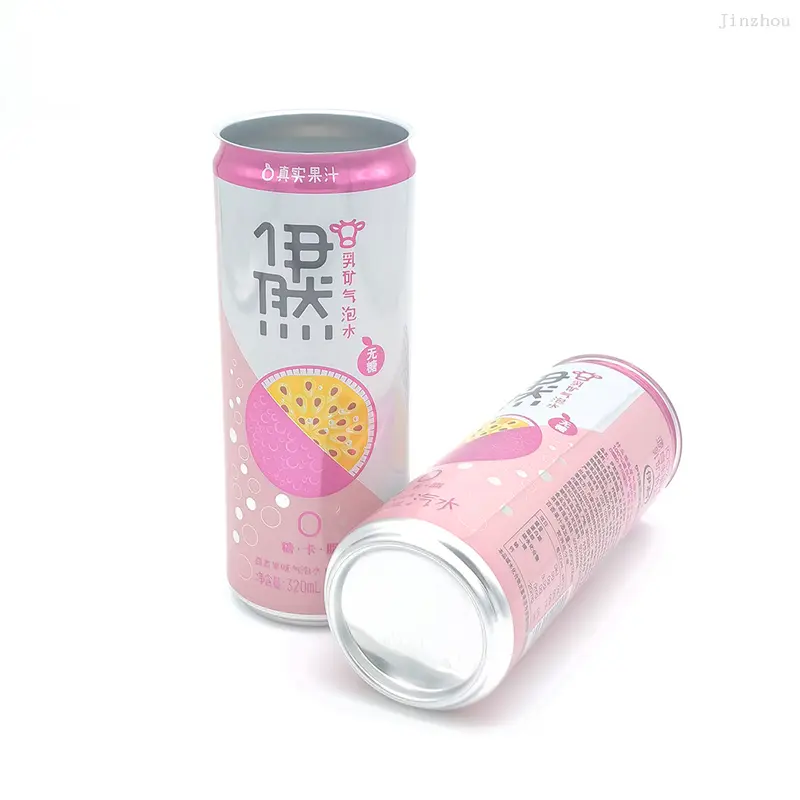
Jinzhou offers unique products, such as their sleek, recyclable 330ml aluminum cans. These products provide cost-effective, sustainable solutions, helping beverage brands meet market demands and optimize operations for future success.
FAQ
Q: What is the role of Beverage Cans in the beverage industry?
A: Beverage cans are essential for packaging drinks. They provide convenience, portability, and sustainability, particularly with aluminum beverage cans being 100% recyclable.
Q: Why are Aluminum Beverage Cans a popular packaging choice?
A: Aluminum beverage cans are lightweight, cost-effective, and eco-friendly. They are widely used for their recyclability, which aligns with the growing consumer demand for sustainable packaging.
Q: How can beverage companies overcome economic pressures?
A: Companies can optimize supply chains, adopt automation, and use efficient packaging like aluminum beverage cans to reduce costs and meet sustainability goals.
Q: What are the benefits of using Aluminum Beverage Cans for new beverage products?
A: Aluminum beverage cans are perfect for preserving drink quality and offering a premium, sustainable image, attracting health-conscious and eco-friendly consumers.