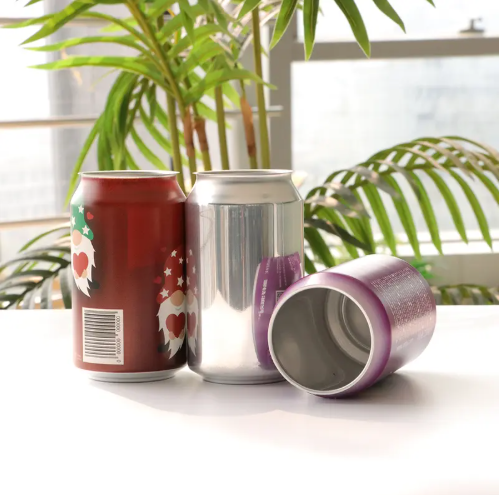
Did you know that the size of a beverage can influences not only the product's appeal but also its market success? The right can size can define a brand’s image and affect consumer choice.
In this article, we will explore how beverage can sizes impact branding, consumer preferences, and logistics. You will learn about the most popular sizes and their strategic importance in the beverage industry.
Understanding Beverage Can Sizes
Key Factors That Determine Can Sizes
Choosing the right can size involves considering several key factors that affect both the beverage and its consumer market. These include:
Consumer Preferences: Beverage cans come in different sizes to cater to varying consumer needs. Smaller sizes often appeal to consumers seeking portion control, while larger cans are ideal for sharing or when value is emphasized. The right size can reinforce a brand's image, whether it’s premium, health-conscious, or convenient.
Product Types: The type of beverage also plays a critical role in selecting can size. For example, energy drinks often come in smaller, portable cans, while craft beers and soft drinks tend to use standard or larger formats.
Market Trends and Branding: Trends in consumer behavior, such as the rise of health-focused beverages and functional drinks, influence packaging choices. Slim cans, for example, have gained popularity with drinks like kombucha and hard seltzers, aligning with a health-conscious image.
Standard Beverage Can Sizes: A Breakdown
Here’s a breakdown of the most common beverage can sizes and the typical uses for each:
7.5 oz Mini Can: Often used for low-calorie sodas, kids' drinks, and sugar-free beverages.
8.4 oz Energy Can: The go-to size for energy drinks, offering a sleek and portable option for on-the-go consumption.
12 oz Standard Can: The most widely used can size, perfect for sodas, beers, iced teas, and sparkling waters.
12 oz Slim Can: A taller, slimmer version of the 12 oz can, ideal for drinks like hard seltzers and kombucha.
16 oz Tallboy: Popular for craft beers and iced coffees, providing a larger serving.
19.2 oz Stovepipe: A unique format used for beers, commonly seen in convenience stores.
24 oz Oil Can: Designed for mainstream beers and value-priced beverages.
32 oz Crowler: A large format used for fresh draft beers, typically sealed at the brewery.
64 oz Growler: Used for group consumption, especially for craft beers and taproom sales.
Why Size Matters in Beverage Packaging
The size of a beverage can is not just about volume. It also affects the following:
| Brand Positioning | Smaller cans are often associated with health-conscious, premium, and portion-controlled beverages. Larger cans tend to signify value, group consumption, or indulgence. |
| Product Freshness | Smaller cans generally offer better product integrity as they expose less liquid to air, preserving freshness. Larger cans, while often practical, may have issues with oxidation. |
| Convenience and Portability | Convenience is key, especially with on-the-go beverages like energy drinks. Smaller cans are easy to carry and consume quickly, while larger cans are designed for longer drinking occasions, like sharing or casual drinking. |
Exploring the Most Popular Beverage Can Sizes
The 7.5 oz Mini Can
Mini cans are commonly used for low-calorie and health-conscious drinks. Their compact size makes them perfect for vending machines, kids' drinks, or low-sugar beverages. They cater to consumers who want to control their portions or enjoy a light, refreshing drink without overconsumption.
Key Features: Convenient for quick consumption, lightweight, portable.
Common Uses: Low-calorie sodas, children's beverages, functional drinks.
The 12 oz Standard Can
The 12 oz can is the industry standard and a staple in the beverage market. It’s widely used for sodas, beers, iced teas, and sparkling waters. This can size offers versatility, with enough volume to satisfy most consumers while being easy to handle and store.
Key Features: Versatile, widely recognized, compatible with most production lines.
Common Uses: Soft drinks, beers, teas, and sparkling waters.
The 16 oz Tallboy / Pint Can
The 16 oz can, commonly known as a tallboy, has gained popularity in the craft beer industry. It provides a larger serving, often chosen for premium or creative labeling purposes. This size is also popular with iced coffees and energy drinks that are marketed as offering more value or larger servings.
Key Features: Larger capacity, ample label space, ideal for premium branding.
Common Uses: Craft beers, iced coffee drinks, premium energy drinks.
The 24 oz Oil Can
Larger cans, like the 24 oz oil can, are typically used for mass-market beverages. They appeal to consumers looking for larger servings at a more affordable price. These cans are commonly found in convenience stores and warehouse retailers, where value is emphasized.
Key Features: High volume, cost-effective, bulk packaging.
Common Uses: Mainstream beers, value-priced drinks.

Beverage Can Sizes by Category
Soft Drinks
For soft drinks, the 12 oz can remains dominant due to its balance of volume and portability. Mini cans (7.5 oz to 8.4 oz) have also gained popularity, offering portion control for consumers who want to limit their sugar intake or calorie consumption.
Energy Drinks
Energy drinks often come in 8.4 oz or 12 oz slim cans. The slim design makes these cans portable and trendy, aligning with the fast-paced lifestyle of many energy drink consumers. Slim cans also help the brand stand out visually on crowded shelves.
Craft Beers
Craft breweries tend to use the 12 oz and 16 oz can sizes, offering a balance between volume and branding space. In recent years, the 19.2 oz stovepipe can has also gained popularity, offering a premium and larger option for craft beer drinkers.
Functional Beverages (CBD, Adaptogens)
Functional beverages, like CBD-infused drinks and adaptogen-infused waters, typically use 8 oz to 12 oz slim cans. These sizes appeal to consumers seeking wellness-oriented beverages with controlled serving sizes and premium branding.
Can Size Selection: Strategic Considerations
Branding and Perceived Value
Can size plays a critical role in how a brand is perceived by consumers. Smaller cans, like the 7.5 oz or 8.4 oz sizes, suggest premium quality and health-consciousness, while larger cans, such as 16 oz or 24 oz, align with value-oriented brands that focus on larger servings at a lower price point.
Regulatory Compliance and Product Integrity
Different beverage categories face varying regulations regarding serving sizes. For instance, alcohol and CBD drinks often have strict legal limits on servings, making smaller cans more compliant with these regulations. Additionally, smaller cans often help preserve product integrity by limiting exposure to air, thus maintaining freshness.
Visibility and Shelf Presence
The size of a can significantly impacts its visibility on shelves. Slim cans and tallboys are designed to stand out, offering ample space for creative labels and branding. Larger cans, while bulky, can be placed strategically in high-traffic areas to attract attention.
Environmental and Logistical Considerations
Sustainability in Beverage Cans
Aluminum cans are highly recyclable, making them a more sustainable packaging choice compared to glass or plastic. Additionally, the compact design of smaller cans helps reduce material usage and transportation emissions.
Logistics and Shipping Efficiency
The size and shape of a beverage can directly impact shipping costs. Smaller cans, such as 12 oz and slim cans, offer greater shipping efficiency, allowing for higher quantities per pallet. Larger cans may incur additional costs due to their bulkier size and lower shipping efficiency.
Impact on Production and Manufacturing
Larger cans may require more complex production processes, including specialized filling equipment and additional quality control measures. Smaller cans, on the other hand, are often easier and more cost-effective to produce.
Conclusion
Selecting the right beverage can size is a strategic decision that shapes branding, consumer perception, and logistics. Understanding the factors that influence can sizes, such as consumer preferences and regulatory compliance, allows beverage companies to align their packaging with brand identity and goals. Jinzhou offers unique products, like the 330ml Fluorescent Glossy Beverage Aluminum Cans, that combine functionality and market appeal, providing efficient packaging solutions for businesses.
FAQ
Q: What are the most common beverage can sizes?
A: The most common beverage can sizes include 7.5 oz, 12 oz, 16 oz, and 24 oz. Each size is suited for different types of beverages, from energy drinks to craft beers.
Q: How does can size affect branding?
A: The size of a beverage can plays a significant role in branding. Smaller cans often indicate premium, health-conscious products, while larger cans can communicate value and shareability.
Q: Why is can size important in beverage packaging?
A: Can size impacts consumer perception, product freshness, and logistics. It ensures the right balance between branding and operational efficiency, affecting distribution and market appeal.
Q: What size should I choose for my beverage product?
A: The best size depends on your target market and beverage type. For example, 12 oz is common for sodas, while slim cans are ideal for functional drinks and energy beverages.
Q: How does beverage can size affect shipping costs?
A: Smaller cans, like 12 oz, are more efficient for shipping, allowing for more units per pallet. Larger cans may increase shipping costs due to lower storage efficiency.