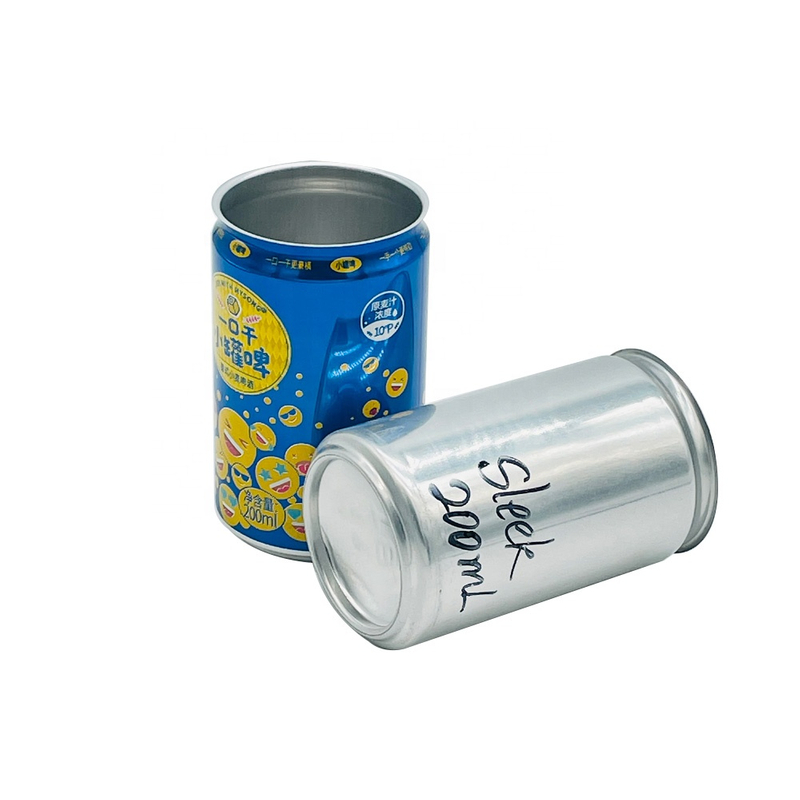
In today's environmentally conscious world, the choice of packaging materials plays a crucial role in sustainability. Aluminium cans have emerged as a leading option for beverage packaging, offering numerous environmental benefits. From their exceptional recyclability and energy efficiency to their lightweight nature and ability to preserve beverage quality, aluminium cans present a compelling case for businesses looking to reduce their carbon footprint. This article explores the various advantages of aluminium cans, highlighting why they should be the preferred choice for beverage packaging in the modern market.
Environmental Benefits of Aluminium Cans
Recyclability and Energy Efficiency
Aluminium cans shine in recyclability. They are made from a single material, which means recycling is straightforward. Unlike mixed-material packaging, aluminium cans don’t need separation before recycling. This saves time and energy. Recycling aluminium uses up to 95% less energy than producing new aluminium from ore. This massive energy saving means less fuel burned, fewer emissions released, and a smaller environmental footprint. Plus, aluminium can be recycled endlessly without losing quality, creating a true closed-loop system.
Reduction in Greenhouse Gas Emissions
Using recycled aluminium drastically cuts greenhouse gas emissions. Producing new aluminium involves mining bauxite, refining, and smelting, which are energy-intensive and emit significant CO₂. Recycling skips these steps, using far less energy and producing fewer emissions. This helps fight climate change by reducing the carbon footprint of beverage packaging. Moreover, lighter aluminium cans reduce fuel consumption during transport, further lowering emissions.
Mono-Material Advantage
Aluminium cans are mono-material packaging, meaning they consist only of aluminium. This is a big advantage for recycling. Mixed materials, like plastic-lined cartons or multi-layered bottles, require complex processes to separate components. Aluminium cans avoid this, making them easier and more cost-effective to recycle. This simplicity boosts recycling rates and reduces waste sent to landfills. It also helps recycling facilities operate more efficiently, benefiting the entire supply chain.
Choosing aluminium cans for beverage packaging supports sustainable practices by enabling efficient recycling and significantly cutting energy use and emissions.
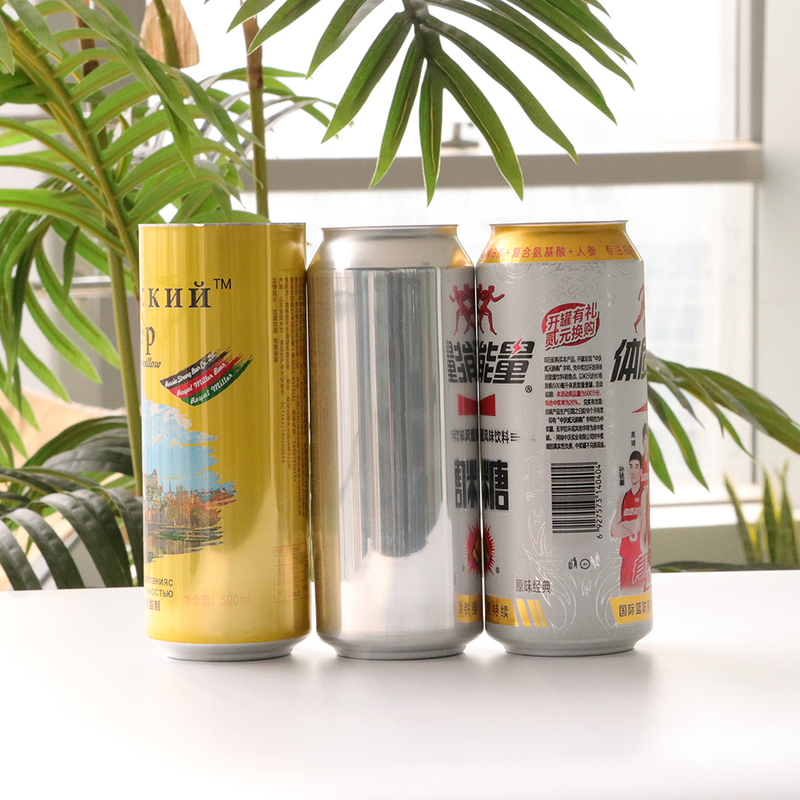
Transport Efficiency of Aluminium Cans
Lightweight Nature
Aluminium cans are incredibly light compared to other packaging options like glass bottles. This lightweight nature means more cans fit into each shipment, reducing the number of trips needed to transport the same volume of beverages. Fewer trips lead to lower fuel consumption and less wear and tear on transport vehicles. For beverage companies, this translates to cost savings in shipping and handling. Plus, lighter packaging makes it easier for workers to handle and stack products during loading and unloading.
Durability in Transportation
Despite being lightweight, aluminium cans are strong and durable. They resist dents and damage better than glass, which can break easily. This durability reduces product losses during transport, ensuring more beverages reach stores in perfect condition. Aluminium cans also withstand pressure changes during air or long-distance transport without bursting or deforming. This reliability helps maintain product quality and reduces the risk of costly returns or waste.
Impact on Transportation Emissions
Because aluminium cans weigh less and can be packed efficiently, transportation emissions drop significantly. Trucks can carry more cans per load, meaning fewer trips and less fuel burned overall. This lowers greenhouse gas emissions linked to shipping, contributing to a smaller carbon footprint for beverage companies. Additionally, the compact shape of cans allows for better stacking and space use in shipping containers, further improving transport efficiency. Choosing aluminium cans helps companies meet sustainability goals by cutting emissions throughout the supply chain.
Optimize your logistics by switching to aluminium cans—they reduce shipping weight and volume, lowering fuel costs and carbon emissions.
Preservation of Beverage Quality
Corrosion Resistance
Aluminium cans offer excellent corrosion resistance. Unlike other materials, aluminium naturally forms a thin oxide layer that protects the metal from reacting with the beverage inside. This means the can won’t rust or degrade over time, preserving the drink’s original flavor and safety. This property is especially important for acidic drinks like soda or beer, which can react with less resistant packaging materials and spoil faster. Aluminium cans maintain the integrity of the beverage, ensuring consumers enjoy the product as intended.
Protection from Sunlight and Oxygen
One of the biggest threats to beverage quality is exposure to sunlight and oxygen. Light can cause chemical reactions in drinks, leading to off-flavors and nutrient loss. Oxygen can cause oxidation, which spoils taste and aroma. Aluminium cans provide a 100% barrier against both light and oxygen. This complete protection helps extend shelf life and keeps beverages fresh longer. For example, beer cans protect hops’ delicate flavors from sunlight’s harmful effects, preventing “skunky” tastes. This makes aluminium cans ideal for packaging beverages sensitive to light and air.
Cooling Properties of Aluminium
Aluminium conducts heat very efficiently, making cans cool down faster than other packaging types. When you put a cold can in the fridge or cooler, the beverage inside chills quickly. This rapid cooling enhances the drinking experience, especially for products like soda, beer, or sparkling water, where temperature impacts taste. Additionally, aluminium cans help keep drinks cold longer once removed from the fridge. This advantage means consumers can enjoy their beverages at the right temperature for extended periods, improving satisfaction and repeat purchases.
Use aluminium cans to ensure your beverages stay fresh, flavorful, and perfectly chilled, enhancing customer satisfaction and brand loyalty.
Customization and Marketing Opportunities
Design Flexibility
Aluminium cans offer incredible design flexibility. Their smooth, cylindrical surface allows for full 360-degree printing, making it easy to apply vibrant colors, intricate patterns, or bold graphics. This versatility lets brands create eye-catching packaging that stands out on shelves. Unlike glass bottles or plastic containers, aluminium cans can be decorated using various techniques like digital printing, embossing, or matte and glossy finishes. This means you can tailor the look to match your brand identity or seasonal promotions without compromising the can’s integrity.
Branding Potential
Because aluminium cans catch consumers’ attention quickly, they’re excellent for branding. You can use the entire can as a canvas to tell your brand story, highlight key product features, or promote limited-edition campaigns. The metal surface reflects light, enhancing colors and making designs pop. This helps products attract more buyers in competitive markets. Moreover, aluminium cans appeal to eco-conscious consumers who prefer sustainable packaging, adding an extra positive message to your brand image. Brands often leverage this by including recycling information or sustainability claims directly on the can.
Variety in Sizes and Shapes
Aluminium cans come in a wide range of sizes and shapes, offering flexibility to suit different beverage types and consumer preferences. From slim 250 ml energy drink cans to larger 500 ml or even 1-liter cans, there’s an option for every market segment. Specialty shapes like sleek tall cans or squat stubby cans provide unique shelf presence and ergonomic benefits for consumers. This variety allows beverage companies to innovate and diversify their product lines while maintaining consistent packaging quality and recyclability. It also helps target different occasions, from on-the-go consumption to sharing sizes for social events.
Leverage aluminium cans’ design flexibility and variety to create distinctive, sustainable packaging that boosts brand recognition and connects with eco-aware consumers.
Economic Impact of Aluminium Recycling
High Scrap Value
Aluminium scrap holds significant monetary value, making it a valuable resource in the recycling market. This high scrap value incentivizes individuals and businesses to collect and recycle aluminium cans rather than discard them. As a result, more aluminium enters the recycling stream, reducing waste in landfills and conserving natural resources. The financial appeal of aluminium scrap also supports local recycling programs and encourages investment in recycling infrastructure, creating a positive feedback loop that benefits the entire supply chain.
Growth in Recycling Industry
The demand for recycled aluminium fuels growth in the recycling industry. Recycling plants expand to meet the need for processing used cans, which creates jobs and stimulates economic activity. This industry growth not only supports workers but also drives innovation in recycling technologies, making the process more efficient and less energy-intensive. Furthermore, the recycling sector’s expansion helps communities by reducing waste management costs and promoting environmental awareness. As more companies adopt aluminium cans, the recycling industry’s role becomes even more critical in sustaining this supply chain.
Contribution to Circular Economy
Aluminium recycling is a prime example of a circular economy in action. Instead of following a linear “take-make-dispose” model, aluminium cans are continuously recycled into new cans. This closed-loop system minimizes resource extraction and energy use, reducing environmental impact while supporting economic sustainability. By reusing aluminium repeatedly, companies lower production costs and reduce dependence on raw materials. This circular approach also helps companies meet sustainability targets and regulatory requirements, enhancing their corporate social responsibility profile. Ultimately, aluminium recycling fosters a resilient economy that benefits businesses, consumers, and the planet.
Leverage the high scrap value of aluminium cans to boost your company’s sustainability efforts and reduce packaging costs through effective recycling partnerships.

Comparison with Other Packaging Materials
Aluminium vs. Plastic
Aluminium cans outperform plastic in many ways. First, aluminium is infinitely recyclable without losing quality, while plastic often degrades after recycling. This means plastic tends to end up in landfills or oceans, causing pollution. Aluminium recycling uses far less energy than producing new aluminium, whereas plastic recycling is less efficient and often downcycled into lower-quality products. Also, aluminium cans provide a complete barrier against light and oxygen, preserving beverage quality better than plastic bottles, which can allow some air or light through. Furthermore, aluminium cans are lighter than glass but stronger than plastic, reducing damage during transport. Choosing aluminium over plastic means less environmental harm and longer-lasting packaging.
Aluminium vs. Glass
Glass bottles have been a traditional choice for beverages. However, aluminium cans offer several advantages. They weigh much less than glass, which cuts transportation emissions and costs significantly. Glass is fragile and breaks easily, leading to product loss and safety issues, while aluminium cans resist dents and damage. Glass is recyclable but requires more energy to process compared to aluminium. Also, aluminium cools beverages faster than glass, enhancing consumer experience. On the downside, glass can be reused multiple times if collected properly, but this reuse system is complex and less common. Aluminium’s easier recycling and transport benefits make it a more sustainable and practical option for many beverage companies.
Overall Carbon Footprint
When comparing the carbon footprints of aluminium, plastic, and glass packaging, aluminium cans often come out ahead. Producing new aluminium is energy-intensive, but using recycled aluminium slashes energy use by up to 95%. Plastic production and disposal generate significant greenhouse gases and pollution. Glass production also requires high energy, especially for melting and molding. Transport emissions matter too—aluminium cans’ lightweight design means fewer trips and less fuel burned. Plus, aluminium’s high recycling rate helps close the loop, reducing the need for raw materials. Overall, aluminium cans offer a lower carbon footprint over their entire life cycle, making them a top choice for eco-conscious brands aiming to reduce environmental impact.
When choosing packaging, prioritize aluminium cans for their superior recyclability, transport efficiency, and lower carbon footprint compared to plastic and glass alternatives.
Conclusion
Aluminium cans offer exceptional recyclability, energy efficiency, and reduced emissions. They are lightweight, durable, and preserve beverage quality. As the future of beverage packaging, aluminium cans provide a sustainable, efficient option. Shandong Jinzhou Health Industry Co.,Ltd. leverages these benefits, offering products that enhance brand recognition and eco-friendly practices. Aluminium cans are ideal for companies seeking to reduce their environmental impact and improve logistics. Embrace aluminium cans for their superior qualities and sustainability advantages, benefiting both businesses and the planet.
FAQ
Q: What is an Aluminum Can?
A: An Aluminum Can is a lightweight, recyclable container used for packaging beverages, offering benefits like energy efficiency and reduced emissions.
Q: How does using Aluminum Cans benefit the environment?
A: Aluminum Cans are highly recyclable, using 95% less energy than new production, reducing greenhouse gases, and supporting a circular economy.
Q: Why choose Aluminum Cans over plastic?
A: Aluminum Cans are infinitely recyclable without quality loss, provide better protection against light and oxygen, and have a lower carbon footprint than plastic.
Q: Are Aluminum Cans cost-effective for transport?
A: Yes, their lightweight nature reduces shipping costs and emissions, making them a cost-effective choice for beverage companies.