Views: 0 Author: Site Editor Publish Time: 2026-11-17 Origin: Site
Custom printed aluminum beverage cans cost depends on the can specification, decoration method, quantity per design and delivery requirements. This guide covers new, empty beverage cans purchased for filling—not scrap aluminum, used-can recycling prices or the cost of a finished drink.
There is no single reliable price for every custom can order. A body-only factory quotation is different from a delivered package that includes matching ends, printing, setup charges and export packing. To obtain a useful aluminum can cost, define the complete specification and compare the same supply scope.
Start by separating recurring costs per can from one-time project charges and shipment costs.
Table of Contents
Toggle
1. What Makes Up the Cost of a Beverage Can?
Understand the basic cost components
The can body price reflects more than the aluminum itself. Forming, internal coating, exterior preparation, inspection and handling also contribute to the supplied product. Decoration, matching ends and packing may be included or quoted separately.
Cost Component
What to Clarify in the Quotation
Can body
Capacity, profile, approved specification and included coatings
Decoration
Printing or labeling method, artwork count, finish and application
Can ends
Matching end specification, quantity, opening style and customization
Project setup
Artwork preparation, plates where applicable, samples and special tooling
Packing
Pallets, layer pads, protection and any special packing requirements
Delivery
Transport, handling, insurance and destination charges within the agreed scope
Compare can profiles and capacities fairly
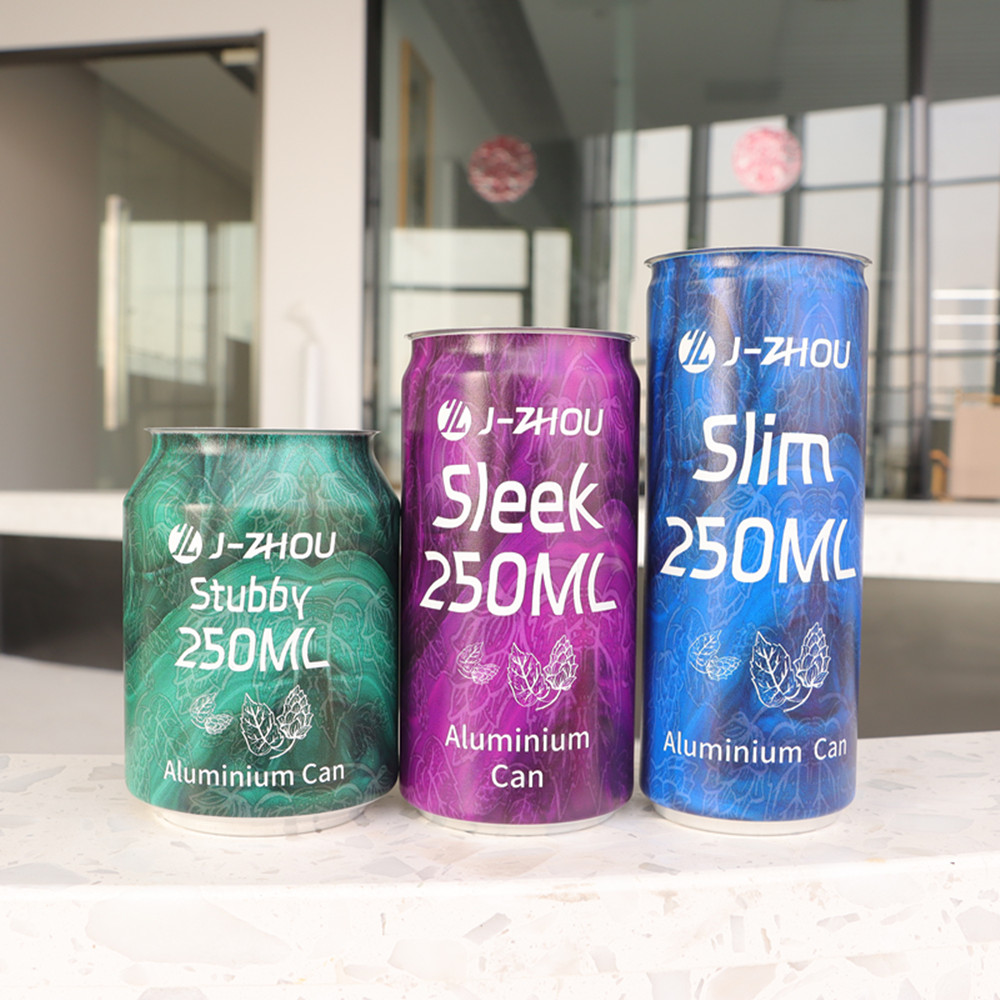
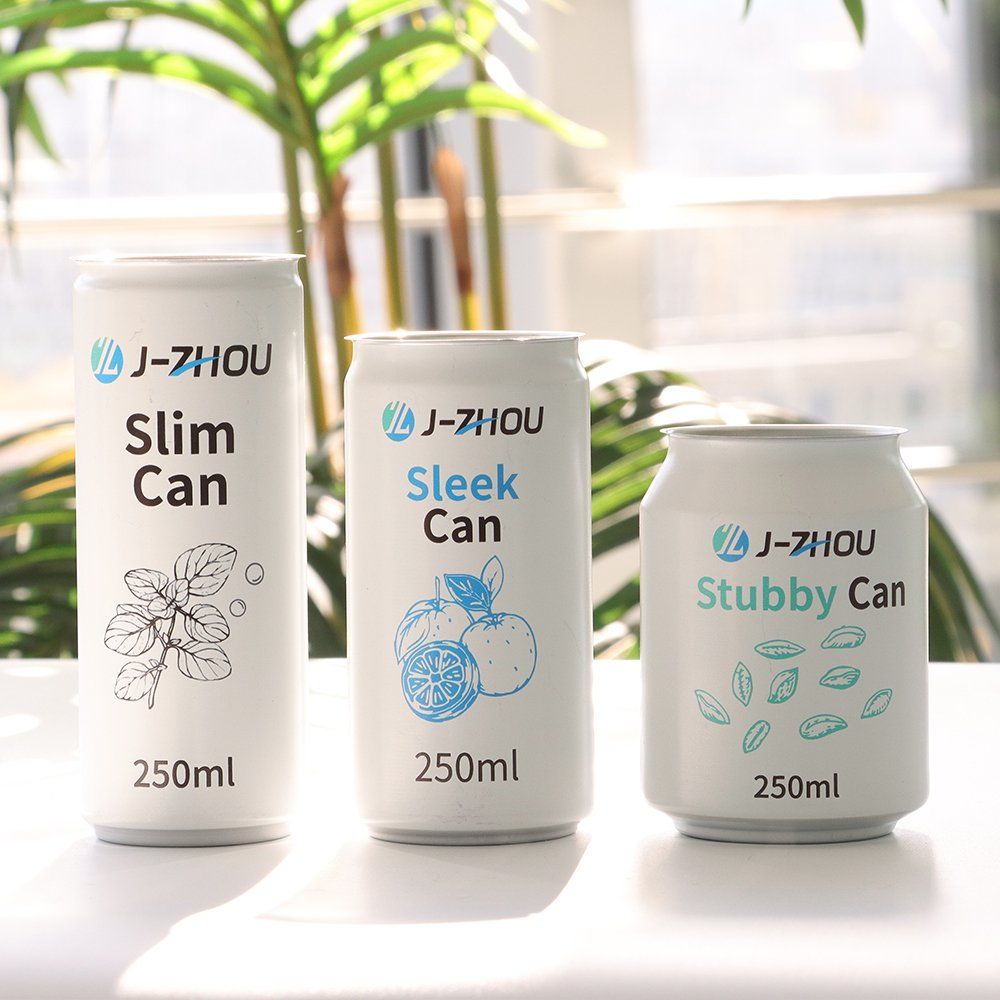
A smaller can is not automatically cheaper. Material requirements matter, but so do the available production format, order volume, decoration process and packing arrangement. Standard, slim and sleek cans should be quoted as defined products rather than compared by capacity alone.
Use the beverage can sizes guide to shortlist a format. Then request prices against the exact drawing or product specification.
When comparing wholesale aluminum cans, confirm whether each price is per can body, per body-and-end set or per thousand units.
The same nominal capacity can use different profiles. Compare quotations against a defined format.
2. How Printing Method, MOQ and Order Quantity Affect Price
Compare complete decoration costs
Aluminum can printing cost depends on the process, artwork requirements, finish and production run. Avoid assuming that one method is always the cheapest.
Decoration Route
Main Cost Questions
Conventional direct printing
What setup, plate and changeover charges apply? What quantity is required per artwork?
Digital direct printing
Which formats and finishes are available? What preparation and per-can charges apply?
Pressure-sensitive labels
Does the price include blank cans, labels, application, handling and inspection?
Shrink sleeves
Are sleeve production, application, shrinking and process trials included?
Labels and sleeves are decoration alternatives, not direct printing. If a supplier proposes them, compare the complete decorated-can cost and confirm suitability for your filling process and destination recycling requirements.
For a detailed process overview, see the custom printed can printing and MOQ guide. Ask which options are available for your specific Jinzhou order rather than assuming every process is offered for every format.
Check quantity per design, not only total quantity
An order split across several flavors or artworks may involve separate setups and minimums. A combined order total does not necessarily qualify each design for the same price tier.
Ask whether MOQ applies per can size, artwork, finish, production run or shipment. Also clarify permitted overproduction or underproduction and how the invoiced quantity will be determined.
Balance unit price against inventory exposure
Larger runs can spread fixed charges across more cans, but purchasing more bulk aluminum cans also ties up cash and storage. Artwork changes or slow sales can leave unused stock.
Request price tiers for realistic quantities. Compare the initial order and a repeat order separately, including any setup charges that may recur.
3. Ends, Coatings, Packing and One-Time Charges
Matching ends and internal coatings
Confirm whether the custom aluminum cans price includes matching ends. End profile, opening style, tab decoration and separate packing can change the quotation.
Review the selected aluminum can ends together with the body and seaming requirements. A nominal end-size code alone is not enough to establish compatibility.
The internal coating must suit the beverage and processing conditions. Provide relevant formulation information, carbonation and thermal-process requirements. Do not accept an unsuitable coating simply because it reduces the quoted price.
Design, samples and tooling
Separate artwork adaptation, color matching, physical proofs and production samples in the quotation. Clarify whether samples are undecorated stock cans, printed appearance samples or production-representative samples, and whether courier charges apply.
A logo change on an existing can format does not automatically require a new body mold. Ask what tooling is genuinely needed, who owns it, whether it can be reused and when charges apply again.
Use the supplier’s approved artwork template before design sign-off. The Crown artwork template library illustrates why layouts are format-specific; it does not replace the template for the actual Jinzhou can.
Packing and special handling
Ask whether the quoted price includes pallets, layer pads, wrapping, edge protection and any destination-specific packing requirements. Special cartons, mixed-format shipments or additional handling should be identified before order approval.
Can profile and decoration requirements should be fixed before comparing complete package prices.
4. Calculate Shipping and Delivered Cost
Request a format-specific loading plan
Empty beverage cans occupy substantial space relative to their weight. Freight per can depends on pallet dimensions, cans per layer, layers per pallet and the usable shipment quantity.
Do not assume a container holds the same number of 250ml slim, 330ml standard and 355ml sleek cans. Request the actual packing and loading proposal, including how separately packed ends will be shipped.
Use the same delivery basis
A factory collection price and a destination-delivered price cover different responsibilities. Record the agreed trade term, edition and named location, and identify charges outside the supplier’s scope.
The ICC Incoterms checklist can support the discussion with your logistics provider. Compare quotations on one agreed basis before deciding which offer is less expensive.
Compare cost per usable can
Delivered cost per usable can = total agreed procurement and delivery costs ÷ usable cans received.
Include applicable body, decoration, end, setup, packing and logistics charges without counting an included item twice. Identify duties, taxes and destination fees separately where relevant.
A lower purchase price may not produce a lower usable-can cost if transit damage, incompatible components or decoration defects reduce the quantity available for filling.
5. Request an Accurate Quote Without Sacrificing Quality
Send a complete RFQ
To obtain a meaningful aluminium can price, send the same information to each supplier:
Can capacity, profile and drawing or required dimensions.
Beverage type, relevant formulation details and processing conditions.
Initial quantity, repeat-order forecast and quantity per artwork.
Preferred decoration method, finish and artwork status.
Matching end requirements and filling-line information.
Sample, testing and documentation requirements.
Packing requirements, destination and requested delivery basis.
Required delivery date and any planned split shipments.
Ask for unit pricing, separately charged items, quote validity, payment terms and lead-time assumptions. Jinzhou’s custom beverage can range provides a starting point for defining the format.
Keep essential quality requirements
Cost reduction should preserve the approved dimensions, can-and-end compatibility, coating suitability, seam quality and structural performance required for the application.
Also agree on print acceptance, barcode readability, handling protection, traceability and treatment of nonconforming goods. A digital artwork proof confirms layout; it does not establish coating compatibility or finished-package performance.
Useful savings may come from selecting an existing format, reducing unnecessary artwork variants, avoiding late design changes and improving shipment planning. Evaluate these options before changing performance requirements.
FAQ
Q: How much does one custom printed aluminum beverage can cost?
A: There is no universal unit price. Request a quotation that defines the body, decoration, end, quantity per design, setup charges and delivery scope. A body-only price cannot be compared directly with a delivered body-and-end package.
Q: Are smaller beverage cans always cheaper?
A: No. Capacity is only one factor. Format availability, production volume, decoration, packing and freight can change the result. Compare equivalent specifications at the same order quantity.
Q: Is digital printing cheaper than conventional direct printing?
A: It depends on the artwork, quantity, format and supplier. Compare total setup and production charges for the actual order instead of assuming one method always costs less.
Q: Does a bulk order reduce the price of every design?
A: Not necessarily. Minimums and price tiers may apply per artwork or production run. Ask how the supplier treats several designs within one purchase order.
Q: What extra charges should I check before ordering?
A: Confirm ends, artwork preparation, applicable tooling or plates, samples, courier fees, packing, freight and destination charges. Ask which items are included and which may recur on repeat orders.