Contents
Introduction
Understanding What “Standard Can Size” Really Means
Why the 250ml standard can Is Widely Recognized Globally
Comparing the Most Common Can Sizes in the Beverage Industry
Functional Advantages of the 250ml standard can for beverages
Material and Design Factors: Aluminum as the Industry Norm
Regional Consumption Habits and Their Impact on Standardization
Conclusion
FAQ
Introduction
Standardization plays a critical role in modern beverage packaging, influencing everything from consumer experience to logistics efficiency and sustainability. Among various container formats, aluminum cans have emerged as the dominant solution due to their durability, recyclability, and compatibility with high-speed filling lines. Within this category, certain sizes are repeatedly adopted across markets and product types, leading to the concept of a “standard can size.” Understanding which size is most common—and why—requires examining consumption behavior, production efficiency, material usage, and global distribution norms. This article focuses on identifying the most widely accepted standard can size, with particular emphasis on the 250ml standard can and its role in today’s beverage ecosystem.
Understanding What “Standard Can Size” Really Means
A standard can size is not defined by a single global authority but rather by widespread industry adoption, manufacturing compatibility, and consumer familiarity. In practice, a can becomes “standard” when it is repeatedly used across multiple beverage categories, regions, and filling systems without requiring customization or special handling. The most common standard can size is therefore the one that balances volume, cost, convenience, and efficiency most effectively.
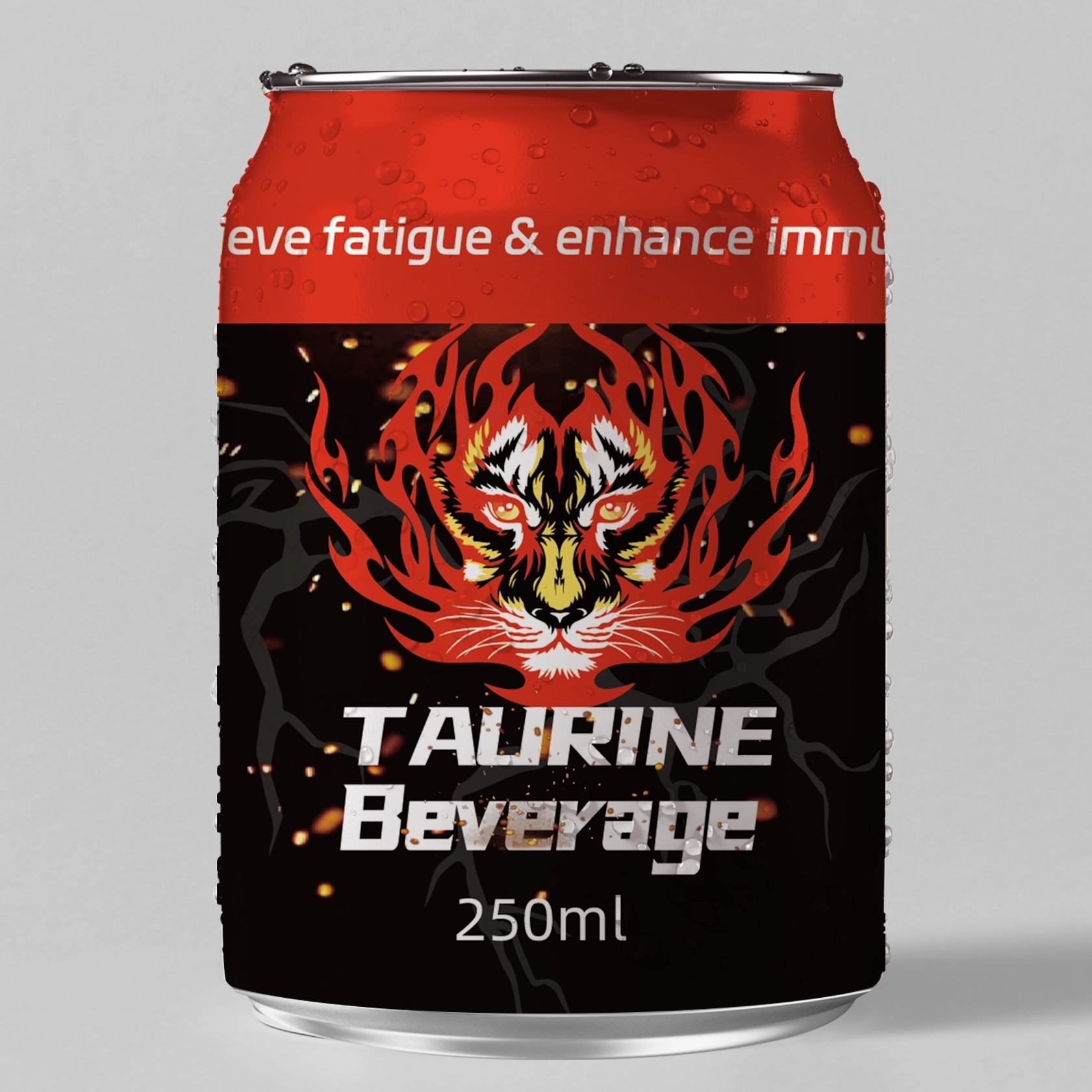
In the global beverage market, aluminum cans dominate shelf space, and within this category, a limited number of volumes recur consistently. These include 250ml, 330ml, and 355ml, each serving specific consumption scenarios. Among them, the 250ml standard can stands out due to its versatility across carbonated drinks, functional beverages, energy drinks, and premium offerings. Its dimensions are optimized for modern aluminum forming processes, making it highly compatible with automated production lines and secondary packaging systems.
From a logistical perspective, standardization reduces transportation inefficiencies and storage complexity. Warehouses, pallets, and retail displays are often designed around the most common can formats. This reinforces the dominance of certain sizes, especially the 250ml standard can, which fits seamlessly into global supply chains without requiring region-specific modifications.
Why the 250ml standard can Is Widely Recognized Globally
The 250ml standard can has gained global recognition because it aligns closely with evolving consumer preferences and regulatory considerations. As portion control and mindful consumption become more prominent, smaller serving sizes are increasingly favored. A 250ml volume delivers a complete, satisfying beverage experience without excess, making it suitable for a wide range of drink types.
From a manufacturing standpoint, the 250ml standard can offers excellent material efficiency. Compared to larger formats, it requires less aluminum per unit while maintaining structural integrity. This makes it particularly attractive for premium beverage positioning, where sleek design, controlled portions, and perceived quality are more important than sheer volume.
Another key factor is international compatibility. In many regions, 250ml aligns neatly with metric measurement systems, simplifying labeling and compliance. This makes it easier for beverage producers to distribute products across borders without adjusting packaging formats. As a result, the 250ml standard can for beverages has become a default choice for companies seeking scalable, export-ready packaging solutions.
Comparing the Most Common Can Sizes in the Beverage Industry
To clearly identify the most common standard can size, it is useful to compare the most widely used formats based on practical criteria such as usage scenarios, consumer perception, and logistical efficiency.
| Can Size | Typical Use Cases | Market Position | Key Characteristics |
| 250ml | Energy drinks, functional drinks, premium beverages | Global standard | Compact, efficient, portion-controlled |
| 330ml | Carbonated soft drinks | Regional standard | Balanced volume, familiar format |
| 355ml | Soft drinks in certain markets | Market-specific | Slightly larger serving size |
While 330ml and 355ml cans remain common in specific regions, the 250ml standard can is increasingly favored across multiple categories. Its adaptability allows it to serve both mainstream and premium beverage segments, whereas larger sizes are often confined to traditional soft drink consumption patterns.
The table illustrates that frequency of use across diverse beverage types—not just volume sold—is a critical factor in determining what qualifies as the most common standard can size. By this definition, 250ml holds a clear advantage.
Functional Advantages of the 250ml standard can for beverages
Functionality is one of the strongest arguments for why the 250ml standard can for beverages is so widely adopted. Its compact size improves handling for consumers while also optimizing secondary packaging configurations such as multipacks and cartons. Retailers benefit from improved shelf density, and consumers benefit from easier portability.
Thermal performance is another advantage. Smaller aluminum cans chill faster and maintain temperature more effectively once opened. This enhances the drinking experience, particularly for beverages intended to be consumed cold. The Aluminum structure ensures rapid heat transfer, while the reduced liquid volume minimizes temperature fluctuation during consumption.
In addition, the 250ml standard can supports modern lifestyle trends such as on-the-go consumption and single-serve convenience. It fits easily into bags, cup holders, and vending machines, reinforcing its role as a practical everyday format. These functional benefits explain why the size continues to expand beyond niche applications into mainstream beverage categories.
Material and Design Factors: Aluminum as the Industry Norm
Material choice is inseparable from can size standardization. Aluminum—particularly Silver Aluminum finishes—has become the dominant material due to its lightweight nature, corrosion resistance, and infinite recyclability. The 250ml standard can is specifically optimized for aluminum forming, striking an ideal balance between wall thickness, pressure resistance, and material usage.
Design consistency also plays a role. Standard diameters and heights allow filling equipment, lids, and secondary packaging systems to operate at maximum efficiency. The 250ml format aligns with these established design parameters, reducing the need for tooling changes or production downtime.
From a sustainability perspective, smaller aluminum cans reduce total material consumption per serving while maintaining recyclability. This reinforces the position of the 250ml standard can as a forward-looking solution that aligns with both environmental and economic priorities.
Regional Consumption Habits and Their Impact on Standardization
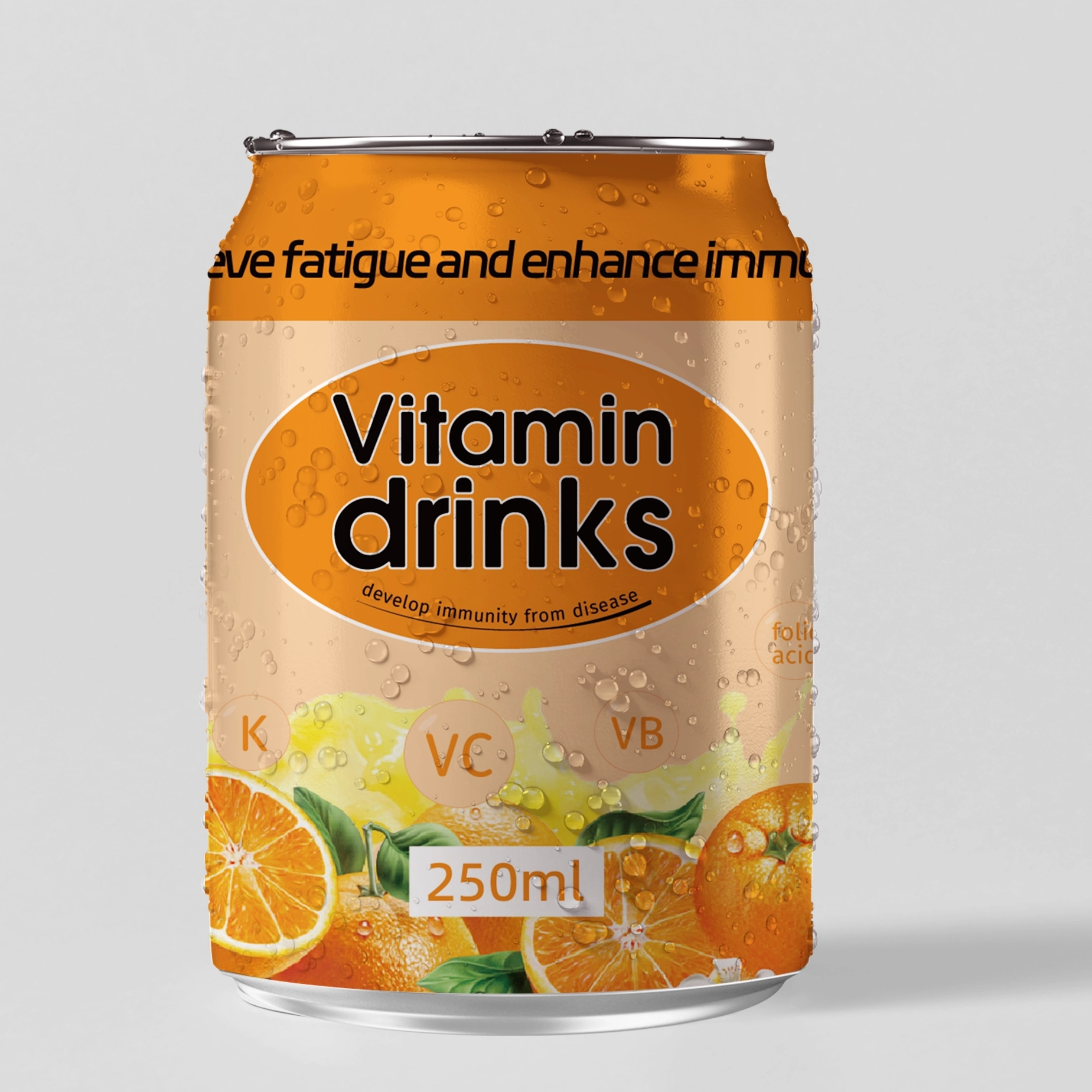
Although beverage preferences vary globally, convergence around certain packaging formats is increasingly evident. In many markets, smaller portion sizes are gaining acceptance due to health awareness and changing consumption patterns. This trend directly supports the adoption of the 250ml standard can as a universal solution.
In regions where 330ml or 355ml cans were historically dominant, the 250ml format is often introduced for functional or premium products before expanding into broader categories. This gradual adoption pattern reinforces its status as a flexible standard rather than a niche alternative.
The most common standard can size, therefore, is not defined solely by legacy consumption habits but by adaptability to future demand. In this context, the 250ml standard can demonstrates unmatched versatility across regions, beverage types, and distribution channels.
Conclusion
Determining the most common standard can size requires looking beyond tradition and focusing on real-world usage, efficiency, and adaptability. While multiple can sizes coexist in the global beverage industry, the 250ml standard can consistently emerges as the most widely applicable and future-ready option. Its balance of portion control, material efficiency, logistical compatibility, and consumer convenience positions it as the leading standard in modern beverage packaging. As consumption habits continue to evolve, the 250ml standard can for beverages is likely to further solidify its role as the global benchmark.
FAQ
1.What is considered a standard can size in the beverage industry?
A standard can size is one that is widely adopted across multiple beverage categories and regions due to manufacturing efficiency and consumer familiarity.
2.Why is the 250ml can so common?
The 250ml standard can offers portion control, material efficiency, and compatibility with global production and distribution systems.
3.How does 250ml compare to 330ml or 355ml cans?
While 330ml and 355ml remain common in specific markets, 250ml is more versatile across beverage types and regions.
4.Is aluminum always used for standard cans?
Yes, Aluminum, especially Silver Aluminum, is the industry norm due to recyclability, lightweight properties, and performance.
5.Are smaller cans considered premium?
Smaller formats like the 250ml standard can are often associated with premium positioning due to controlled portions and refined presentation.


