Room 1304, Building C, Donghuan International Plaza, Erhuan East Road,Licheng District,Jinan City,Shandong Province, China
BLOGS
Home » Blogs » News » Industry consulting » Aluminum Can Lifecycle Series - Part 3: Inside The High-Speed Journey From Aluminum Sheet To Finished Can
Aluminum Can Lifecycle Series - Part 3: Inside The High-Speed Journey From Aluminum Sheet To Finished Can
Views: 0 Author: Site Editor Publish Time: 2025-12-08 Origin: Site
For brands and manufacturers in the beverage industry, the aluminum can may look simple—but its production is one of the most precise and efficient industrial processes in modern packaging. At Jinzhou Packaging, together with our partner manufacturing facilities, every can is engineered through dozens of high-speed, high-precision steps before it ever reaches a filling line.
This article (Part 3 of our Aluminum Can Lifecycle Series) takes you behind the scenes to understand how a roll of aluminum becomes the lightweight, durable, and beautifully printed can in your hand.
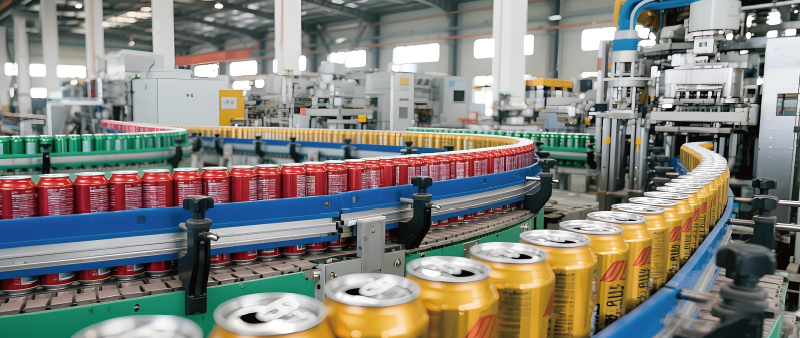
01. A High-Speed Factory Behind Every Can You DrinkAn aluminum can is not just a container. It is an engineering achievement created through coordinated machinery, micro-level precision, and extreme production speed.
Inside our partnered can-making facilities:
Production speed: 2,000+ cans per minute per line
Equipment accuracy: within 0.01 mm
Daily output per line: over 1 million cans
What seems like an everyday beverage package is actually the result of a fast, automated, and highly technical manufacturing journey.
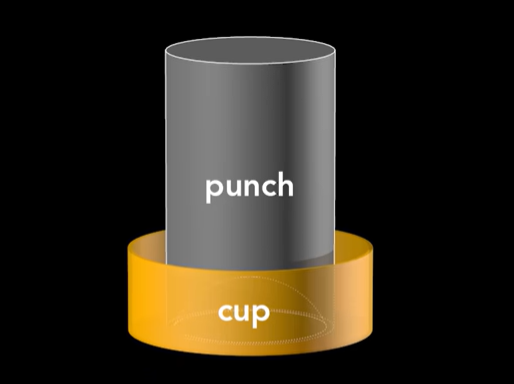
02. Cup Pressing: Transforming Aluminum Coil Into the First Can Shape
Process name: Cup Pressing Material: 3104 aluminum alloy coil Equipment: High-speed cupper press
The aluminum coil is fed into a press where an upper and lower die rapidly punch out shallow, round cups—this is the earliest form of the can body.
Engineer’s insight: Cup forming determines the initial wall uniformity, which directly influences the strength, weight, and stability of the final can.
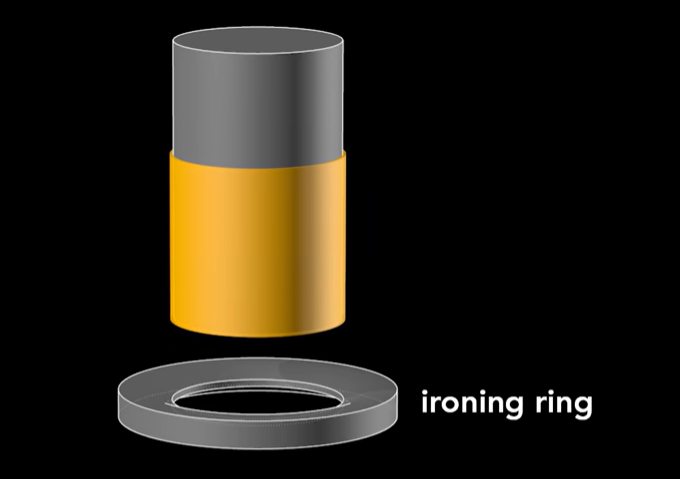
03. Deep Drawing & Ironing (DWI): The Most Critical Transformation
This is where the can truly takes shape.
The aluminum cup passes through multiple progressive dies that:
Draw it taller
Iron it thinner
Shape the final cylindrical form
After this step:
Wall thickness: approx. 0.10 mm
Height: more than 130 mm
Engineer’s insight: The can’s light weight, durability, and ability to withstand internal pressure are all achieved in this stage.
04. Bottom Forming & Trimming: Strength and Precision
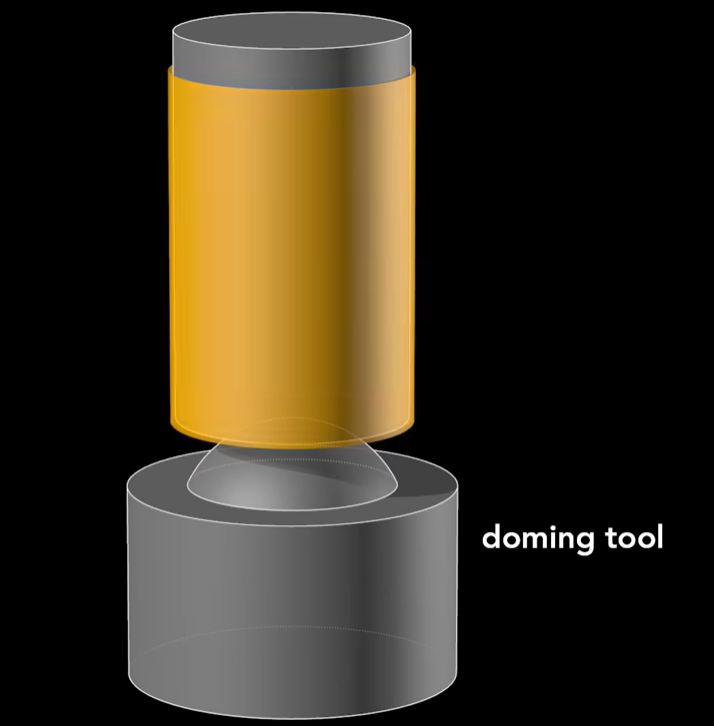
Reinforced dome bottom
The bottom of a can is never flat. It features a standardized concave dome, engineered to improve:
Pressure resistance
Stability under carbonation
Transport safety (reduced risk of bursting)
Trimming for uniform height
Because drawing creates uneven edges, a high-speed trimming blade removes excess material, ensuring every can meets the exact height specifications required by filling lines worldwide.
05. Cleaning & Drying: Preparing for Printing
Before printing, all lubrication from earlier steps must be removed.
The cleaning process includes:
Multi-stage washing
Ultrasonic degreasing
Steam rinsing
High-temperature tunnel drying
Engineer’s insight: The cleaner the surface, the better the ink adhesion and overall print quality. A clean can is essential for high printed yield.
06. High-Speed Multi-Color Printing: Giving Each Can Its Identity
Printing is often considered the “soul” of an aluminum can.
Using 6–8 color high-speed decorators, cans can be finished with:
Glossy or matte effects
White base coating
Tactile emboss-like textures
High-precision gradients and skin-tone reproduction
At Jinzhou Packaging, we specialize in:
High-definition artwork
Ultra-low color variation
Smooth large-area color layouts
In just a few seconds, the can rotates through cylinders that apply vibrant, durable, food-contact-safe inks.
07. Internal Coating: Food-Grade Protection
Inside the can, a thin, uniform food-safe liner is sprayed to prevent the beverage from contacting metal directly.
Benefits include:
Corrosion resistance
No metallic taste
Improved shelf life and flavor stability
The coating is then cured in a high-temperature oven to ensure full adhesion and safety.
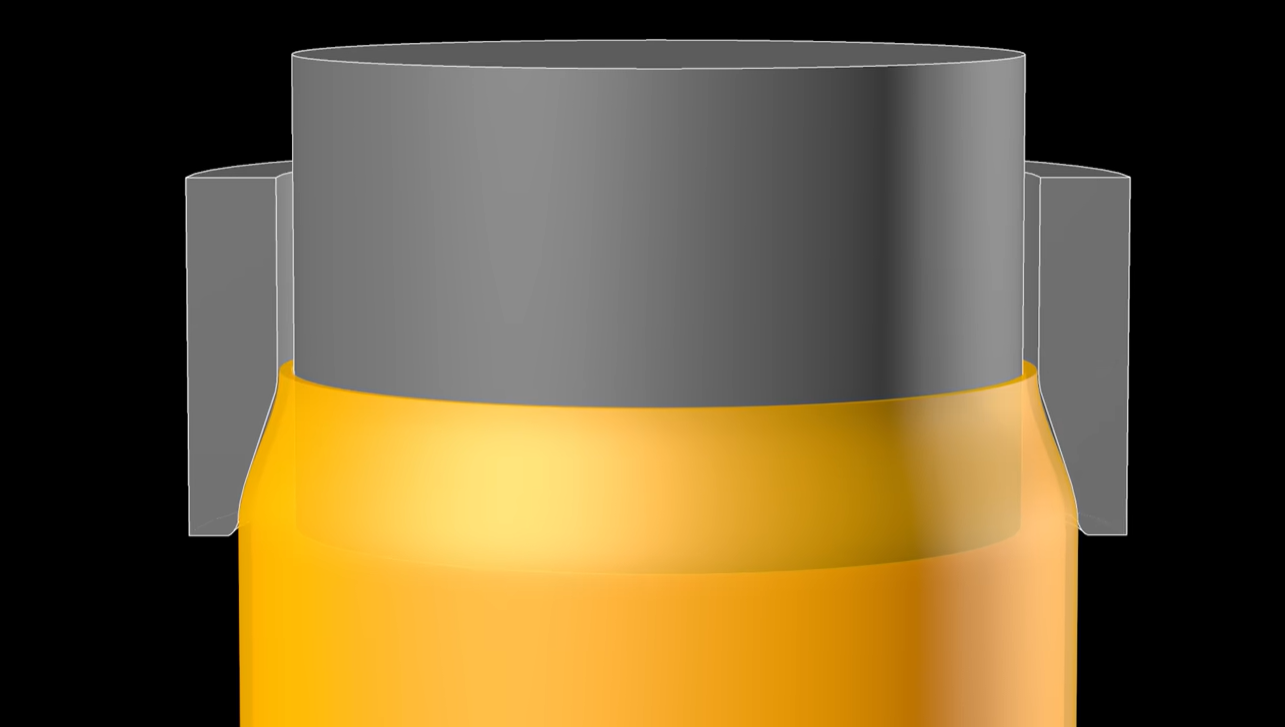
08. Necking: The Precision Step That Reduces Material and Cost
The top of the can is gradually reduced from about 60 mm to 52–54 mm.
Why multiple steps? The neck is shaped through 20–30 small reductions, each performed by a dedicated die to avoid cracking or deforming the can.
Advantages:
Smaller lid → lower cost
Sleeker appearance
More stable sealing
Camera-based inspection ensures consistency
09. Testing, Quality Control & Palletizing
Every finished can undergoes strict quality tests based on global export standards:
Sidewall thickness measurement
Dome pressure test
Internal coating integrity test
Print color variation check
Neck roundness inspection
Leak detection
Only qualified cans are automatically palletized and prepared for shipment to beverage factories worldwide.
Final Thoughts
The aluminum can is one of the most technically optimized packaging products in the world—lightweight, strong, hygienic, recyclable, and infinitely customizable. At Jinzhou Packaging, we work with advanced manufacturing partners to deliver high-quality cans with consistent performance for breweries, beverage brands, and OEM/ODM projects.
This is the story behind every can you hold: a blend of industrial innovation, engineering precision, and high-speed production.