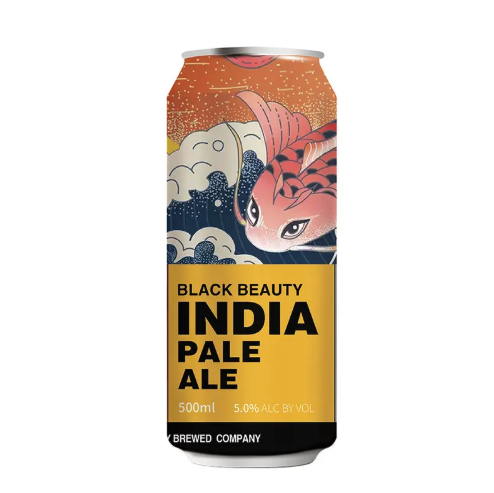
Aluminum beer cans have come a long way. Once simple containers, they've transformed into essential branding tools. But what makes them so important? How do different designs affect both functionality and marketing?
In this article, we’ll explore the journey of aluminum beer cans, their design evolution, and how these changes impact cost, consumer perception, and sustainability.
The Evolution of Aluminum Beer Can Design
From Simple Containers to Marketing Tools
Aluminum beer cans have shifted from being basic storage vessels to highly personalized, eye-catching designs. In the past, beer cans were mainly plain, focusing solely on function—keeping beer fresh and portable. However, as the beverage industry grew more competitive, breweries realized that the design of the can could play a significant role in consumer choices. Today, aluminum beer cans are a canvas for creativity, serving as both a practical container and a tool for brand identity. This transformation allows breweries to express their unique personalities, attracting consumers with distinct and colorful designs.
Advancements in Aluminum Beer Can Technology
The design and functionality of aluminum beer cans have continuously improved, thanks to technological advancements. Early beer cans were often made of steel, which was heavier and more prone to rusting. The switch to aluminum revolutionized the industry. Aluminum’s lighter weight, corrosion resistance, and recyclability have made it the material of choice for beer packaging. Innovations in can production, such as the use of polymer coatings to prevent beer from reacting with the aluminum, have ensured that beer quality is preserved. Additionally, newer can designs, like sleek and stubby cans, are lighter and more comfortable for consumers to handle, further enhancing their usability.
Influence of Consumer Preferences on Design
The demand for variety and customization in beverage packaging has significantly influenced aluminum beer can designs. Consumers are increasingly looking for products that not only offer a great taste but also reflect their personality and values. Whether it's a sleek can for a premium craft beer or a traditional stubby can for nostalgia's sake, these designs cater to different preferences. This shift towards customization has allowed breweries to tap into new markets by offering diverse designs that appeal to specific consumer groups.
Types of Aluminum Beer Can Designs: A Comprehensive Overview
Standard Cans
The classic 12-ounce aluminum beer can remains a staple in the industry. These cans, commonly referred to as standard cans, are widely used by mainstream beer brands. The 12-ounce size is perfect for convenience, fitting into most fridge spaces and offering the ideal serving size for most consumers. Despite the growing popularity of other designs, standard cans continue to be the most cost-effective choice for breweries. Their widespread use and affordability make them a go-to option for large-scale production.
Sleek Cans
Sleek cans have become synonymous with craft beers and premium beverages. With a thinner and taller profile, sleek cans offer a more modern and sophisticated aesthetic compared to the traditional 12-ounce can. These cans are often used by breweries that want to distinguish themselves with a high-end, visually appealing product. They are particularly popular in the craft beer sector, where branding and design are crucial in capturing the attention of discerning consumers.
Stubby Cans
Stubby cans, also known as short cans, are a throwback to the past, evoking nostalgia while providing a unique drinking experience. These cans are shorter and more compact than standard ones, often holding around 8-10 ounces. Their stocky design makes them easier to hold, especially when enjoying a beer in a social setting. Their resurgence, especially among artisanal and craft beer brands, is an example of how design can trigger emotional connections with consumers.
Crowlers
Crowlers represent a hybrid between cans and growlers, combining the convenience of a can with the larger capacity of a growler.
| Crowlers | the convenience of a can |
| the larger capacity of a growler |
Typically holding 32 ounces, crowlers are ideal for craft breweries offering fresh beer to-go. Unlike traditional cans, crowlers are often filled on demand and sealed immediately, preserving the beer’s freshness until consumption. This unique design allows breweries to offer larger quantities of beer while still providing a portable and easy-to-transport container.

Material Choices and Manufacturing Process: How Aluminum Becomes a Beer Can
Aluminum as the Preferred Material
Aluminum is the primary material used in beer cans due to its lightweight nature, durability, and recyclability. Unlike steel, aluminum doesn’t rust, making it perfect for beverage containers. Its lightweight characteristic also makes it more portable, reducing transportation costs and energy consumption. Moreover, aluminum is infinitely recyclable, meaning it can be reused without losing its properties. This feature is critical in a world where sustainability is increasingly important.
From Raw Sheets to Finished Can
The journey of aluminum from raw material to a beer can is an intricate process. First, aluminum sheets are created by rolling aluminum ingots into thin sheets. These sheets are then cut into circular blanks, which are formed into cups. Afterward, the cups are drawn into taller cylinders and ironed to increase their thickness and strength. The cans are then cleaned, decorated with ink, and sealed with a protective liner to prevent the beer from coming into direct contact with the metal. This process ensures the cans are both functional and aesthetically pleasing.
Importance of Inner Linings
A critical part of aluminum beer cans is the inner lining, which protects the beer from reacting with the aluminum. This lining, typically made from polymer coatings, helps preserve the flavor and quality of the beer by preventing the aluminum from leaching into the liquid. The inner coating also prevents any metallic taste from interfering with the beer’s flavor profile, making it essential for breweries that want to maintain high-quality standards in their products.
How Design Affects Cost and Consumer Perception
The Role of Can Design in Branding
Design plays a crucial role in consumer perception and brand identity. A well-designed can can make a significant difference in attracting consumers in a crowded marketplace. For example, a sleek, modern design may appeal to consumers looking for premium products, while a retro design might attract those who appreciate nostalgia. Creative designs, like custom patterns or limited-edition designs, can also create a sense of exclusivity and elevate a beer brand’s status.
Cost Implications of Unique Can Shapes
While custom shapes and designs can set a brand apart, they also come with higher production costs. Embossed cans or cans with complex artwork may require additional manufacturing steps, such as custom molds or advanced printing techniques, driving up costs. Breweries must weigh these additional expenses against the potential marketing benefits of a unique design that captures consumer attention and builds brand recognition.
Economic Factors in Can Production
Several economic factors influence the cost of aluminum beer cans. Material costs, labor, and energy consumption all play a part in determining the final price of the cans. Additionally, the scale of production can affect costs—larger production runs typically reduce the per-unit cost. For breweries, understanding these factors is essential for managing production costs while maintaining competitive pricing.
The Environmental Impact of Aluminum Beer Cans
Aluminum Cans and Sustainability
Aluminum’s recyclability makes it one of the most eco-friendly materials in the packaging industry. Aluminum cans are 100% recyclable, and recycling aluminum saves 95% of the energy required to produce new aluminum. This feature plays a critical role in the growing focus on sustainability in the beverage industry. For breweries, using recyclable aluminum cans not only reduces environmental impact but also aligns with consumer preferences for eco-friendly products.
Innovations in Eco-Friendly Cans
As sustainability becomes more of a priority, breweries are seeking new ways to reduce their environmental footprint. Innovations such as lightweight cans, the use of bio-based coatings, and the reduction of packaging waste are making aluminum beer cans even more eco-friendly. These designs reduce the amount of aluminum used in production, conserving resources and reducing emissions.
The Role of Recycling in the Aluminum Can Lifecycle
The aluminum can lifecycle is highly sustainable due to its recyclability. Recycled aluminum can be remelted and reused in the production of new cans, reducing the need for raw aluminum mining. This not only saves energy but also reduces environmental harm caused by mining and manufacturing processes. Breweries that embrace aluminum recycling contribute to a circular economy and lower their carbon footprint.
Trends Shaping the Future of Aluminum Beer Can Design
Custom Designs and Limited Editions
In a competitive market, limited-edition and custom can designs are gaining traction. Breweries use these designs to create buzz and drive demand for special releases. Custom artwork or unique packaging can enhance the consumer experience and create a sense of exclusivity, which can lead to increased sales and brand loyalty.
Technological Advances in Can Printing
Digital printing technology has revolutionized can designs, enabling breweries to create vibrant, high-resolution graphics quickly and affordably. This advancement allows for more detailed and colorful designs that enhance brand appeal. The shift to digital printing also supports customization, allowing breweries to print short-run designs for limited editions without significant cost increases.
New Shapes and Sizes for the Modern Consumer
As consumer preferences evolve, so do aluminum beer can designs. Slim cans, large-size cans, and cans with unique openings are becoming more popular. These innovations cater to changing lifestyles, such as the demand for portable beverages or larger servings for social gatherings. By offering these new shapes and sizes, breweries can differentiate themselves in a crowded market.
Conclusion
Aluminum beer cans have evolved from basic containers into essential tools for branding and sustainability. Today, whether it’s the traditional 12-ounce can, sleek cans, or innovative crowlers, each design shapes the beer-drinking experience. As consumer preferences shift, these designs will continue to adapt. Companies like Jinzhou offer unique aluminum beer cans that help businesses enhance their brand and meet modern consumer demands, providing high-quality, customizable packaging solutions.
FAQ
Q: What is an aluminum beer can?
A: An aluminum beer can is a lightweight, durable container designed to store and preserve beer, ensuring its freshness and carbonation.
Q: What are the different types of aluminum beer cans?
A: The most common types include standard 12-ounce cans, sleek cans, stubby cans, and crowlers, each serving different consumer preferences and beer styles.
Q: Why are aluminum beer cans preferred over other materials?
A: Aluminum beer cans are lightweight, recyclable, and provide superior protection against light and oxygen, which can degrade beer quality.
Q: Do aluminum beer can designs affect their cost?
A: Yes, unique designs such as embossed or custom shapes can increase production costs due to additional manufacturing processes.
Q: How do aluminum beer cans contribute to sustainability?
A: Aluminum beer cans are 100% recyclable, saving energy and reducing the need for raw materials, making them an eco-friendly packaging choice.