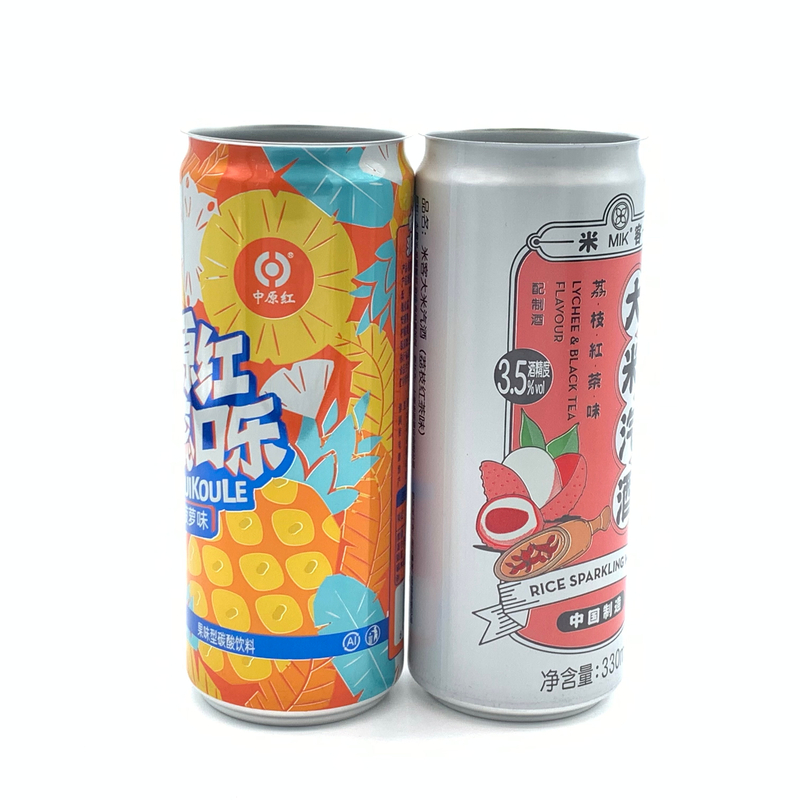
In today's competitive beverage market, the design of aluminium cans plays a pivotal role in attracting consumers and establishing brand identity. By leveraging the unique material properties of aluminium—such as its strength, lightweight nature, and excellent recyclability—brands can create innovative can designs that not only stand out on shelves but also resonate with eco-conscious consumers. This article explores how you can utilize these material characteristics alongside creative design strategies to differentiate your aluminium cans and enhance their appeal in a crowded marketplace.
The Role of Material Properties in Aluminium Can Design
Understanding aluminium's unique properties
Aluminium stands out as a packaging material due to its impressive combination of strength, lightweight, and excellent corrosion resistance. These properties make it ideal for beverage cans. It’s easy to shape and form, yet strong enough to protect the contents from external damage and contamination. Aluminium also provides a complete barrier against light, oxygen, and moisture, preserving the beverage's freshness and flavor.
Its recyclability is another key property. Aluminium cans can be recycled repeatedly without losing quality, which appeals to environmentally conscious consumers and brands aiming to reduce their carbon footprint. This sustainability factor is increasingly influencing design decisions.
How material properties influence design possibilities
The unique characteristics of aluminium open up a wide range of design opportunities. Because aluminium is lightweight but strong, cans can be made thinner without compromising durability. This reduction not only saves material costs but also allows for innovative shapes and sizes that stand out on shelves.
Aluminium’s malleability enables intricate embossing or debossing on the can surface, adding tactile and visual appeal. Designers can create unique textures or patterns that attract consumers’ attention and enhance brand identity.
Material properties also affect how colors and finishes are applied. Aluminium’s smooth surface accepts a variety of lacquers and primers, enabling vibrant colors and special effects like metallic sheens or matt finishes. These finishes can significantly boost shelf impact.
Moreover, aluminium’s thermal conductivity helps keep beverages cold faster, which can be a selling point promoted through packaging design.
In summary, aluminium's strength, formability, recyclability, and surface qualities provide designers with a versatile toolkit. These material properties allow brands to innovate beyond traditional can shapes and finishes, crafting packaging that captures consumer interest and supports sustainability goals.
Leverage aluminium's recyclability and malleability to create thinner, uniquely shaped cans with eye-catching textures and finishes that appeal to eco-conscious consumers.

Design Innovations in Aluminium Can Ends and Tabs
Focus shift from can body to ends and tabs
Traditionally, aluminium can design focused mainly on the can body, where brands displayed logos, colors, and graphics. However, the industry is now shifting attention to the can ends and tabs. These smaller areas offer fresh opportunities for differentiation and consumer engagement. Since the can end is the first part consumers see when picking up a product, it plays a crucial role in grabbing attention on crowded shelves.
This shift reflects a deeper understanding of consumer behavior. People often interact with the can by opening it, so the tab design can enhance the overall experience. By innovating here, brands can create memorable moments that encourage repeat purchases.
Examples of innovative tab and shell designs
Material suppliers and can makers are collaborating to develop new aluminium alloys and finishes specifically for can ends and tabs. These innovations include:
● Colorful lacquers and primers: Applying vibrant colors and special coatings on tabs and shells adds an extra layer of visual appeal. For example, metallic or copper shades can make the can stand out.
● Textured tabs: Some brands use embossing or special textures on tabs to improve grip and tactile feel, making opening easier and more satisfying.
● Custom shapes: While the can body shape remains relatively standard, tabs can be reshaped for ergonomic benefits or brand identity. Unique tab shapes can also serve as a signature design element.
● Enhanced finishes: High-gloss or matte finishes on the can end create contrast and elevate the premium look. Some finishes also improve scratch resistance, keeping the can looking new longer.
A leading example is Ardagh Group’s introduction of copper-colored can ends and tabs. This bold color choice breaks the traditional silver or gold mold and immediately draws the eye. It also complements certain beverage types, reinforcing the product’s premium or unique qualities.
In summary, the can end and tab have become key design canvases. By using new materials, colors, and shapes, brands can differentiate their aluminium cans beyond the usual body graphics. This focus on smaller details aligns perfectly with consumer desires for both functionality and aesthetics.
Collaborate with aluminium suppliers to explore custom colors and textures for can ends and tabs, creating distinctive packaging that captures consumer attention and enhances brand identity.
Color and Lacquer: Enhancing Aluminium Can Appeal
Introduction to colorful lacquers and primers
Aluminium cans are no longer just silver or plain metal. Today, colorful lacquers and primers transform them into vibrant packaging that catches the eye. These coatings adhere perfectly to aluminium’s smooth surface, allowing brands to use a broad spectrum of colors and finishes.
Lacquers add more than just color. They provide shine, matte effects, or metallic sheens that make cans pop on shelves. Primers improve paint adhesion and durability, ensuring the design stays fresh even after handling and transportation.
Innovations in lacquer technology also enable special effects like pearlescent or textured finishes. These effects create a tactile experience for consumers, adding another layer of brand appeal. Brands can use these finishes to reinforce their product’s personality, whether it’s bold and energetic or sleek and premium.
Impact of color variety on consumer attraction
Color variety plays a huge role in attracting consumers. Humans are naturally drawn to bright, contrasting colors. A well-chosen color palette can evoke emotions, signal flavor types, or highlight product benefits.
For example, a refreshing lime-flavored drink might use bright green shades, while a rich coffee beverage could opt for warm browns or copper tones. This visual cue helps consumers quickly identify the product and connect with the brand’s message.
Moreover, unique colors differentiate a brand from competitors. With so many products on the shelf, standing out is crucial. Using uncommon colors like copper or deep metallic blues can create a memorable impression.
Color also influences perceived quality. Premium brands often use darker, richer colors combined with matte or satin finishes to suggest luxury. In contrast, bright and glossy finishes can communicate fun and energy, appealing to younger audiences.
The ability to apply these colors flawlessly on aluminium cans comes from advances in lacquer and primer chemistry. These coatings bond well, resist scratching, and maintain vibrancy over time.
Brands like Ardagh have pioneered colored tabs and can ends, such as their copper-colored finishes. This innovation breaks the silver-gold mold and draws consumer attention instantly. The copper tone pairs well with premium or craft beverages, reinforcing a unique market position.
In conclusion, colorful lacquers and primers unlock a powerful design tool. They help brands craft cans that not only protect the beverage but also tell a story and attract buyers through striking visuals.
Experiment with bold, uncommon lacquer colors and finishes on can ends and tabs to create packaging that stands out and connects emotionally with consumers.
Practical Features: Re-close and Re-fill Functions
Benefits of practical features in can design
Adding practical features like re-close and re-fill functions to aluminium cans greatly enhances user convenience and brand appeal. These features allow consumers to enjoy their beverages over multiple sittings without worrying about spills or losing freshness. Re-close lids help keep drinks carbonated longer, maintain flavor integrity, and prevent contamination after opening.
From a marketing perspective, practical functions improve the user experience, encouraging repeat purchases and brand loyalty. They also differentiate products in a crowded market by offering added value beyond basic packaging. Consumers increasingly seek packaging that fits their active lifestyles, making re-close and re-fill options attractive selling points.
Moreover, these features align with sustainability goals. By enabling consumers to consume a product over time rather than in one go, they reduce waste and promote responsible consumption. Brands can highlight these benefits in their messaging to connect with eco-conscious buyers.
Examples of brands utilizing these features
Several beverage brands have successfully integrated re-close and re-fill functions into their aluminium cans:
● Coca-Cola’s resealable can: This innovation features a sliding tab that can be closed after opening, preserving carbonation and preventing spills. It targets consumers who want to enjoy their drink throughout the day.
● Heineken’s re-close can: Designed for beer lovers, this can includes a twistable re-close lid that maintains freshness and carbonation. It supports social occasions where sharing or saving beer is common.
● Monster Energy’s re-fillable cans: Some energy drink cans now come with durable lids allowing consumers to refill and reuse the can, supporting sustainability and cost savings.
These examples show how practical features add convenience and reinforce brand values. They also open new design challenges and opportunities, such as ensuring the re-close mechanism is durable, easy to use, and visually appealing.
Innovations in aluminium material and design make these features possible. Lightweight yet strong aluminium supports complex lid mechanisms without adding excessive weight. Surface treatments ensure smooth operation and maintain the can’s premium look.
In conclusion, practical features like re-close and re-fill functions elevate aluminium cans beyond simple containers. They enhance user experience, support sustainability, and differentiate brands in competitive markets.
Incorporate re-close or re-fill functions into aluminium can designs to boost consumer convenience and create a strong competitive edge.
The Importance of Shape in Aluminium Can Design
How shape can differentiate a brand
Shape plays a crucial role in setting aluminium cans apart on crowded shelves. It’s not just about aesthetics; shape influences how consumers perceive a brand and interact with the product. A unique shape grabs attention and creates a memorable identity, making it easier for buyers to recognize the product among many.
Brands can use shape to communicate personality and values. For example, a sleek, slim can may suggest modernity, energy, and sophistication. A wider or more rounded can might evoke a sense of tradition or comfort. The tactile feel also matters—how the can fits in the hand affects user experience and can reinforce brand loyalty.
Innovative shapes also allow brands to target specific market segments. Smaller cans may appeal to health-conscious consumers wanting portion control. Taller or curved designs might attract premium buyers seeking exclusivity. By breaking away from standard cylindrical shapes, brands can tell a story visually, even before customers read the label.
Case study: Red Bull's slim can design
Red Bull revolutionized the energy drink market partly through its distinctive slim can shape. Unlike typical beverage cans, Red Bull’s tall, slender design stands out instantly. This shape conveys energy, agility, and a modern lifestyle, perfectly matching the brand’s message.
The slim can also offers practical benefits. It fits comfortably in hand, is easy to carry, and fits well in cup holders or backpacks. This convenience reinforces the brand’s appeal to active consumers, such as athletes and students.
From a production standpoint, Red Bull’s unique shape required precise engineering and collaboration with aluminium suppliers. The material had to be strong enough to maintain the slim profile without compromising durability or shelf life. This example shows how material properties and design innovation work hand in hand.
Red Bull’s success demonstrates how shape can become a powerful brand differentiator. The slim can is now iconic, instantly recognizable worldwide, and closely tied to the product’s identity.
Explore unique can shapes that align with your brand’s personality and target audience to create a strong visual identity and improve consumer engagement.

Collaborations with Aluminium Material Suppliers
Role of suppliers in design innovation
Aluminium material suppliers play a crucial role in pushing the boundaries of can design. They don’t just provide raw materials; they work closely with can makers and brand owners to develop new alloys, finishes, and coatings that enable fresh design possibilities. Their expertise helps balance material strength, weight, and formability to meet both aesthetic and functional goals.
Suppliers innovate by creating aluminium grades tailored for specific design features. For example, they might develop alloys that allow thinner walls without sacrificing durability. This supports unique shapes or embossing details that make cans stand out. They also formulate special lacquers and primers that adhere better and offer a wider color range, including metallic and matte finishes.
These collaborations often begin early in the product development process. Material suppliers share insights on what’s technically feasible and cost-effective. They may run tests on new materials or coatings to ensure they meet safety, sustainability, and performance standards. This partnership helps brands bring eye-catching, practical cans to market faster.
Case study: Ardagh's copper color innovation
A standout example of supplier-driven design innovation is Ardagh Group’s introduction of copper-colored can ends and tabs. Traditionally, can ends come in silver or gold tones. Ardagh broke this mold by developing a copper finish that instantly draws consumer attention.
This copper color isn’t just about aesthetics. It complements premium or craft beverages, reinforcing a product’s unique qualities. The metallic sheen adds a luxurious feel, elevating the entire packaging. It also helps brands differentiate on crowded shelves, where subtle color shifts can make a big difference.
Ardagh’s innovation involved creating a special lacquer and primer system that bonds perfectly to aluminium ends and tabs. This system ensures the copper color remains vibrant and scratch-resistant throughout the product’s lifecycle. The company collaborated closely with beverage brands to tailor the color to their specific needs and brand stories.
This case illustrates how aluminium material suppliers contribute beyond supplying metal. They enable brands to tell compelling stories through color and finish innovations, helping products stand out and connect emotionally with consumers.
Engage aluminium suppliers early to explore custom alloys and finishes like metallic copper that elevate your can’s look and support your brand’s unique identity.
Conclusion
Aluminium's properties, like strength and recyclability, allow for innovative can designs, enhancing brand identity and sustainability. Future trends include using unique shapes, colors, and practical features to attract eco-conscious consumers. Companies like Shandong Jinzhou Health Industry Co.,Ltd. leverage these innovations to create standout packaging, offering value through eye-catching designs and eco-friendly practices.
FAQ
Q: What makes an Aluminum Can ideal for packaging beverages?
A: An Aluminum Can is ideal for packaging beverages due to its strength, lightweight nature, excellent corrosion resistance, and ability to provide a complete barrier against light, oxygen, and moisture.
Q: How do material properties affect the design of Aluminum Cans?
A: The unique characteristics of Aluminum, such as its lightweight strength and malleability, allow for thinner designs, intricate embossing, and vibrant finishes, enhancing both functionality and visual appeal.
Q: Why are Aluminum Cans considered environmentally friendly?
A: Aluminum Cans are environmentally friendly because they are fully recyclable without losing quality, aligning with sustainability goals and reducing carbon footprints.
Q: How do innovative tab designs enhance the Aluminum Can experience?
A: Innovative tab designs enhance the Aluminum Can experience by improving grip, adding visual appeal, and creating memorable consumer interactions, which can encourage repeat purchases.