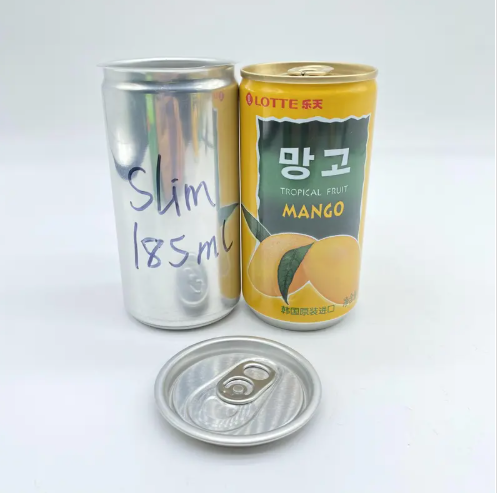
Slim Vs. Sleek Vs. Standard: What Does A 250 ML Can Look Like?
Views: 0 Author: Site Editor Publish Time: 2025-10-07 Origin: Site
In the world of beverage packaging, the right can design can make all the difference. A 250 mL can may look simple, but its design affects branding and consumer appeal. In this article, we’ll explore the differences between slim, sleek, and standard cans, focusing on how each design impacts your choice.
Understanding the Different Can Types: Slim, Sleek, and Standard
What is a Slim Can?
A Slim Can is known for its narrow and tall design. It's a popular choice for products requiring a modern, premium look, while also offering practicality.
Slim Can Characteristics
Height and Diameter
Slim cans are taller and thinner than standard cans, with a diameter of around 53 mm and a height of approximately 134 mm for a 250 mL can.
Can End Size
These cans use a 200 end type, making them smaller in diameter compared to other can types.
Practical Uses
Slim cans are often used for niche, premium products such as energy drinks, coffee, and wine.
The Advantages of Slim Cans
Portability: The tall, narrow design makes them easy to hold and transport.
Modern Appeal: Slim cans convey a premium and sleek image, ideal for high-end beverages.
What is a Sleek Can?
A Sleek Can combines modern aesthetics with practicality. It is slightly wider than the slim can but still maintains a stylish and ergonomic profile.
Sleek Can Features
Diameter
A sleek can has a diameter of around 57 mm, slightly larger than the slim can, but narrower than the standard can.
Height
For a 250 mL size, sleek cans are typically around 115 mm tall, making them shorter than slim cans.
Grip and Design
The sleek, smooth surface provides a better grip and more flexibility in branding.
Sleek Can Applications
Sleek cans are often seen in the premium beverage market, including sparkling water, hard seltzers, kombucha, and premium sodas.
Their modern design appeals to young, trend-conscious consumers looking for stylish packaging.
What is a Standard Can?
The Standard Can is the most commonly used and widely recognized can format, especially in North America. It has a robust and universal design that works well for large-volume, mass-market beverages.
Standard Can Dimensions and Design
Diameter
Standard cans have the widest diameter, typically 66 mm, with a height of around 92 mm for a 250 mL size.
Compatibility
These cans use the 202 end, making them compatible with most production lines and packaging systems.
Design
The traditional cylindrical shape makes them less visually distinctive compared to slim and sleek cans.
Standard Can Popularity
Standard cans are used for mass-market products like sodas, beers, and sparkling waters.
Their larger volume and cost-effectiveness make them the go-to option for high-volume production and logistics.
The Key Differences Between Slim, Sleek, and Standard Cans for 250 mL
Size and Shape Comparison
When it comes to the 250 mL can, size and shape differences between slim, sleek, and standard cans can have a noticeable impact on both appearance and packaging logistics.
Height and Diameter
Slim Can: 53 mm diameter, 134 mm height.
Sleek Can: 57 mm diameter, 115 mm height.
Standard Can: 66 mm diameter, 92 mm height.
The slimmer designs, like the slim and sleek cans, stand taller, while standard cans are shorter and wider. This impacts shelf display and storage efficiency.
Weight and Production Cost
Slim Cans: Typically weigh 8.6 g, making them lightweight but often more expensive to produce due to specialized machinery.
Sleek Cans: Slightly heavier at 10 g, with fewer production complexities compared to slim cans.
Standard Cans: At 9.66 g, they strike a balance between weight and production cost, making them the most cost-effective.
Packaging and Branding
The choice between slim, sleek, and standard cans often depends on how a brand wants to present itself to consumers.
Design Opportunities for Slim, Sleek, and Standard
Slim Cans: Offer more design flexibility due to their tall, slender surface, making them perfect for premium product branding.
Sleek Cans: Although slightly wider, the streamlined look allows for elegant designs and a more refined consumer perception.
Standard Cans: While less aesthetically distinctive, they are easy to brand and widely recognized, perfect for mass-market appeal.
Target Market Considerations
Slim Cans: Ideal for niche, premium products, such as energy drinks and specialty beverages.
Sleek Cans: Suitable for modern, trendy drinks like sparkling water, kombucha, and seltzers.
Standard Cans: Best for high-volume products such as sodas and beers targeting a broader audience.
Benefits of Each Can Type for Different Beverages
Slim Cans for Premium or Niche Beverages
Slim cans are perfect for beverages that require a premium, exclusive feel. The narrow design appeals to consumers who appreciate modern, stylish packaging.
Best Products for Slim Cans
Energy Drinks: Brands like Red Bull have successfully used slim cans to convey a sense of energy and exclusivity.
Cold Brew Coffee: The slender design emphasizes the high-quality, premium nature of cold brew coffee.
Premium Wines: Small wine brands often use slim cans to create a unique, fashionable appeal for wine-on-the-go.
Sleek Cans for Modern, Trendy Drinks
Sleek cans are ideal for products that want to capture the attention of trendy, health-conscious consumers. Their modern, refined look suits premium beverages looking to stand out.
Top Uses of Sleek Cans
Functional Beverages: Health-oriented drinks like kombucha and detox waters often use sleek cans for their aesthetic appeal.
Sparkling Waters: Sleek cans help enhance the perceived refreshment of sparkling water, making it feel more upscale.
Craft Sodas: Many craft soda companies have turned to sleek cans to attract a style-conscious audience.
Standard Cans for High-Volume Products
Standard cans remain the top choice for mass-market beverages due to their affordability, availability, and compatibility with high-volume production lines.
Why Standard Cans are Cost-Effective
Standard cans are widely available, ensuring easy sourcing and lower unit costs.
Their compatibility with existing production lines reduces the need for expensive equipment or adjustments.
The Impact of Can Type on Production and Logistics
Manufacturing and Production Lines
Manufacturing processes can be more complicated for slim and sleek cans due to their unique sizes and requirements.
Challenges with Slim and Sleek Cans
Slim cans require smaller trays and specialized equipment, which can increase production costs and complexity.
Sleek cans, while more compatible with standard equipment, still require finer production control for their smooth, modern design.
Advantages of Standard Cans in Production
Standard cans have widespread compatibility with most production lines, making them cost-efficient and easier to source.
Storage, Transportation, and Shelf Display
When considering logistics, size and shape matter.
Storage Considerations
Slim and sleek cans are taller and slimmer, which can be more space-efficient for both storage and transportation.
Standard cans are bulkier, but their shape and size fit neatly into the conventional packaging systems.
Choosing the Right Can for Your Product: Slim, Sleek, or Standard?
Branding, Market Positioning, and Consumer Perception
Aligning your can design with your brand’s identity and target market is essential. Whether you want a modern look (suitable for sleek cans) or a premium, exclusive feel (ideal for slim cans), the choice of packaging influences consumer perception.
Aligning Your Can Design with Your Brand
Slim cans are great for luxury and niche branding, while sleek cans cater to the trend-driven crowd.
Standard cans suit mass-market appeal, ensuring product visibility and ease of recognition.
Cost and Supply Chain Factors
Consider the cost implications when deciding between slim, sleek, or standard cans.
Slim Cans: Higher Cost, Higher Brand Value
Slim cans can be more expensive to produce due to their specialized machinery and smaller dimensions, but they offer premium value for brands looking to stand out.
Sleek and Standard Cans: Balancing Cost and Appeal
Sleek cans offer a stylish, cost-effective middle ground.
Standard cans remain the most budget-friendly option for high-volume production.
Conclusion
Choosing the right can for your 250 mL beverage depends on your product’s needs. Slim cans are ideal for premium items, while sleek cans appeal to trendy markets. Standard cans are perfect for mass-market drinks. By evaluating your product’s branding, audience, and production needs, you can make the best choice. Jinzhou offers customized packaging solutions, providing high-quality cans that align with your branding and logistics goals.
FAQ
Q: What is the difference between Slim, Sleek, and Standard 250 mL cans?
A: Slim cans are narrow and tall, ideal for premium products. Sleek cans are slightly wider with a modern design, suited for trendy beverages. Standard cans are larger in diameter, perfect for high-volume drinks.
Q: How does the design of a 250 mL can impact branding?
A: A 250 mL can with a slim design offers a premium feel, while sleek cans convey modernity, and standard cans offer familiarity and cost-efficiency.
Q: Which can type is best for energy drinks?
A: Slim cans are perfect for energy drinks due to their compact size and premium appearance.
Q: Are 250 mL cans available in all designs?
A: Yes, 250 mL cans come in slim, sleek, and standard designs, catering to different market needs.