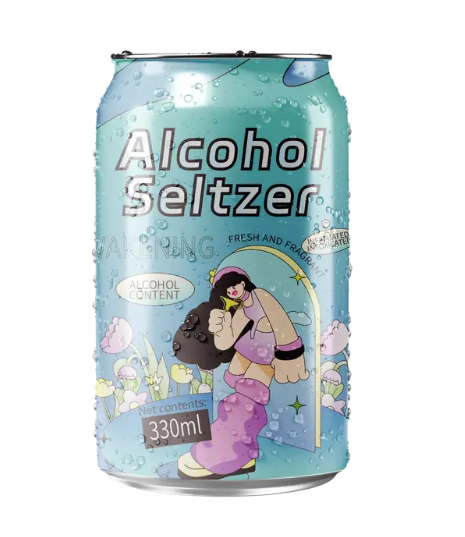
Aluminium Cans protect beverages, but liners matter. BPA-free BPANI liners gain attention. Epoxy remains widely used. In this article, we compare both. You will learn which liner fits health, durability, and regulatory needs best.
Understanding Aluminum Can Liners
What Is an Aluminum Can Liner?
An aluminum can liner is a protective coating applied to the inner surface of the can. Its primary function is to create a barrier between the aluminum and the beverage, preventing unwanted chemical reactions. Liners preserve flavor, prevent corrosion, and enhance shelf-life stability. They are especially important for acidic drinks like sodas or energy beverages, which can react with unprotected aluminum.
By using a high-quality liner, manufacturers ensure that their products reach consumers in optimal condition. Selecting the proper liner involves evaluating not just chemical composition, but also adherence to health standards and regulatory guidelines.
Key Properties of Effective Liners
Effective aluminum can liners must have excellent barrier properties, corrosion resistance, and strong adhesion. They must also meet health and safety standards to minimize potential chemical migration into beverages. Additional considerations include durability under temperature fluctuations and resistance to abrasion during filling and transport.
These properties are critical to maintaining both beverage quality and brand reputation. A liner that underperforms can compromise product integrity and reduce shelf life, resulting in consumer dissatisfaction and potential legal challenges.
Types of Liners in Use Today
Today, the market primarily uses epoxy and BPANI liners. Epoxy liners have a long history of performance, providing strong protection and durability. BPANI liners are emerging as a BPA-free alternative, particularly attractive to markets with strict consumer safety regulations. Industry adoption of BPANI is increasing, especially with Gen 2 BPANI formulations that closely match epoxy in durability.
Epoxy Liners: Performance and Considerations
Composition and Chemical Properties
Epoxy liners are composed of epoxy resins and curing agents. They often contain BPA, a chemical that enhances adhesion and corrosion resistance. This composition ensures excellent barrier properties and reliable performance for a wide range of beverages. However, the presence of BPA has raised health concerns, prompting some manufacturers to explore alternatives.
Despite these concerns, epoxy lined aluminum cans remain popular due to their proven effectiveness. They are suitable for long-term storage beverages and products requiring strong flavor protection.
Durability and Corrosion Resistance
Epoxy liners offer high durability and resistance to corrosion, even when exposed to acidic beverages. They protect cans from damage, ensuring beverages maintain their intended taste and safety over extended storage periods. This makes epoxy a reliable choice for both domestic and international markets.
Table 1: Key Properties of Epoxy vs BPANI Liners
Property | Epoxy Liners | BPANI Liners (Gen 2) |
Barrier Properties | Excellent | Comparable to epoxy |
Corrosion Resistance | High | High |
BPA Status | Contains BPA | BPA-free |
Flavor Protection | Strong | Strong |
Durability | Long-lasting | High |
Health and Regulatory Aspects
The BPA in epoxy liners has prompted regulatory scrutiny, particularly in regions like California. While not banned, BPA must be labeled, affecting consumer perception. For high-acid or sensitive beverages, this may influence liner selection. Manufacturers need to balance long-term reliability with compliance and market expectations.
Advantages of Epoxy Liners
Epoxy liners are known for robust adhesion, chemical resistance, and protection against flavor loss. They have a long track record in beverage packaging and perform consistently across different can sizes and beverage types. Their reliability is particularly valuable for high-volume production runs.
Potential Limitations
Health concerns related to BPA and slightly limited adoption in regions with strict BPA regulations can pose challenges. Some highly acidic beverages may require additional testing to ensure compatibility. Manufacturers should weigh these limitations against the benefits to determine feasibility.
BPANI Liners: Health-Focused Alternative
What Is BPANI?
BPANI (BPA Non-Intent) liners are formulated without intentionally adding BPA. Gen 1 BPANI used acrylic-based resins, while Gen 2 BPANI incorporates BPA-free epoxy alternatives. These liners aim to deliver comparable performance to traditional epoxy, without the health concerns associated with BPA.
Performance Metrics
BPANI liners offer strong adhesion, durability, and corrosion resistance. Gen 2 BPANI closely matches epoxy liners in performance, making it a viable alternative for most beverage types. While Gen 1 had limitations, Gen 2 represents a significant advancement in liner technology.
Health Advantages
BPANI liners are BPA-free and reduce consumer health concerns. They are ideal for sensitive markets and regions with strict BPA regulations. Using BPANI can enhance brand perception and meet growing consumer demand for safer packaging materials.
Limitations and Considerations
Although highly effective, BPANI liners may exhibit slightly lower chemical resistance under extreme conditions. Adoption can require adjustments in production processes, creating a learning curve for manufacturers. Market penetration is still growing, with Gen 2 BPANI gaining acceptance gradually.
Side-by-Side Comparison: BPANI vs. Epoxy
Barrier Properties and Durability
Both epoxy and BPANI liners provide strong barrier protection, preventing beverages from interacting with aluminum surfaces. Epoxy excels in long-term durability and consistently protects product quality over extended storage periods. BPANI Gen 2 closely approximates epoxy performance, offering similar resistance to corrosion and chemical attack. The optimal choice depends on beverage type, storage duration, and whether the market demands BPA-free solutions, especially in regions with strict regulations or health-conscious consumers. Evaluating these factors ensures consistent beverage quality and minimizes potential losses due to liner failure.
Health and Safety
BPANI liners effectively mitigate BPA-related risks, addressing growing consumer concerns about chemical exposure. Epoxy liners, while reliable in performance, require clear labeling where regulations dictate, which can impact brand perception. Health-conscious markets increasingly prefer BPANI, as it aligns with BPA-free marketing claims and minimizes potential liability. Manufacturers must balance the need for proven durability with consumer safety expectations, considering both regulatory compliance and long-term market trends when selecting liners. A thoughtful approach ensures product safety without sacrificing performance.
Flavor and Product Integrity
Both epoxy and BPANI liners protect beverage flavor and maintain product integrity, but epoxy has a longer track record of consistent results. BPANI Gen 2 provides comparable protection in most applications, particularly for beverages with moderate acidity or standard shelf-life requirements. The liner choice directly affects taste preservation, chemical stability, and overall product quality, making it a critical factor in brand reputation. Conducting compatibility tests for specific beverages helps confirm that flavor profiles remain unchanged over storage and distribution.
Cost and Implementation Considerations
Switching from epoxy to BPANI liners may require equipment adjustments, staff training, and process modifications, impacting production timelines and initial investment. Material costs vary between the two options, with BPANI potentially higher due to its newer technology and regulatory benefits. Manufacturers should conduct a comprehensive cost-benefit analysis, weighing the long-term savings from reduced health risk and market acceptance against the short-term production expenses. Strategic planning ensures that operational efficiency is maintained while adopting safer alternatives.
Regulatory and Market Trends
BPANI adoption is steadily increasing due to regulatory pressures, consumer demand for BPA-free packaging, and global health awareness. Epoxy remains dominant in established markets because of its proven reliability and familiarity with production systems. However, as BPA-free alternatives gain accessibility and production scalability improves, manufacturers may gradually shift toward BPANI. Staying informed about evolving regulations and emerging consumer preferences allows brands to proactively adjust liner strategies, avoiding compliance issues and capitalizing on market opportunities.

Key Factors in Choosing the Right Aluminum Can Liner
Beverage Type and pH Sensitivity
Acidic beverages, such as citrus sodas and energy drinks, require liners with high chemical resistance to prevent corrosion and flavor contamination. Non-acidic drinks allow greater flexibility in liner selection, but performance must still be verified for long-term storage. Understanding beverage composition, including pH, carbonation level, and potential interaction with the liner, is critical. Making an informed decision ensures that beverage quality remains consistent, regardless of distribution and storage conditions.
Shelf-Life Requirements
Beverages intended for longer storage benefit from epoxy liners due to their proven durability and barrier protection. BPANI Gen 2 liners can handle extended shelf-life requirements for most beverages, though shorter-term storage is often sufficient. Manufacturers must evaluate product turnover and storage conditions, including temperature and light exposure, when selecting a liner. Proper assessment of shelf-life needs ensures both product safety and consumer satisfaction.
Consumer Health and Market Expectations
Brands targeting health-conscious or BPA-aware consumers may prioritize BPANI liners to meet market expectations and regulatory compliance. Using BPA-free liners not only reduces potential liability but also strengthens brand reputation and consumer trust. Selecting the right liner aligns product safety with market positioning, helping brands differentiate themselves and increase loyalty among informed consumers.
Manufacturing and Supply Chain Flexibility
The availability of specific liner types can significantly affect production scheduling and overall supply chain reliability. Manufacturers must consider whether their chosen liner is consistently obtainable, compatible with current filling equipment, and suitable for batch variations. Digital printing and small-batch production further influence liner selection, as certain coatings may interact differently with specialized printing or finishing processes. Strategic supply chain planning reduces production risks and enhances operational efficiency.
Cost-Benefit Analysis
Balancing material costs, equipment adaptation, regulatory compliance, and market demands is essential in liner selection. While epoxy may provide superior durability at a lower material cost, BPANI can offer higher market acceptance and mitigate health concerns. Performing a detailed cost-benefit analysis allows manufacturers to quantify both short-term and long-term impacts of liner choice, ensuring the selected solution aligns with financial, operational, and marketing objectives.
Tips for Ensuring Optimal Liner Performance
Confirm Liner Codes and Specifications
Verify liner type using manufacturer codes, specification sheets, and production documentation. Misidentifying a liner can lead to chemical incompatibility, reduced shelf-life, or regulatory noncompliance. Accurate identification ensures consistent beverage quality and minimizes potential operational risks.
Managing Spray Weights and Application Thickness
Liner thickness directly affects durability, corrosion resistance, and chemical compatibility. Maintaining proper spray weights is essential to ensure that each can achieves the intended level of protection. Incorrect application can result in uneven coating, leading to premature corrosion or flavor degradation.
Storage and Handling Best Practices
Aluminum cans must be stored under controlled temperature and humidity conditions to preserve liner integrity. Exposure to excessive heat, moisture, or prolonged storage can compromise the protective coating, potentially affecting beverage safety and flavor. Implementing best practices ensures consistent product quality throughout the supply chain.
Testing and Quality Control
Regular testing, including chemical compatibility, corrosivity, and adhesion assessments, ensures that liners meet both regulatory and performance standards. Routine quality control checks help identify deviations early, preventing costly recalls or product complaints.
Emerging Trends and Innovations in Aluminum Can Liners
BPANI Gen 2 Adoption Growth
BPANI Gen 2 is rapidly gaining market share as a reliable, BPA-free alternative to epoxy liners. Its performance closely matches traditional epoxy while meeting consumer demand for safer packaging. Many manufacturers are adopting BPANI Gen 2 to future-proof production against evolving health and safety regulations.
Digital Printing and Customization
Digital printing allows brands to quickly update designs and produce small batches efficiently. When selecting liners, manufacturers must consider how coatings interact with digital inks to avoid defects and maintain print quality. This technology provides flexibility for agile production and customization, supporting faster market response times.
Sustainability and Environmental Considerations
BPANI liners typically have a lower environmental footprint than conventional epoxy coatings. Their adoption supports corporate sustainability goals and enhances brand reputation among eco-conscious consumers. By integrating greener liner technologies, manufacturers can demonstrate commitment to environmental responsibility while maintaining product performance.
Future Outlook
The trend toward BPA-free alternatives is expected to continue, driven by evolving regulations and increasing consumer awareness. Brands must stay informed about industry innovations, market preferences, and regulatory developments to remain competitive. Early adoption of safer, high-performance liners can provide a strategic advantage in both domestic and international markets.
Conclusion
Choosing between epoxy and BPANI liners depends on beverage type, shelf-life, and health concerns. Epoxy offers proven durability, while BPANI provides a BPA-free alternative with strong performance. Shandong Jinzhou Health Industry Co.,Ltd. delivers high-quality aluminum can liners that support safety and flavor preservation, helping manufacturers meet regulatory standards and consumer expectations.
FAQ
Q: What is an aluminum can liner and why is it important?
A: An aluminum can liner protects beverages from metal contact, preserving flavor and extending shelf life. Choosing the right aluminum can liner BPANI vs epoxy ensures safety and durability.
Q: What are the main differences between BPANI and epoxy liners?
A: Epoxy lined aluminum can pros and cons include proven durability but BPA concerns. BPANI liners offer BPA-free protection with similar barrier performance, ideal for sensitive markets.
Q: How do I choose the right liner for my aluminum can?
A: Consider beverage type, pH, shelf-life, and regulatory compliance when choosing the right aluminum can liner BPANI epoxy. This ensures product integrity and market acceptance.
Q: What are the health benefits of BPANI liners?
A: BPANI liner benefits for aluminum can packaging include reducing BPA exposure, addressing consumer health concerns, and complying with stricter labeling regulations.
Q: Can BPANI match epoxy in durability and performance?
A: BPANI Gen 2 closely approximates epoxy durability. Both provide strong barrier protection, but epoxy remains slightly more established in long-term beverage storage.
Q: Are there cost differences between BPANI and epoxy liners?
A: Switching from epoxy may involve equipment adjustments. Material costs vary, so manufacturers should evaluate total cost-benefit when choosing between aluminum can liners.
Q: Why is epoxy still widely used in aluminum cans?
A: Epoxy offers a long-standing track record with excellent adhesion and corrosion resistance. Epoxy lined aluminum can pros and cons must be weighed against BPA-free alternatives.
Q: How does liner choice affect beverage flavor?
A: Both BPANI and epoxy preserve flavor. Choosing the right aluminum can liner BPANI vs epoxy minimizes taste alterations and protects product integrity throughout storage.
Q: Are BPANI liners suitable for all beverage types?
A: BPANI works well for most beverages, especially health-focused products. Acidic drinks may require careful evaluation to ensure barrier performance matches epoxy standards.
Q: How do regulations influence liner selection?
A: Regulatory trends favor BPA-free options. Choosing the right aluminum can liner BPANI epoxy helps brands comply with consumer safety standards and avoid labeling issues.