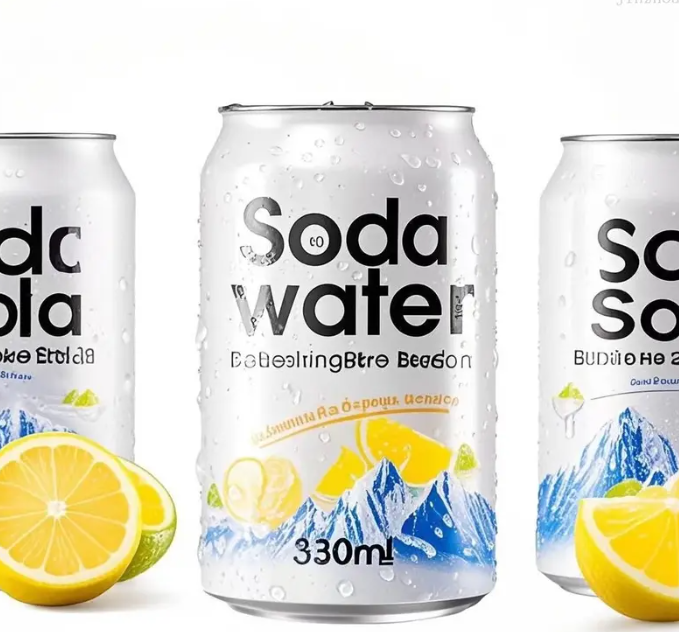
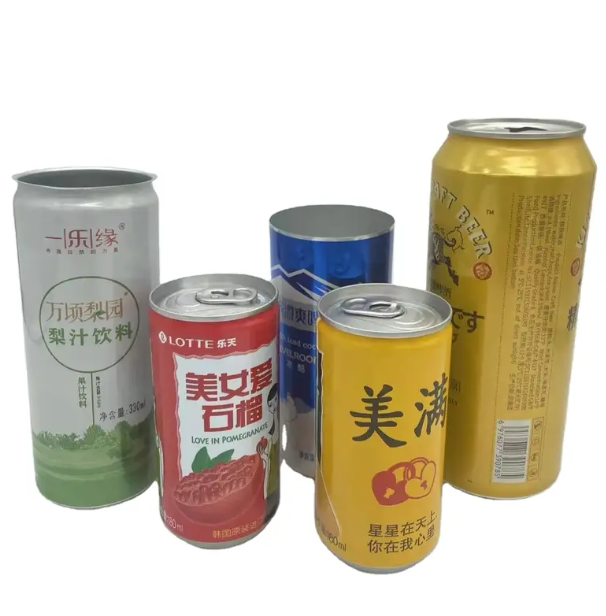
Did you know that over 180 billion beverage cans are consumed worldwide each year? Soda cans have become one of the most popular and efficient packaging solutions for carbonated drinks.In this article, we’ll provide a comprehensive overview of soda cans, from their design and manufacturing to their environmental impact. You’ll learn why soda cans are so effective at preserving freshness and how they’ve evolved into a sustainable packaging option.

What Are Soda Cans?
Soda cans are aluminum containers used to store carbonated soft drinks, keeping them fresh and fizzy. Their main job is to protect the beverage from light, oxygen, and contaminants, preserving flavor and carbonation for longer periods.
These cans are also called beverage cans or fizzy drink cans. Depending on where you live, they may even be referred to as pop cans or soda pop cans.
Globally, soda cans are incredibly popular. They are the packaging of choice for many well-known beverage brands. From soda to energy drinks, this lightweight, durable container is used by companies worldwide to keep their drinks in top condition. Soda cans have become a symbol of convenience and portability, making them a preferred choice for both manufacturers and consumers.
Why Are Soda Cans Made of Aluminum?
Properties of Aluminum
Aluminum is the perfect material for soda cans because it’s strong, lightweight, and highly resistant to corrosion. This means cans won’t rust or degrade over time, making them an ideal choice for storing beverages.
Aluminum is also a great barrier to light and oxygen, which helps preserve the soda’s freshness and carbonation. Because it’s so durable, aluminum cans can last a long time without affecting the drink inside.
History of Aluminum in Soda Cans
Aluminum cans were first introduced in the 1960s, replacing earlier versions made of steel. The transition to aluminum was a game-changer. Aluminum’s strength-to-weight ratio made cans easier to transport, and its resistance to corrosion helped preserve the flavor of beverages.
Over the years, soda cans have become thinner and stronger, thanks to advances in aluminum technology. As the demand for eco-friendly packaging grew, aluminum became even more popular due to its recyclability, leading to a more sustainable solution for beverage packaging.
The Design of Soda Cans: How Shape and Material Affect the Beverage Inside
Aluminum Body
The aluminum alloy used in soda cans offers several structural advantages. It’s lightweight yet strong, which helps reduce transportation costs and makes cans easy to handle. Aluminum is also resistant to rust and corrosion, ensuring the can maintains its integrity even during long periods of storage. This durability helps keep the beverage inside safe from external factors.
Concave Bottom
The concave or domed bottom of a soda can plays an essential role in preserving carbonation. By creating a smaller surface area where the soda interacts with the can, it minimizes the escape of carbon dioxide. This design helps keep the soda fizzy for longer, ensuring the drink remains refreshing until the last sip.
Protective Lining
To protect the soda from reacting with the aluminum, most cans are coated with a protective polymer or epoxy resin lining. This lining prevents metallic contamination, ensuring the drink’s taste isn’t altered by the aluminum. It also helps preserve the quality of the beverage over time, preventing any chemical reactions between the can and the liquid inside.
Stay-Tab Design
The modern pull-tab design makes opening a can easier and more convenient. Unlike older designs, where the tab was detached, the stay-tab is designed to stay attached to the can after being pulled. This design reduces litter and makes the recycling process more efficient, as the tab doesn’t need to be separated from the can.
Cylindrical Shape
The cylindrical shape of soda cans is crucial for their efficiency. It’s not only easy to produce but also maximizes space during storage and transportation. The uniform shape allows cans to be stacked neatly and securely, reducing wasted space. This helps lower transportation costs and makes the whole supply chain more efficient.

How Are Soda Cans Made?
The Manufacturing Process
Creating a soda can involves several precise steps, each ensuring the can is durable, lightweight, and ready for beverage packaging. Here's a breakdown of the key stages:
Step 1: Drawing and Ironing
The process starts with a large sheet of aluminum. The aluminum is drawn into a cup shape using a machine. The next step, ironing, thins out the walls of the cup, making the can body. This step shapes the basic form of the soda can, preparing it for the next stages.
Step 2: Necking & Bottom Doming
In this step, the top of the can is narrowed (necking) to allow for a smaller lid. At the same time, the bottom of the can is pressed into a concave shape (bottom doming). This design helps the can withstand internal pressure and maintain its structural integrity when filled with carbonated beverages.
Step 3: Lining & Decoration
To prevent the soda from reacting with the metal, a thin layer of protective coating is applied to the inside of the can. This lining ensures the beverage stays fresh and preserves its taste. Afterward, the outside of the can is decorated, often with vibrant, full-color designs to enhance brand appeal.
Step 4: Sealing
Once the can is decorated, it's filled with soda and sealed tightly with an aluminum lid. The lid is attached securely using a can-seaming machine, ensuring the can is airtight and will preserve the carbonation of the beverage inside until it’s opened by the consumer.
The Benefits of Soda Cans
Preservation of Freshness
Soda cans are designed to keep your drink fresh by blocking light and oxygen, both of which can alter the flavor and reduce carbonation. The aluminum body creates an airtight seal, preventing these elements from affecting the beverage. This ensures the soda remains crisp and fizzy, preserving its original taste until you open the can.
Convenience and Portability
Soda cans are incredibly convenient. The pull-tab design allows for easy, quick opening with one hand, making them perfect for on-the-go situations. They’re also compact and lightweight, so they’re easy to carry and store. Whether you're at a concert, picnic, or just relaxing at home, soda cans offer the perfect balance of portability and accessibility.
Sustainability
Aluminum is one of the most recyclable materials available. Soda cans can be recycled indefinitely without losing quality, making them an environmentally friendly option. By using aluminum cans, we reduce waste and save energy compared to single-use plastics. Recycling aluminum requires less energy and resources, significantly lowering the environmental footprint.
Environmental Impact: Are Soda Cans Eco-Friendly?
Recyclability of Aluminum
Aluminum is a standout in sustainability because of its closed-loop recycling process. This means it can be recycled indefinitely without losing quality. After being collected, soda cans are melted down, and the material retains its original strength and durability. This recycling process reduces the need for new raw materials, making aluminum cans a highly sustainable packaging choice.
The Use of Recycled Aluminum
More soda manufacturers are turning to recycled aluminum to cut down on energy consumption. Producing aluminum from recycled material uses 95% less energy compared to producing it from raw bauxite. This not only saves energy but also reduces carbon emissions, contributing to a more eco-friendly manufacturing process. By using recycled aluminum, manufacturers are helping reduce the environmental footprint of their production.
Innovations in Sustainable Packaging
As environmental awareness grows, so does innovation in sustainable packaging. One example is clear cans, which allow for easier recycling as they require less energy to process. Other innovations include cans designed for easier recycling, such as those that use less paint or coatings that can be removed more efficiently. These advancements aim to improve the recyclability of cans and reduce the overall environmental impact of soda packaging.
The Science Behind Soda Can Design
How Shape Affects Carbonation
The design of a soda can plays a crucial role in maintaining the drink's fizziness. The cylindrical shape and internal pressure of the can are key factors. The uniform shape helps distribute the pressure evenly across the surface, preventing weak spots where carbonation might escape. Additionally, the pressure created by the carbon dioxide in the soda keeps the bubbles intact, allowing the drink to stay carbonated for a longer period. This is why soda cans are able to maintain their crisp, fizzy nature until opened.
The Role of Protective Coatings
Inside every soda can is a protective lining made from a polymer or epoxy resin. This lining is essential because it prevents the soda from reacting with the aluminum, which could alter the taste. Without this coating, the soda could pick up a metallic flavor, ruining the overall experience. By creating a barrier between the beverage and the metal, the lining ensures the drink stays fresh and the flavor remains intact until it’s ready to be enjoyed.
Soda Cans in Popular Culture
Soda Cans as Iconic Symbols
Soda cans have become more than just containers for beverages; they’ve evolved into iconic symbols of popular culture. Brands like Coca-Cola and Pepsi use soda cans to represent their identities, becoming instantly recognizable worldwide. These cans are often associated with specific lifestyles, events, and consumer preferences. For instance, the classic Coca-Cola can is a symbol of refreshment, while Pepsi’s bold designs reflect youth and modernity. Over time, these cans have become part of advertising, art, and pop culture, making them more than just a product—they’re a statement.
The Evolution of Can Designs
Can designs have changed dramatically over the years, mirroring shifts in trends, marketing strategies, and consumer preferences. In the early days, soda cans were simple and functional, with basic colors and minimal branding. However, as competition grew, companies began to incorporate vibrant, eye-catching designs. The 1980s and 1990s saw a rise in bold, neon-colored cans, matching the energetic feel of the era. Today, designs are highly personalized, often featuring intricate artwork, special editions, and even color-changing cans to keep up with consumer demands for unique and visually appealing packaging.

Custom Soda Cans: Design and Branding
The Power of Custom Printed Cans
Custom-designed soda cans offer significant branding opportunities for businesses. The can itself becomes a billboard—a powerful marketing tool that promotes your brand directly on the product. Custom cans can help set a brand apart in a crowded market, allowing for unique designs that capture attention and represent the company’s identity. Whether it’s for a limited-edition release or a special event, custom cans provide a canvas to express creativity and reinforce brand recognition.
Benefits of Custom-Printed Cans for Businesses
Custom-printed cans can increase brand visibility and provide promotional advantages. When consumers see your product on store shelves, its design can instantly grab attention, making it more likely to stand out. Custom cans also serve as an effective promotional tool, as they can be used for giveaways, special events, or seasonal campaigns. This type of packaging helps attract new customers and keeps your brand top-of-mind for existing ones.
Customization Options
There are various customization options available for soda cans. The most common is full-color printing, which allows for vibrant, eye-catching designs. Additionally, special effects like thermochromic inks—which change color based on temperature—can be used to create an interactive experience for consumers. From intricate graphics to interactive features, the possibilities for customizing soda cans are endless, giving businesses a chance to create a unique and memorable product.
The Advantages of Soda Cans in the Beverage Industry
Branding and Marketing
The design and appearance of soda cans play a crucial role in branding and marketing. With vibrant colors, logos, and unique designs, soda cans act as portable advertisements, helping brands stand out on crowded store shelves. Eye-catching designs grab consumers' attention, while consistent branding fosters brand recognition and loyalty. As a result, soda cans can drive sales by appealing to both new and existing customers.
Shelf Life and Quality Control
Soda cans are essential in maintaining product quality and extending shelf life. The aluminum material helps keep the beverage sealed, preventing exposure to light and oxygen, which could degrade the taste or carbonation. By protecting the soda from external elements, cans preserve the drink's freshness for longer periods, ensuring consumers enjoy the same high-quality taste from the first can to the last.
Economic Benefits
Aluminum cans offer significant economic benefits in the beverage industry. They are lightweight, making them cost-effective to transport compared to heavier packaging materials. Additionally, aluminum cans are durable, minimizing the risk of product damage during handling or shipping. The recyclability of aluminum reduces waste and production costs, as manufacturers can use recycled materials, lowering both energy consumption and raw material costs.
Global Soda Can Market: Trends and Insights
Growth of the Soda Can Market
The global demand for soda cans has been steadily increasing over the past decade. As consumers continue to prioritize convenience and portability, soda cans remain the packaging of choice for carbonated beverages. The global soda can market is expected to grow significantly, with projections showing a compound annual growth rate (CAGR) of 5.39% from 2021 to 2030. This growth is driven by factors like rising beverage consumption, expanding middle-class populations, and the continued popularity of canned drinks across both developed and emerging markets.
Impact of Sustainability on the Soda Can Market
Sustainability has become a major driving force in the soda can market. As environmental concerns rise, more consumers and companies are turning to eco-friendly packaging solutions. The recyclability of aluminum makes soda cans an attractive option. Brands are responding to this demand by focusing on eco-friendly innovations, such as using recycled aluminum and experimenting with clear cans to improve recyclability. These sustainability trends not only help companies reduce their environmental footprint but also resonate with environmentally conscious consumers.
Conclusion
Soda cans are essential in the beverage industry, offering convenience and preservation for soft drinks. They play a crucial role in maintaining drink quality, keeping beverages fresh and carbonated. Additionally, aluminum cans are environmentally sustainable, with high recyclability and eco-friendly innovations. Consider the many benefits of soda cans in your personal and professional beverage choices today.
Q: Are soda cans safe to drink from?
A: Yes, soda cans are safe to drink from. They have a protective coating inside that prevents the beverage from coming into contact with the metal, preserving taste and preventing metallic contamination.
Q: Why do soda cans have a concave bottom?
A: The concave bottom helps maintain carbonation by reducing the surface area, which minimizes gas escape and keeps the soda fizzy longer.
Q: Can soda cans be recycled indefinitely?
A: Yes, aluminum cans can be recycled indefinitely without losing quality. This makes them a highly sustainable packaging option.
Q: What are some innovations in soda can design?
A: Innovations include color-changing cans using thermochromic inks and designs that improve recyclability, like clear cans and reduced use of coatings.