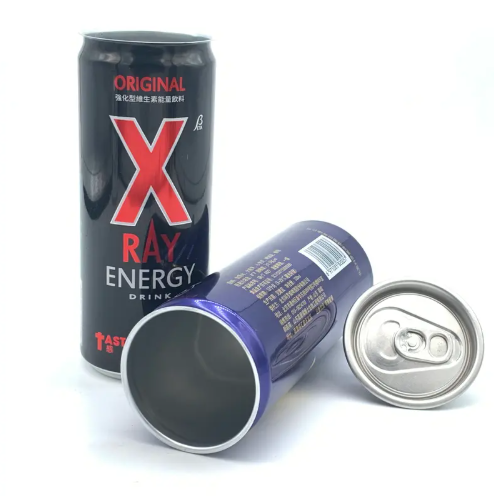
Beer is one of the most popular drinks worldwide. With the increasing diversity in beer preferences, packaging has evolved too. Understanding beer can sizes is crucial for both consumers and distributors.
In this guide, we'll explore common beer can and bottle sizes, their practical applications, and current trends. You'll learn how these sizes influence your beer experience.
Understanding Beer Can Sizes
Beer can sizes have come a long way, with different formats catering to a variety of drinking experiences. Here’s a look at the most popular beer can sizes.
The Standard 12 oz Beer Can
The 12 oz beer can is the most common and widely recognized beer can size in the United States. It’s the go-to option for most major beer brands and craft breweries. Ideal for individual servings, the 12 oz can is the perfect balance between portion and convenience. It’s compact, easy to store, and fits perfectly in coolers for picnics or parties.
Tallboy (16 oz Can)
The 16 oz can, commonly known as the "Tallboy", has grown in popularity, especially among craft beer brewers. It offers more beer than the standard 12 oz can, providing a full pint of beer. Tallboys are ideal for people who want a bit more beer but don’t want to commit to a larger size. These cans are perfect for social gatherings like parties, barbecues, or festivals where a larger portion is preferred.
19.2 oz Stovepipe Can
A newer size on the market, the 19.2 oz stovepipe can is gaining traction, particularly for craft beers. The name comes from the can's tall, narrow shape, which resembles a stovepipe. This size is becoming increasingly popular for offering better value, as it provides a bit more beer than the standard sizes but still feels manageable for a single serving. It’s especially common in stadiums and convenience stores.
24 oz Silo Can
The 24 oz silo can is a larger beer can often used for sharing or for events where larger quantities are preferred. It’s a go-to for people looking for a hearty serving of beer at outdoor events, festivals, or tailgates. Its size makes it a perfect choice for those who want to enjoy more than a single pint without opting for a full growler or keg.
32 oz Crowler
A 32 oz crowler is a unique hybrid between a beer can and a growler. It is commonly used at breweries for take-home draft beer. Unlike regular cans, crowlers are filled directly from the tap and sealed on-site. The crowler’s portability, along with its ability to preserve the freshness of the beer, makes it a popular choice for beer lovers who want to enjoy fresh, on-tap beer from their favorite brewery at home.
64 oz Growler (and its Variants)
Growlers, typically 64 oz, are glass or metal containers that are primarily used for storing draft beer from local breweries. The growler is the ideal option for large gatherings, special events, or just to stock up on fresh beer from a brewery. The crowler has increasingly become an alternative to glass growlers, offering convenience and durability with a similar volume.

A Closer Look at Beer Bottle Sizes
While beer cans have gained ground in recent years, beer bottles continue to be a staple for many breweries. Here’s a breakdown of popular beer bottle sizes.
The Standard 12 oz Bottle
Much like the 12 oz beer can, the 12 oz bottle is the standard size for bottled beer in the United States. Available in multi-packs, it’s the preferred format for mass-produced beers and is commonly found in supermarkets, bars, and restaurants. Its size makes it convenient for both consumers and distributors.
22 oz "Bomber" Bottle
The 22 oz bomber bottle is favored by craft brewers for limited-edition or special release beers. This size is typically used for stronger or more complex beers that are meant to be savored. The bomber bottle allows beer enthusiasts to enjoy a larger serving while also providing a unique aesthetic for premium or seasonal brews.
40 oz Bottle (Forty)
The 40 oz bottle, often referred to as a “forty”, is typically used for malt liquor or larger servings of beer. Known for its nostalgic appeal, the 40 oz bottle is a popular choice for casual gatherings and parties. It’s practical for those who want a large serving without the need to constantly refill.
750 ml Bottle
The 750 ml bottle, equivalent to a standard wine bottle, is common in European markets, especially for higher-quality or aged beers. This size is often used for rare, specialty, or craft beers that benefit from extended aging. The 750 ml format provides an elegant alternative for beer aficionados who appreciate unique brews.
Regional Differences in Beer Can and Bottle Sizes
Beer packaging varies from region to region, with different countries adopting distinct bottle and can sizes based on consumer preferences.
European Beer Can Sizes (330 ml Euro Can)
The 330 ml Euro can is the standard beer can size in many European countries. This size, just under 12 oz, is commonly used for imported beers in the United States and is favored for its compactness. European markets typically prefer smaller serving sizes, which influence the packaging choices for imported beers.
International Bottle Variations
Bottles in European markets often come in 330 ml and 500 ml sizes, while the 500 ml bottle is standard in the UK. These regional variations reflect the diverse beer-drinking cultures and preferences. International beer producers adapt their packaging to fit local consumer needs and tastes.
Choosing the Right Beer Can Size for Different Occasions
Choosing the right beer size depends on your occasion and drinking preferences. Here’s a breakdown of the best beer sizes for various situations:
For Solo Sipping | For individual consumption, the 12 oz and 16 oz tallboy cans are the most ideal sizes. These provide a satisfying amount of beer without being too much to handle. |
For Parties and Gatherings | When you’re hosting a party or attending an event, larger sizes like the 24 oz silo or 32 oz crowler are perfect for sharing. These sizes allow you to enjoy more beer without having to constantly refill. |
For Tasting and Sampling | Smaller beer cans, such as the 8 oz pony or the 330 ml Euro can, are great for sampling different beers. These sizes are perfect for tasting flights or trying out new flavors without committing to a full serving. |
Marketing and Packaging Trends in Beer Cans
The rise of craft beer has made beer can packaging more important than ever. Breweries are increasingly using different can sizes to enhance their brand’s appeal and provide better value to their customers.
The Rise of Craft Beer Cans
Cans have become a favorite choice for craft breweries due to their superior protection against light and oxidation. Brewers are also embracing cans for their ability to showcase intricate artwork and designs. Tallboys, stovepipes, and crowlers have become synonymous with the craft beer movement, attracting beer lovers with their distinctive size and unique branding.
The Aesthetic and Practical Benefits of Cans
Beer cans offer both aesthetic appeal and practical benefits. Their shape and the ability to display eye-catching artwork have made them a popular choice for craft brewers. In addition to the visual appeal, cans also have environmental advantages, as they are lighter, easier to carry, and more recyclable than glass bottles.
Conclusion
Understanding beer can and bottle sizes enhances your drinking experience. Whether solo or sharing, each size has unique advantages. Choosing the right size can elevate any occasion.
Consider the event and explore various sizes to match your preferences. Companies like Jinzhou offer high-quality cans that provide excellent packaging options, making your beer experience even more enjoyable.
FAQ
Q: What is the most common beer can size?
A: The most common beer can size is the 12 oz can, widely used by major beer brands for single servings.
Q: Why are beer cans becoming more popular?
A: Beer cans are becoming popular due to their superior protection against light and oxidation, keeping beer fresher for longer.
Q: What size beer can is best for parties?
A: For parties, the 24 oz or 32 oz beer cans are ideal for sharing, providing more beer per serving.
Q: Can I recycle beer cans?
A: Yes, all beer cans are recyclable, making them an eco-friendly choice for packaging.