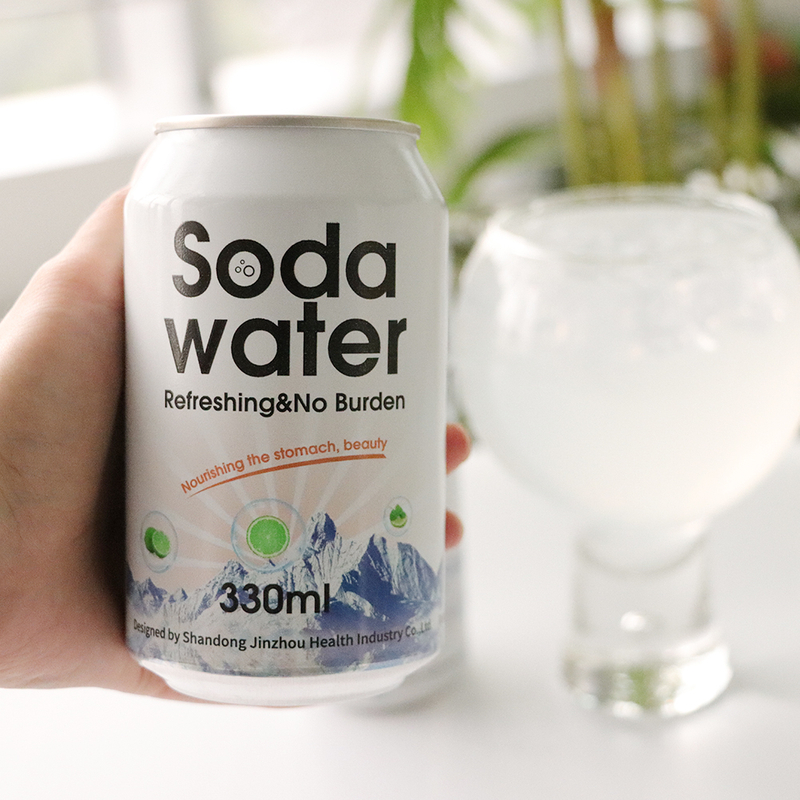
In recent years, you may have noticed that soda cans are looking slimmer and more stylish on store shelves. This shift in design is not just a trend; it reflects a broader evolution in consumer preferences and packaging innovations. As manufacturers adapt to the demands of modern lifestyles, these taller, narrower cans maintain the same volume while offering a fresh aesthetic. This article explores the reasons behind this transformation, the impact on consumer perceptions, and what it means for the future of soda packaging.
The History of Soda Can Sizes
Evolution of soda packaging from 1938 to present
Soda cans have come a long way since their first appearance in 1938. Initially, soda was sold in steel cans, which were heavier and less convenient. By 1948, companies like Pepsi perfected the aluminum can, making it lighter and easier to produce. This shift marked the beginning of rapid innovation in soda packaging.
Over the decades, soda cans evolved not only in materials but also in shape and size. Early cans were often shorter and wider, designed to hold 12 ounces, the standard volume that became popular in the U.S. The use of aluminum allowed for more flexible designs and helped reduce production and shipping costs.
In recent years, the trend has shifted towards taller, slimmer cans. These newer designs maintain the same 12-ounce capacity but offer a different look and feel. For example, brands like Sanpellegrino and some energy drink makers use slim cans to appeal to consumers seeking a modern, stylish appearance. This change also aligns with global trends, as similar slim cans appear in markets like the U.K. and Singapore.
Standardization of can sizes over the decades
Standardization of soda can sizes helped streamline production and distribution. By the 1960s and 1970s, the 12-ounce can became the norm in the U.S., replacing earlier sizes such as the 7-ounce or 16-ounce cans. This size aligned well with consumer expectations and the packaging machinery of the time.
The 12-ounce size was also influenced by the beer industry, which had adopted it after Prohibition. This volume was seen as a convenient, single-serving amount. Over time, aluminum cans replaced steel entirely, further cementing the 12-ounce can as the industry standard.
However, some variations exist. For instance, certain drinks like Nestea use 341 ml cans, slightly smaller than the typical 355 ml (12-ounce) can. Other sizes like 7.5-ounce mini cans or 16-ounce tallboys cater to niche markets or specific consumer preferences.
Recently, companies have introduced slim cans that keep the 12-ounce volume but change the dimensions, making the can taller and narrower. This shift is partly driven by marketing strategies and partly by logistical benefits, such as better shelf space utilization and more efficient shipping.
For manufacturers, understanding the history and standardization of can sizes helps in making informed decisions about packaging innovations that balance consumer appeal and operational efficiency.

Understanding Shrinkflation
Definition and examples of shrinkflation
Shrinkflation happens when companies reduce product size or quantity but keep the price the same. It’s a way to manage rising costs without raising prices directly. For example, a chocolate bar might drop from 200 grams to 180 grams, or a bag of chips might get smaller. Consumers often notice the change only after some time because the packaging looks almost identical.
This tactic is common across many food and beverage products. It can feel like a sneaky way to charge more without being obvious. Shrinkflation affects consumer trust if they feel tricked. So, brands must balance cost-saving with transparency.
Why soda cans are not victims of shrinkflation
Despite appearances, soda cans usually don’t fall into shrinkflation. Many newer soda cans look slimmer or smaller but still hold the same amount of liquid—typically 12 ounces (355 ml). The difference lies in the can’s shape, not the volume. Manufacturers redesign cans to be taller and thinner, maintaining the original fluid ounces.
This change is more about style, logistics, and marketing than cutting content. Slimmer cans fit better on shelves and in shipping containers, saving space and reducing costs. Consumers often perceive these cans as modern and upscale, which helps brands appeal to new markets.
For example, brands like Sanpellegrino and some energy drinks use slim cans to attract health-conscious buyers. The cans look elegant but deliver the same drink quantity. So, while shrinkflation shrinks product size, soda can redesigns keep volume steady and focus on other benefits.
When evaluating soda can changes, always check the label for volume information to avoid confusion between design changes and actual product size reductions.
The Appeal of Slimmer Soda Cans
Consumer perceptions and preferences
Slimmer soda cans have gained popularity largely because of how they look and feel. People often associate the taller, narrower shape with being sleek, modern, and even healthier. This perception is especially strong among consumers who want to enjoy their favorite drinks but also care about style and lifestyle choices.
For example, sparkling waters and energy drinks often come in slim cans, which helps create an image of sophistication and wellness. Brands like Sanpellegrino have successfully tapped into this trend, making their products feel more upscale without changing the actual drink. The slimmer design suggests a premium experience, which appeals to younger and health-conscious buyers.
Consumers also find slim cans easier to hold and carry. The shape fits comfortably in the hand, making it convenient for on-the-go drinking. This ergonomic advantage can influence buyers, especially in busy, active lifestyles where convenience matters.
Impact on purchasing decisions
The visual appeal of slimmer cans can directly affect what people buy. When shoppers see a sleek can on the shelf, it stands out among traditional, chunkier cans. This difference can make a consumer pause and consider trying something new.
Slim cans often signal innovation and freshness. They can suggest that the brand is evolving and keeping up with trends, which builds consumer trust and interest. This effect is powerful in crowded markets where many soda options compete for attention.
Moreover, slimmer cans fit better in refrigerators and coolers, which can influence purchase behavior in retail and food service settings. More cans fit in the same space, offering variety and convenience to customers. Retailers appreciate this too, as it maximizes shelf space and can boost sales.
Brands also use slim cans to target specific demographics. For instance, low-calorie sodas, hard seltzers, and natural sparkling waters often come in slim cans to attract health-focused consumers. The packaging supports the product’s positioning without altering the formula.
However, it’s important to note that while the can looks smaller, the volume inside often remains the same. This design trick helps brands maintain value perception without shrinking the actual product. Consumers should always check the label to confirm volume, especially if they are mindful of portion size.
When launching slimmer cans, brands should consider consumer preferences for both aesthetics and functionality to maximize market acceptance and loyalty.
Economic Benefits for Manufacturers
Cost savings in transportation and storage
Manufacturers gain significant savings by switching to slimmer soda cans. These cans fit more efficiently on pallets and in shipping containers, allowing companies to transport more units per trip. This reduces fuel consumption and lowers shipping costs.
In warehouses and retail stores, slimmer cans take up less space. This means more products can be stored or displayed in the same area. Retailers often appreciate this because it improves inventory turnover and sales potential. For example, a standard 12-pack of slim cans occupies less shelf space than a traditional 12-pack, letting stores stock more varieties or quantities.
Additionally, slimmer cans are lighter than older steel cans, further cutting transportation expenses. These savings add up over time, especially for large-scale soda producers shipping millions of cans worldwide.
Challenges of converting production facilities
Despite these benefits, switching to slimmer cans requires significant investment. Production lines must be retooled or replaced to handle the new can dimensions. This process can be costly and time-consuming.
Smaller or craft soda companies may hesitate to adopt slimmer cans due to upfront expenses. They might worry the trend is temporary and prefer to wait before committing. Larger manufacturers can spread the cost over many products, making the change more feasible.
Manufacturers must also ensure new cans meet quality and safety standards. The redesign affects can strength and sealing, so testing is essential. Any failure risks product spoilage or consumer dissatisfaction.
Still, many companies see the long-term payoff as worth the initial challenges. Slimmer cans help reduce costs and appeal to modern consumers, making the investment strategic.
When considering a switch to slimmer cans, manufacturers should conduct a detailed cost-benefit analysis, including production line modifications and logistics savings, to ensure a smooth transition and maximize ROI.
Aesthetic and Lifestyle Associations
Link between can design and perceived lifestyle
The design of soda cans often shapes how consumers perceive the product and the lifestyle it represents. Slimmer, taller cans are frequently linked to a modern, trendy, and health-conscious image. People tend to associate these cans with sophistication, elegance, and even a sense of being upscale.
This perception is partly because slimmer cans are commonly used for beverages marketed as premium or healthier options, such as natural sparkling waters, low-calorie sodas, and energy drinks. The sleek shape suggests a lighter, more refined choice compared to traditional, chunkier cans.
Consumers also connect these cans to active and youthful lifestyles. The slim design fits easily in a hand or bag, making it convenient for on-the-go drinking. This practicality, combined with the stylish look, appeals to busy individuals who want their products to reflect their personal values and habits.
Examples of brands leveraging new can designs
Many brands have embraced slimmer cans to align their products with these lifestyle trends. For example:
● Sanpellegrino uses slim cans to promote a premium, elegant feel for their sparkling waters, appealing to consumers who want a touch of luxury in everyday drinks.
● Energy drink companies like Red Bull and Monster often package their beverages in tall, slender cans to convey energy, vitality, and modernity.
● Hard seltzer brands such as White Claw and Truly have adopted slim cans to emphasize a light, refreshing, and health-conscious image.
● Starbucks introduced slimmer cans for some of their ready-to-drink coffee beverages, tapping into the trend of convenience combined with a stylish, urban vibe.
These brands use the can design not just for aesthetics but as a strategic tool to connect with target audiences. The slimmer can becomes a symbol of the product’s identity and the lifestyle it promotes.
When redesigning packaging, brands should consider how can shape and style influence consumer perceptions and the lifestyle message conveyed, as this can significantly impact market success.

Past and Present Trends in Soda Packaging
Previous attempts at introducing slimmer cans
Slimmer soda cans are not a brand-new idea. In fact, soda companies have tried to introduce tall, narrow cans before. For example, Pepsi launched a slim can during fashion week in 2011. The can was designed to look sleek and stylish, aiming to attract a younger, trend-conscious crowd. However, the marketing campaign backfired because it linked the slim cans to ideas about beauty and confidence in ways that many found offensive. This led to a quick withdrawal of the product.
That experience showed how important it is to carefully consider how new packaging is presented. Brands learned that consumers respond not only to the design itself but also to the messages behind it. Since then, companies have refined their approach, using terms like "sleek" instead of "skinny" to avoid negative connotations.
Other beverage sectors, like energy drinks and sparkling waters, also experimented with slimmer cans earlier. Some energy drink brands have long used tall, slim cans to stand out on shelves. Sparkling water brands, such as Sanpellegrino, helped popularize the look by linking it to premium quality and a sophisticated lifestyle.
Current market acceptance and future outlook
Today, slimmer cans are gaining traction and wider acceptance. More soda brands are adopting this design because it appeals to modern consumers who value style and convenience. The taller, narrower cans fit better in refrigerators, coolers, and even in hand, making them practical for on-the-go lifestyles.
Retailers like slimmer cans too. They take up less shelf space, allowing stores to stock a greater variety of products or more units in the same area. This can boost sales and improve inventory management.
The trend also fits well with growing consumer interest in health and wellness. Slim cans often house products marketed as lower calorie, natural, or premium, which helps position these drinks as better choices without changing the formula.
Looking ahead, the future of soda packaging seems to favor continued innovation in shape and size. While the classic 12-ounce volume remains standard, the shape will evolve to meet consumer preferences and logistical needs. Advances in sustainable materials and packaging technology may also influence designs, making cans lighter and more eco-friendly.
Brands that successfully combine aesthetics, convenience, and environmental responsibility will likely lead the market. Smaller or craft soda producers may join the trend as production costs decrease and consumer demand grows.
When considering new packaging designs, manufacturers should test consumer reactions carefully and align marketing messages to avoid past pitfalls and maximize acceptance of slimmer cans.
Conclusion
Soda cans have evolved in size and shape, driven by consumer preferences and logistical benefits. Slimmer designs offer a modern, stylish look while maintaining the same volume. This trend aligns with health-conscious and upscale markets. The future of soda packaging will likely see continued innovation. Companies like Shandong Jinzhou Health Industry Co.,Ltd. provide products that cater to these evolving demands, offering unique benefits that enhance consumer experiences and operational efficiency.
FAQ
Q: Why are soda cans getting slimmer?
A: Soda cans are getting slimmer to appeal to modern consumers seeking a sleek, stylish appearance. Despite the change in shape, these cans still hold the standard 12 ounces, combining aesthetics with efficient shelf space utilization.
Q: How do slimmer soda cans benefit manufacturers?
A: Slimmer soda cans benefit manufacturers by reducing transportation and storage costs. They fit more efficiently on pallets, allowing more units per shipment, and take up less space in warehouses and retail stores.
Q: Are soda cans affected by shrinkflation?
A: No, soda cans are not typically affected by shrinkflation. Although they may appear smaller, they usually maintain the same volume, focusing on design changes rather than reducing content.
Q: What is the impact of slimmer soda cans on consumer perceptions?
A: Consumers often perceive slimmer soda cans as modern and upscale, associating them with a sophisticated and health-conscious lifestyle, which can influence purchasing decisions.
Q: Do slimmer soda cans cost more than traditional ones?
A: The cost of slimmer soda cans is generally similar to traditional ones. The redesign focuses on aesthetics and logistical efficiency without significantly affecting the price for consumers.