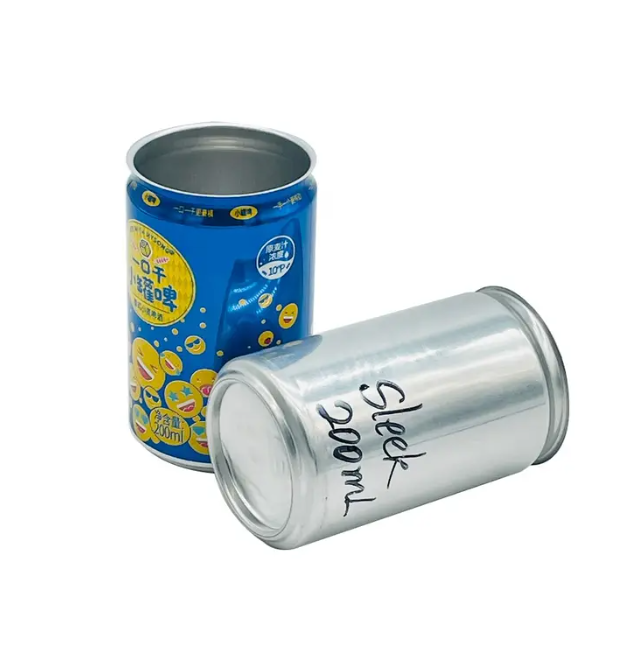
Have you noticed rising prices on everyday items? The global aluminum shortage is a major factor. This shortage, caused by disruptions and surging demand, is affecting industries worldwide.
Aluminum plays a crucial role in sectors like automotive, construction, and renewable energy. As the demand outstrips supply, businesses face increased costs and delays.In this post, we’ll explore the causes, impacts, and solutions to the aluminum shortage, shedding light on how it affects you and what can be done to resolve it.

What Is Aluminum and Why Is It So Important?
Aluminum is a lightweight, durable, and corrosion-resistant metal. It's one of the most widely used materials in the world due to its versatility and strength. Its key properties include being non-corrosive, highly recyclable, and excellent at conducting electricity. This makes it ideal for a wide range of applications.
Key Industries That Rely on Aluminum
Automotive Industry
Aluminum is essential for building lightweight vehicles, especially electric cars. It helps improve fuel efficiency and reduce carbon emissions.
Construction Industry
From windows and doors to structural components, aluminum is used in modern buildings. It's valued for its strength-to-weight ratio and resistance to corrosion.
Packaging Industry
Aluminum is the go-to material for beverage cans and food packaging. It's easy to form, lightweight, and preserves products better than many other materials.
Renewable Energy
Aluminum is crucial in building solar panels and wind turbines. Its light weight and durability make it perfect for energy-efficient technologies.
Aluminum's Role in Modern Infrastructure and Manufacturing
In modern infrastructure, aluminum is used extensively in transportation (aircraft, trains, cars), architecture, and electronics. The metal’s ability to withstand harsh weather, its recyclability, and its strength make it an indispensable part of modern manufacturing. Without aluminum, industries across the world would struggle to meet the demands of innovation and sustainability.
What Are the Main Causes of the Aluminum Shortage?
Supply Chain Disruptions
The COVID-19 pandemic severely disrupted global supply chains. With factories closing and transportation halting, the aluminum production process faced delays. This created bottlenecks, making it harder for aluminum to reach manufacturers and customers.
Geopolitical conflicts, like the Russia-Ukraine war, have also intensified the problem. Sanctions and trade disruptions have limited the export of raw materials, further straining the global aluminum market. In some cases, suppliers have halted operations due to safety concerns, worsening the shortage.
The transportation and logistics challenges have added to the chaos. Ports, roads, and railways are congested, delaying the movement of aluminum. This creates a ripple effect throughout the supply chain, from production to distribution.
Increased Demand for Aluminum
The demand for aluminum surged during the pandemic, especially in beverage packaging. As consumers stayed home, they increased their purchases of soft drinks, beer, and hard seltzers—all packaged in aluminum cans. This higher demand for aluminum cans has stretched supply lines thinner.
At the same time, aluminum’s use in electric vehicles and renewable energy projects has grown. It's lightweight, strong, and durable—perfect for car components and solar panels. As these industries expand, the pressure on aluminum production continues to rise.
The popularity of hard seltzers and home beverage consumption has also boosted demand. People now prefer purchasing canned drinks for home consumption, making aluminum a high-demand commodity.
Energy Costs and Production Limitations
Aluminum production is energy-intensive. Smelting aluminum requires vast amounts of electricity, and when energy prices spike, it becomes more costly to produce. This has especially impacted European producers, where energy costs have risen sharply, making production less viable.
Additionally, major aluminum-producing countries, like China, have limited their production due to strict environmental policies. China's push for sustainability has led to restrictions on high-energy-consuming industries, including aluminum production. This has further reduced the global supply.
Trade Policies and Tariffs
Global trade tariffs have complicated the aluminum market. With rising tariffs on imported aluminum, costs have increased, passing the burden onto consumers. These tariffs, while intended to boost domestic production, have led to higher prices and limited access to aluminum for some regions.
Policies affecting aluminum prices vary by region. Countries with high tariffs have seen prices rise, while others, dependent on imports, are struggling with insufficient supply.
How Does the Aluminum Shortage Affect Different Industries?
The Automotive Industry
Car manufacturers rely heavily on aluminum for lightweight components, especially in electric vehicles (EVs). Aluminum reduces weight, helping improve energy efficiency and reduce emissions in EVs. However, with the aluminum shortage, sourcing this crucial material has become difficult.
This shortage has caused production delays and higher costs for carmakers. Manufacturers are facing longer timelines to source aluminum, impacting vehicle delivery schedules. As a result, consumers may see longer wait times for their cars or higher prices due to increased production costs.
The Construction Industry
In construction, aluminum is used for windows, doors, roofing, and even structural components. The shortage is causing delays in sourcing aluminum, which impacts projects across the globe. Construction companies are finding it harder to get the material at competitive prices, leading to inflated costs.
These delays are particularly problematic for major infrastructure projects. With construction timelines pushed back, project costs are rising, causing financial strain for both builders and clients.
The Beverage Industry
The aluminum shortage has hit the beverage industry hard. With rising demand for canned drinks during the pandemic, the supply of aluminum cans has become scarce. Larger companies with pre-arranged contracts can secure aluminum supplies, but smaller breweries and beverage makers are facing shortages.
For smaller producers, this means delays in production, difficulty meeting demand, and higher costs for packaging. Many are being forced to increase prices or reduce production until they can secure more aluminum.
Renewable Energy Projects
Aluminum plays a key role in renewable energy projects, especially in solar panels and wind turbines. The shortage is slowing down the construction of these projects, as aluminum is crucial for the framework and infrastructure of both.
This delay is particularly concerning for climate goals, as renewable energy projects are key to reducing carbon emissions. The shortage may hinder progress toward a greener, more sustainable future.
The Economic Impact of the Aluminum Shortage
Rising Prices for Consumers
The aluminum shortage is causing a sharp increase in the prices of products made with aluminum, from cars to consumer goods. This shortage has led to higher costs for manufacturers, which are then passed on to consumers. Aluminum's role in packaging, automotive parts, and electronics makes it a crucial material for everyday products.
For example, the price of vehicles, especially electric cars, has risen due to higher aluminum costs. Similarly, products like canned beverages and household appliances are seeing price hikes. Even in construction, aluminum's role in windows, doors, and roofing materials is making building projects more expensive.
Market Distortions and Supply Scarcity
Large corporations with pre-drafted contracts are securing priority access to aluminum, leaving smaller companies struggling to source the material. This has caused a major imbalance in the market, where big players are stockpiling aluminum, and smaller businesses are left without supplies.
Local manufacturers, especially those who don’t have long-term contracts, are facing significant delays. For example, smaller breweries and local car manufacturers may have to reduce production or increase their prices to manage the shortages. This creates a competitive disadvantage, further distorting the market.
Global Supply Chain Challenges
The aluminum shortage is exacerbating broader economic challenges, such as inflation and rising manufacturing costs. Countries that rely heavily on aluminum imports are facing increasing costs, which can affect everything from everyday goods to industrial products.
This shortage is contributing to a global supply chain crisis, leading to increased transportation and production costs. As aluminum becomes harder to obtain, the cost of goods worldwide continues to rise, further stressing already strained global trade networks.

What Are the Potential Solutions to the Aluminum Shortage?
Increasing Domestic Production
Countries are actively working to ramp up domestic aluminum production to reduce dependence on imports. Governments are investing in new smelters and upgrading existing facilities to boost supply. For example, the U.S. is expanding production through initiatives like the Inflation Reduction Act, which provides incentives for domestic manufacturing and sustainable production.
New smelters are being built in places with abundant energy resources, such as the Middle East, to take advantage of cheaper power. These efforts are aimed at making aluminum production more local and less vulnerable to global supply chain disruptions.
Expanding Recycling Infrastructure
Recycling aluminum is a crucial solution. Aluminum can be recycled indefinitely, using only a fraction of the energy required to produce new aluminum. Increasing recycling infrastructure not only helps address the supply gap but also provides significant energy savings. In fact, recycling saves about 95% of the energy compared to producing new aluminum from raw materials.
Expanding recycling efforts globally can help meet long-term demand, reduce reliance on new mining, and improve sustainability in aluminum production. With higher recycling rates, aluminum can be reused, helping to stabilize supply and reduce environmental impact.
Diversifying Global Supply Chains
Sourcing aluminum from a broader range of countries can reduce dependence on regions prone to geopolitical risks. Diversifying supply chains helps prevent disruptions that could arise from conflicts or trade barriers.
By establishing multiple trade partnerships and tapping into new markets, the global aluminum supply chain can be made more resilient. This strategy can ensure a steadier supply, mitigating the effects of regional shortages or price hikes.
Improving Energy Efficiency in Aluminum Production
Aluminum production is energy-intensive, but advancements in energy-efficient technologies are making it more sustainable. New production techniques, such as using renewable energy sources, are reducing the environmental footprint of aluminum manufacturing.
Renewable energy, like solar and wind, is being integrated into smelting operations to make the process greener. As these technologies improve, energy consumption will decrease, lowering production costs and helping stabilize the supply of aluminum in the long term.
The Future of Aluminum Supply: What to Expect?
Demand Forecasts for Aluminum
Global demand for aluminum is expected to continue growing, especially in emerging markets like India and Africa. As these regions industrialize, their need for aluminum in construction, transportation, and packaging will rise. India, for example, is projected to see an increase in demand of nearly 6% per year as the country expands its infrastructure and automotive sectors.
Aluminum's role in green energy will also drive demand. The rise of renewable energy projects, like solar panels and wind turbines, requires substantial amounts of aluminum for their frameworks. As the push for sustainability intensifies, aluminum will play a key role in achieving global climate goals.
The Shift Toward More Sustainable Aluminum Practices
Industries are increasingly adopting more eco-friendly methods of aluminum production. These practices focus on reducing energy consumption and carbon emissions during production. More aluminum producers are integrating renewable energy sources, such as wind and solar power, into their smelting operations.
Aluminum's role in the circular economy is also becoming more significant. Its high recyclability makes it ideal for a future where materials are reused rather than discarded. By increasing recycling efforts, the aluminum industry can reduce its reliance on new raw materials, lower production costs, and contribute to long-term sustainability.
Will the Aluminum Shortage Persist?
Experts have mixed opinions on the long-term outlook for aluminum supply. Some predict that with increased production capacity, recycling efforts, and technological innovations, the shortage will ease over time. However, geopolitical tensions, trade barriers, and energy costs may still pose challenges.
To adapt to ongoing shortages, companies and consumers can look for alternative materials, invest in energy-efficient production methods, and support recycling initiatives. As the market adjusts, it’s crucial for industries to diversify their supply chains and secure stable sources of aluminum.
Conclusion: Navigating the Aluminum Shortage
The aluminum shortage is driven by supply chain disruptions, rising demand, and energy costs. It impacts industries like automotive, construction, and renewable energy. Solutions include boosting domestic production, expanding recycling, and diversifying supply chains.
Strategic efforts are crucial in addressing this issue. The industry must adopt sustainable practices and invest in solutions for a stable future.
Q1: What industries are most affected by the aluminum shortage?
A: The automotive, construction, and beverage industries are most affected, with aluminum shortages leading to production delays, higher costs, and reduced supply.
Q2: How can I reduce my reliance on aluminum in my business?
A: Businesses can diversify materials, explore alternatives, and invest in recycling efforts to mitigate the impact of aluminum shortages.
Q3: How can aluminum recycling help the shortage?
A: Recycling reduces the need for new aluminum, saving energy and alleviating supply pressure. It’s a sustainable way to meet demand.
Q4: Will aluminum prices continue to rise?
A: Prices are expected to stay high due to ongoing supply chain challenges and increasing demand, though production capacity growth could stabilize them.
Q5: Are there alternatives to aluminum for certain industries?
A: Materials like steel, plastic, and composites can serve as alternatives. However, they may have limitations in weight, durability, or cost.