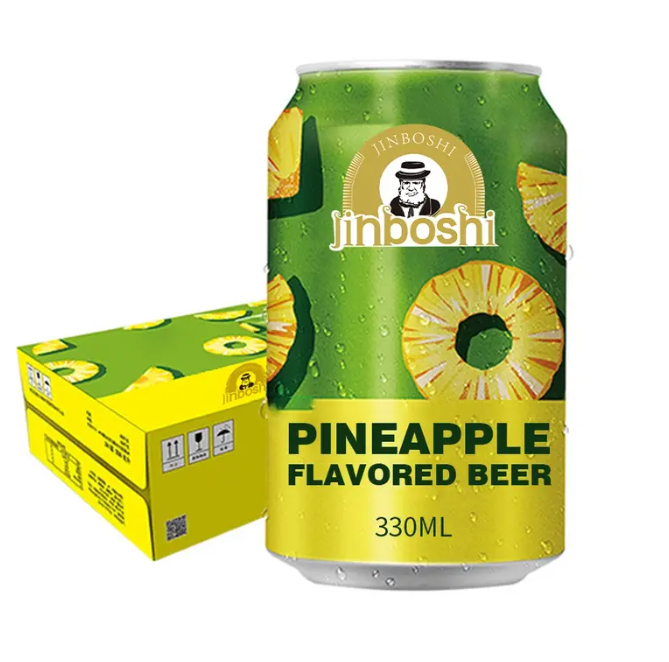
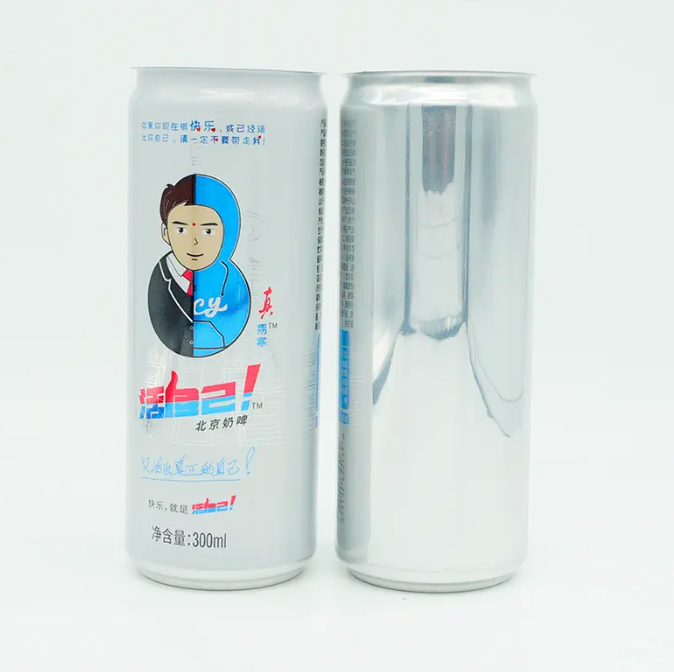
Have you ever wondered why some of your favorite drinks come in a 330ml can? This popular size is commonly found in beverages like sodas, beers, and energy drinks. Understanding the size of 330ml cans is important for making informed choices when shopping. The 330ml can offers the perfect balance between convenience and portion size, making it a favorite worldwide. In this article, we'll explore the 330ml can's role in daily beverage consumption and why it remains a top choice for both consumers and brands alike.
Understanding the 330ml Size of Drinks Can
A 330ml can holds 330 milliliters of liquid, which is about 11.2 ounces. This size is widely used for various beverages around the world. It offers a balanced amount of drink—enough to satisfy your thirst, but not too much to go to waste. This makes it an ideal choice for individual servings.
Why 330ml?
The 330ml can is favored for its versatility. It's small enough to be portable, but large enough to enjoy a full drink. For example, it's easy to toss into a bag or cooler for a picnic or a day out. Moreover, 330ml is also the standard can size in many countries, particularly in Europe, making it easy for international drinkers to recognize.
Typical Use in the Beverage Industry
● Beer: The 330ml can is the standard for many popular beer brands, especially those from Europe. It's often referred to as the "Euro can." This size suits both regular lagers and craft beers.
● Soda: Major soda companies, like Coca-Cola and Pepsi, offer their drinks in 330ml cans. This size is convenient for a single serving, whether you're having lunch or just need a quick refreshment.
● Energy Drinks: Energy drinks, like Red Bull and Monster, are commonly sold in 330ml cans. This size is perfect for a quick boost, providing enough drink without being overwhelming.
Whether you're grabbing a beer, soda, or energy drink, the 330ml can is a popular and practical choice.

Why is the 330ml Drinks Can Size So Popular?
The 330ml can is a sweet spot in the world of beverage packaging. It's not too small, like a 250ml can, and it's not as large as a 16oz or 24oz can. This balance makes it the ideal choice for many types of drinks. It offers a generous serving, without the waste or heaviness that larger cans sometimes bring. Whether it's a cold beer, soda, or energy drink, 330ml gives you just the right amount to enjoy without overdoing it.
Advantages Over Other Sizes
● Portability: One of the biggest benefits of the 330ml can is its portability. It's lightweight and easy to carry, making it perfect for outdoor activities, picnics, or on-the-go refreshment.
● Storage: Storing 330ml cans is a breeze. They fit neatly in fridges, coolers, or bags, without taking up too much room. They're easy to stack, so they don't crowd your space.
● Single Serving: The 330ml size is ideal for a single serving, offering the right amount of beverage without leaving you with extra that might go to waste. Whether it's for a quick drink or a single portion, it's the perfect size.
Popularity in International Markets
The 330ml can is especially prominent in international markets, particularly in Europe. Referred to as the “Euro can,” it's the standard size for many beers and soft drinks. In fact, if you've ever tried an imported beer, chances are it came in a 330ml can. This standardization makes it easier for consumers to know what they're getting, whether they're at home or traveling.
From convenience to portion control, the 330ml can is universally loved for its practicality. It's no wonder it's the preferred choice in many regions across the globe.
Common Beverages in 330ml Cans
Beers in 330ml Cans
330ml cans are a standard choice for beer, especially in international markets. The 330ml can is also a popular option for craft beers, as it offers the perfect balance between quantity and freshness. Many breweries choose this size for imported beers because it fits easily into standard packaging systems and is familiar to consumers worldwide. For many beer lovers, the 330ml can is a go-to option for a single-serving beer, providing a satisfying amount without being too large.
Sodas and Soft Drinks in 330ml Cans
Major soda brands like Coca-Cola, Pepsi, and Fanta also package their drinks in 330ml cans. This size is perfect for a quick refreshment, offering just enough drink without going overboard. The 330ml can provides a convenient, easy-to-carry option for people on the go. Whether you're grabbing a soda for lunch or a quick snack, it's the right portion to enjoy your favorite drink without wasting any. Many consumers prefer the 330ml can size as it fits nicely into bags, coolers, or even cup holders, making it an accessible choice for everyday consumption.
Energy Drinks and Other Beverages in 330ml Cans
Energy drinks like Red Bull and Monster often come in 330ml cans. This size is perfect for consumers looking for a quick boost while on the move. The 330ml can offers just enough of the energy-boosting ingredients without overloading the consumer. It's also a popular size for pre-workout drinks and other functional beverages, providing a satisfying and easily portable option for those needing a quick recharge. This size fits the needs of people who want to stay energized but prefer smaller, more convenient servings.
Why is 330ml the Standard Can Size Globally?
The 330ml can has established itself as the global standard, especially in Europe and many other international markets. It became widely accepted due to its perfect balance between size, portability, and consumer demand. This size fits well into both global distribution systems and individual preferences, making it a common choice for a variety of beverages.
Cultural and Marketing Factors Behind Its Popularity
In Europe, the 330ml can became the standard through a mix of historical factors and consumer preferences. Over time, it became the go-to size for beer, sodas, and other drinks. For consumers, it became familiar and dependable. Marketing efforts by major global brands further reinforced its presence, making the 330ml size synonymous with convenience and quality.
The 330ml can is also cost-effective for producers. It's an ideal size for both mass-market beverages and premium products. Additionally, it offers the right portion for a single-serving experience, which is perfect for both on-the-go and at-home consumption. Its popularity is also driven by its versatility, making it the best option for a wide range of beverages, including both regular and craft beers, soft drinks, and energy drinks.
How the 330ml Size Impacts the Beer Industry
For breweries in Europe, the 330ml can has been a standard for decades. Many of the world's most famous beers, including Heineken, Corona, and Carlsberg, have used this size for their packaging. It became a recognizable size, often associated with international brands and consistent quality. The 330ml size offers a perfect balance: enough to enjoy a beer but not too large to become wasteful.
In addition, the 330ml can is crucial for the export market. With global trade in beer, having a standard size is vital for consistency across international borders. Whether you're in the U.S., Asia, or Africa, the 330ml can ensures that consumers are familiar with the size and portion, making it easy to import and distribute beers worldwide.
By using this globally recognized size, breweries streamline their production and marketing processes, helping them reach a larger customer base and maintain efficiency in packaging and distribution. The standardization of the 330ml can has had a lasting impact on the beer industry, making it a key player in global beverage sales.

What is the Difference Between the 330ml Sleek Can and Standard 330ml Can?
330ml Sleek Can vs. Standard 330ml Can: What's the Difference?
The 330ml sleek can and the standard 330ml can hold the same amount of liquid, but they differ significantly in their shape, design, and purpose. Sleek cans are taller, narrower, and more modern-looking. They have a sleek, cylindrical shape that gives them a more refined and upscale appearance, often chosen for premium beverages. This design not only looks good but is easier to grip, which adds to its appeal.
In contrast, standard 330ml cans are wider and shorter, with a classic round shape. These are the traditional cans we see most often for sodas, beers, and energy drinks. While practical and easy to handle, they lack the sleek, trendy look that modern consumers often seek for premium products.
Advantages of Sleek Cans
Sleek cans are becoming a popular choice for brands that want to emphasize their product's modern, premium qualities. Their slim shape allows for more eye-catching and creative designs, making them a great marketing tool. The design stands out on the shelf and appeals to consumers looking for something fresh and trendy.
Beverages like energy drinks (e.g., Red Bull, Monster) and craft beers often use sleek cans to showcase their products as high-end or unique. These cans are designed not just to hold a drink, but to represent a lifestyle or brand identity. Their aesthetic appeal, combined with practical benefits like portability, makes them highly desirable in competitive markets.
The sleek design also offers an easier grip, which makes it ideal for people on the go. It's a perfect blend of style and function, contributing to its popularity among premium and niche beverage brands.
Conclusion
The 330ml can has become a staple in the beverage industry, offering a perfect balance between size, convenience, and versatility. Its popularity spans across beer, soda, and energy drinks, making it the go-to option for both consumers and manufacturers. The practical benefits of this size, from portability to efficient storage, have cemented its place in markets worldwide. Next time you're grabbing a cold drink, take a moment to appreciate the perfectly sized 330ml can!
J-ZHOU has years of experience in packaging and production of beer and beverage. If you want to know more about can packaging, feel free to contact us anytime with your inquiries.
FAQ
Q: Why is 330ml the most common size for beer cans?
A: The 330ml can is widely used for beer because it's the perfect serving size, offering just enough without being too large. It's standard in Europe and many international markets.
Q: Can I get soda or energy drinks in 330ml cans in every country?
A: Yes, 330ml cans are common for sodas and energy drinks globally, particularly in Europe, Asia, and Australia, though regional preferences may vary.
Q: How much beer can a 330ml can hold compared to other sizes like 12oz?
A: A 330ml can holds about 11.2oz, which is slightly less than a 12oz can, but still a common serving size for beer.
Q: Are 330ml cans more eco-friendly than other can sizes?
A: Yes, 330ml cans are more eco-friendly due to their widespread recyclability and efficient use of materials, reducing waste.
Q: How do 330ml sleek cans compare to standard 330ml cans in terms of cost and popularity?
A: Sleek cans are more expensive due to their premium design but are popular for energy drinks and craft beers. Standard cans are cheaper and more common for mass-market beverages.