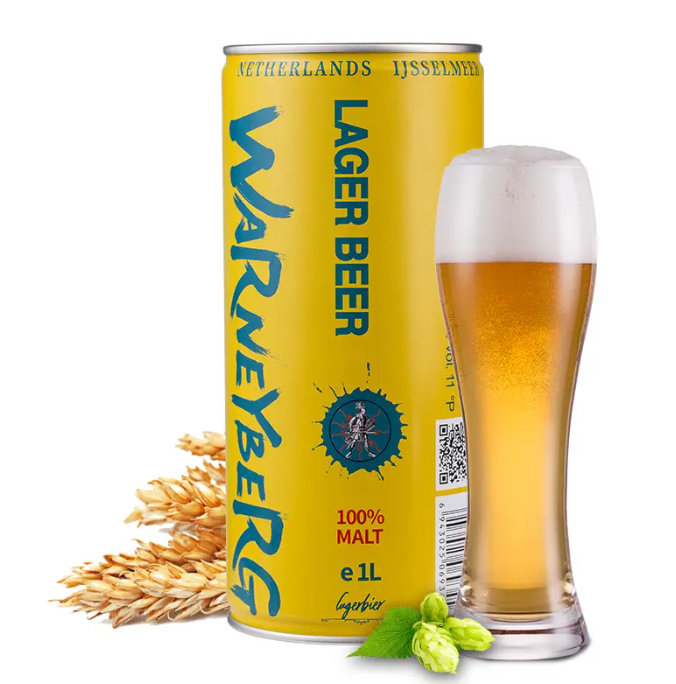
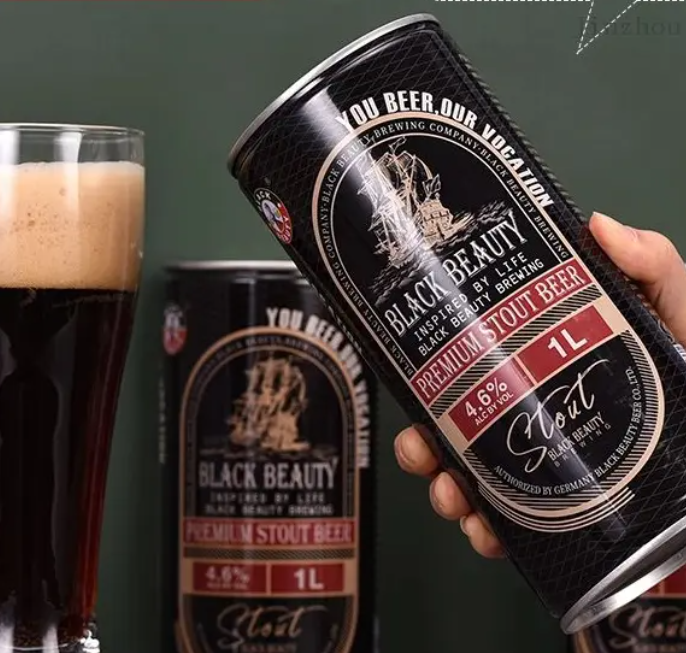
Beer is one of the most popular beverages worldwide, enjoyed by millions. But did you know there are hundreds of beer styles? Understanding the differences can help you choose the perfect beer for any occasion. In this article, we'll explore the various types of beer, the brewing process, and tips on selecting the right beer. By the end, you'll have a deeper appreciation for the world of beer.
What Is Beer? An Overview
Basic Ingredients in Beer
Beer is made from just four main ingredients: malt, water, yeast, and hops. Each one plays a vital role in shaping the beer's flavor, aroma, and mouthfeel.
● Malt: Usually made from barley, malt provides the sweetness and body of the beer. The type of malt influences the beer's color and sweetness level.
● Water: Water makes up most of beer, and its mineral content can change the flavor. Different water profiles are used for different beer styles.
● Yeast: Yeast is responsible for fermentation. It converts sugars into alcohol and carbon dioxide. Different yeast strains create distinct flavors, from fruity to spicy.
● Hops: Hops add bitterness, balance the sweetness from the malt, and contribute to the beer's aroma. The variety of hops used can range from floral to piney or citrusy.
The Brewing Process
Brewing beer is a step-by-step journey from grain to glass. Here's a quick breakdown of the process:
1. Mashing: The malt is mixed with hot water in a mash tun. This step turns starches into fermentable sugars, creating a sweet liquid called "wort."
2. Boiling: The wort is boiled, and hops are added at various stages. This extracts bitterness and aroma, balancing the sweetness of the malt.
3. Fermentation: The cooled wort is transferred to a fermenter. Yeast is added, where it eats the sugars and turns them into alcohol and carbon dioxide.
4. Aging: After fermentation, the beer is aged. This allows the flavors to mature and the beer to develop its final taste and clarity.
The result is a refreshing, flavorful drink that's ready for you to enjoy!
Understanding Beer Types: Ales vs. Lagers
What Makes Ales Different from Lagers?
The main difference between ales and lagers lies in the yeast and fermentation process. Ales use top-fermenting yeast, which works best at warmer temperatures, typically between 60-75°F. Lagers, on the other hand, use bottom-fermenting yeast and ferment at cooler temperatures (40-50°F). This results in a slower fermentation for lagers.
Ales ferment more quickly because of the warmer temperatures. Lagers take longer, which makes them smoother and lighter in taste.
Fermentation Time and Flavor Differences
Fermentation time plays a big role in the final flavor. Ales ferment faster and develop a more robust, fruity, and sometimes complex taste. This gives ales a lively and fuller flavor profile.
Lagers, due to their longer fermentation process, tend to have cleaner, crisper flavors. They are less fruity and more subtle. The extended fermentation allows for a smoother drinking experience, making them refreshing with a clean finish.
Here's a quick breakdown:

Common Beer Styles Explained
Introduction to Different Beer Styles
Beer offers a wide variety of styles, each with distinct flavors, aromas, and characteristics. These styles are categorized by factors such as color, flavor, bitterness, and alcohol content. Understanding beer styles helps you select the right beer for your mood, meal, or occasion. Whether you prefer a light and refreshing lager or a bold and complex stout, knowing the differences between beer styles enhances your overall experience.
Popular Ale Styles
Ales are made with top-fermenting yeast at warmer temperatures, leading to more fruity, complex, and fuller flavors.
These examples of ale styles highlight the range of flavors from light and fruity to dark and rich. Pale ales and IPAs bring hop-forward bitterness, while brown ales and stouts focus more on malt sweetness and roasted flavors. Wheat beers provide a refreshing, light alternative with fruity notes.
Popular Lager Styles
Lagers use bottom-fermenting yeast at cooler temperatures, resulting in a smoother, cleaner taste. Lagers are typically more subtle and refined compared to ales.
Lagers are known for their clean and refreshing qualities. Pilsners and American lagers are great for casual meals, while Vienna lagers and bocks offer more complex, malty flavors that complement richer foods like roasted meats and cheeses.
Sour and Specialty Beers
Sour beers are made with wild yeast and bacteria, which give them a tart, refreshing flavor. They are unique in the beer world, offering something different for those willing to explore beyond traditional styles.
Sour beers bring a refreshing and tart profile, often pairing well with cheese or salads. Fruit beers offer a sweet and tangy experience, perfect for lighter, fresh meals. Barrel-aged beers, known for their rich, complex flavors, complement hearty dishes and rich desserts, making them a great choice for special occasions.
Key Beer Terminology Every Beer Lover Should Know
ABV (Alcohol by Volume)
ABV stands for Alcohol by Volume, a key indicator of how strong a beer is. It tells you what percentage of the beer's volume is alcohol. Understanding ABV helps you gauge the intensity of a beer's alcohol content and its impact on taste and the drinking experience.
● How to read ABV: If a beer has an ABV of 5%, this means 5% of the beer's liquid is alcohol. The higher the ABV, the stronger the beer will taste and the higher its intoxicating effects. For example, a 10% ABV beer is stronger than a 4% ABV beer, which might feel lighter and easier to drink.
● Impact on taste: Higher ABV beers tend to have more robust flavors. Strong ales, IPAs, and stouts often have higher ABVs and richer, more intense flavors.
IBU (International Bitterness Units)
IBU measures the bitterness of a beer, which comes from hops. The higher the IBU, the more bitter the beer will taste. This scale ranges from 0 (no bitterness) to 100+ (very bitter), helping you understand the level of bitterness before you even take a sip.
● What IBU means: IBU indicates how bitter a beer will be, with more hops contributing to higher bitterness. For example, an IBU of 5-10 results in a light bitterness, while 50+ brings a much stronger hop presence.
● Bitterness range:
○ Low IBU (5-20): Beers are light and refreshing, like many lagers or wheat beers.
○ Moderate IBU (20-40): Balanced bitterness, such as in pale ales or amber ales.
○ High IBU (40-100+): Strong, intense bitterness, often found in IPAs or imperial stouts.
Body and Mouthfeel
"Body" refers to the weight or fullness of the beer in your mouth, while "mouthfeel" describes the overall texture. These terms help convey the physical experience of drinking the beer, affecting how it feels and how you enjoy it.
● What does "body" mean?: Body is how heavy or light a beer feels. Light-bodied beers feel thin or watery, while full-bodied beers feel thicker and richer.
● Light-bodied vs. full-bodied beers:
○ Light-bodied: Crisp, refreshing, and easy to drink, common in lagers, wheat beers, and pilsners.
○ Full-bodied: Heavier, often creamy or rich, typically found in stouts, porters, and some Belgian ales.
Maltiness vs. Bitterness
Maltiness and bitterness are two key elements in balancing beer flavors. Maltiness comes from the sweet side of beer, while bitterness is usually derived from hops.
● Balance between sweetness (maltiness) and bitterness: A good beer should strike a balance between the sweet malt flavors and the bitter taste from hops. Brewers carefully control this balance, making sure one doesn't overpower the other.
● How brewers achieve balance:
○ Malty beers: Often sweet, with caramel, toffee, or bready flavors. These tend to have lower IBUs, allowing the malt sweetness to shine.
○ Bitter beers: Brewed with more hops to create a strong bitterness, like in IPAs. The sweetness of the malt helps balance the intense bitterness, creating a harmonious flavor.

How to Choose the Right Beer for You
Consider Your Personal Taste Preferences
When choosing a beer, the first thing to think about is your personal taste. Are you more drawn to light or dark beers? Do you prefer a hoppy, bitter flavor or something more malty and sweet?
● Light vs. Dark: Light beers, like lagers and wheat beers, are crisp and refreshing. Dark beers, like stouts and porters, are rich and full-bodied, with roasted or chocolatey flavors.
● Hoppy vs. Malty: Hoppy beers, like IPAs, can be bold and bitter, often with floral or citrus notes. Malty beers, like brown ales or bocks, offer a sweeter, toasty flavor.
● Bitter vs. Sweet: If you prefer something on the bitter side, try an IPA or pale ale. If you enjoy sweetness, look for beers like wheat beers or brown ales.
● Food and Season: Consider the food you'll be eating and the season. Lighter beers are perfect for warm weather and fresh salads, while darker beers pair well with heavier, winter dishes like stews and roasts.
How to Pair Beer with Food
Pairing beer with food can elevate both the meal and the drink. Certain beer styles complement specific types of cuisine, and a little knowledge goes a long way.
● General Pairing Guidelines:
○ Lighter beers like pilsners or wheat beers go well with lighter dishes such as seafood, salads, or chicken.
○ Hoppier beers like IPAs are great with spicy dishes, such as curry or Mexican food.
○ Malty beers such as brown ales or bocks are perfect for rich, savory foods like roast meats, burgers, and grilled vegetables.
○ Dark beers like stouts pair wonderfully with hearty foods, such as BBQ, chocolate desserts, and grilled meats.
Starting Your Beer Journey: Best Beers for Beginners
If you're new to beer, it's good to start with styles that are easy to drink and not too overwhelming. Here are some beginner-friendly options:
● Lagers: Light, crisp, and refreshing, lagers are often a great starting point. They're not too bitter and are easy to sip.
● Wheat Beer: Wheat beers, like Hefeweizens, are light and fruity, with a smooth mouthfeel that's gentle on the palate.
● Pale Ales: Pale ales are balanced, with a slight bitterness and malt sweetness. They offer a good introduction to hoppy beers without being too intense.
These styles offer a range of flavors that aren't too extreme, helping you ease into the world of beer.
Conclusion
Understanding beer types and styles is key to enhancing your drinking experience. Whether you prefer light or dark beers, knowing your preferences helps you enjoy beer more. Don't be afraid to explore different beer varieties. Experiment with new styles and find what you truly enjoy. The world of craft beer is diverse and full of exciting flavors waiting for you to discover. If you need further advice, don't hesitate to contact J-ZHOU to help you make the best choice for your needs.
FAQ
Q: What are the best beers for beginners?
A: Lagers, Wheat Beers, and Pale Ales are great for beginners. They offer balanced, approachable flavors that are easy to enjoy.
Q: How do I know what beer style I will like?
A: Start by considering your flavor preferences—light vs. dark, hoppy vs. malty—and experiment with different beer styles that match your tastes.
Q: Can beer pair well with food? If so, how?
A: Yes, beer pairs excellently with food. Lighter beers go well with seafood and salads, while darker beers complement rich foods like BBQ and chocolate.
Q: What's the difference between an IPA and a pale ale?
A: IPAs are hoppier and more bitter than pale ales, with stronger citrus or piney flavors. Pale ales are more balanced, offering both malt sweetness and moderate hop bitterness.