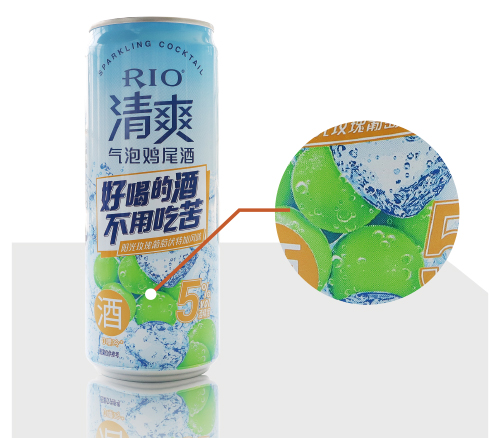
Beer and hard seltzer are two of the most popular alcoholic beverages today. With more people becoming health-conscious, especially those with diabetes, choosing the right drink is crucial. Understanding the nutritional content of beer and hard seltzer is key for managing blood sugar.In this post, we’ll discuss the best options for diabetes-friendly drinks and how to make smarter choices when enjoying your favorite beverages.
What Are Beer and Hard Seltzer?
What Is Beer?
Beer is one of the oldest alcoholic beverages, made from fermented grains. Its history dates back over 7,000 years, and today, it's enjoyed worldwide. The brewing process involves fermenting cereal grains, typically barley, with water, hops, and yeast.
The hops give beer its distinct bitter flavor, while the yeast ferments the sugars, creating alcohol. There are many types of beer, including lagers, ales, stouts, and IPAs. Each type differs in flavor, color, and alcohol content, based on the brewing process and ingredients used.
Common ingredients used in beer brewing:
Grain (usually barley or other cereal grains)
Hops (provide bitterness and aroma)
Yeast (ferments sugars into alcohol)
Water (makes up most of the beer)
What Is Hard Seltzer?
Hard seltzer, a newer drink, is made with carbonated water, alcohol, and natural flavoring. It became popular in recent years due to its light, refreshing taste and low calorie count. Unlike beer, which uses grains for fermentation, hard seltzer is typically made by fermenting cane sugar or corn.
The brewing process for hard seltzer:
Fermenting cane sugar or corn into alcohol.
Adding carbonated water for a fizzy texture.
Flavoring with fruit juices or natural flavors.
Hard seltzer is lower in carbohydrates and calories compared to most beers. It also contains less alcohol, typically ranging from 4% to 5% ABV. The key difference between beer and hard seltzer lies in their ingredients and carb content. While beer uses grains like barley, hard seltzer uses sugar for fermentation, making it a lower-carb alternative.
Key differences:
Beer: Higher carb content, brewed from grains like barley.
Hard Seltzer: Lower carbs, brewed from fermented sugar or corn.
Beer and Hard Seltzer: A Nutritional Breakdown
The Nutritional Content of Beer
Beer comes in various types, each with different nutritional profiles. On average, a 12 oz serving of beer contains between 95-240 calories and 3-20 grams of carbs. The alcohol by volume (ABV) typically ranges from 4-7% depending on the style.
Lagers: Around 95-110 calories, 3-7 grams of carbs, ABV 4.1-4.2%
Ales (IPA, Porter, Stout): Can have 170-240 calories, 11-20 grams of carbs, ABV 4-8%
How to choose beer for blood sugar control:
Look for light beers, which tend to have lower carbs and fewer calories. These are often around 95 calories and 3-6 grams of carbs per serving.
Be cautious with craft beers, which may have higher calories and carbs due to extra ingredients like oats or lactose.
The Nutritional Content of Hard Seltzer
Hard seltzers are typically lower in calories and carbs compared to beer. A 12 oz serving of popular brands contains about 100 calories, 2-5 grams of carbs, and 4-5% ABV. They’re often marketed as low-carb options, but always check the label for sugar content.
Some hard seltzers are sugar-free, using sweeteners like stevia to add sweetness without raising glucose levels. These are great for diabetics, as they have minimal impact on blood sugar.
What to look for on hard seltzer labels:
No added sugars or sugar substitutes like stevia.
Low-calorie options that stay within 100 calories per serving.
Check the ABV to keep alcohol intake moderate for better blood sugar control.
Tips for Choosing the Right Beer and Hard Seltzer for Diabetes Management
Low-Carb Beer Options for Diabetics
For diabetics, choosing beer that is low in carbs and calories is key to maintaining stable blood sugar levels. Here’s a list of some low-carb, low-calorie beers to consider:
Light Lagers: Around 95 calories and 3-6 grams of carbs per 12 oz.
Pilsners: About 95-160 calories and 9-17 grams of carbs per serving.
Always check the ABV (alcohol by volume) and calorie count when selecting light beers. Beers with lower ABVs generally have fewer calories and carbs, making them better for blood sugar control.
Note: Craft beers may have higher carbs and calories due to added ingredients like oats or lactose. These may impact your blood sugar differently from standard lagers, so always check the label for nutritional details.
Choosing Hard Seltzer for Blood Sugar Control
Hard seltzers can be a great option for diabetics if you choose wisely. Many brands offer low-carb versions that are refreshing and easy on blood sugar levels.
Here are some tips for choosing the best hard seltzer:
Look for "no added sugar" and "gluten-free" labels to avoid hidden sugars and carbs.
Choose low-carb hard seltzers, which typically have around 2-5 grams of carbs and 100 calories per 12 oz serving.
Alcohol and Diabetes: How to Drink Responsibly
What to Consider Before Drinking Beer or Hard Seltzer
Before enjoying a beer or hard seltzer, it’s important to take some precautions to manage blood sugar effectively. Here are a few things to consider:
Eat a snack before drinking: Having a snack, such as Greek yogurt, fruit, or nuts, can help prevent hypoglycemia (low blood sugar) while drinking.
Stay hydrated: Drink water before, during, and after consuming alcohol to help control your intake and avoid dehydration.
Avoid drinking on an empty stomach: Alcohol can lower blood sugar quickly.

Are Non-Alcoholic Alternatives a Good Option?
Non-alcoholic beers and hard seltzers are growing in popularity, offering a low-calorie, alcohol-free option for those who want the taste without the effects of alcohol. Here's how they compare to regular beverages:
Carb and calorie content: Non-alcoholic beer is often lower in calories and carbs compared to regular beer. A typical 12 oz serving of non-alcoholic beer can have around 50-100 calories and 5-10 grams of carbs, while regular beer can range from 95-240 calories and 10-20 grams of carbs.
Impact on blood sugar: Non-alcoholic beer may still have some carbs and sugars, but generally, it has a lower glycemic impact than regular beer. It's a better option for people with diabetes who want to avoid significant blood sugar spikes.
Non-alcoholic hard seltzers: These are usually very low in carbs, with many brands offering zero sugar options. They can help manage blood sugar better than regular alcoholic beverages.
Exploring Non-Alcoholic Beverages for Diabetics
If you're looking for alternatives to both alcoholic and non-alcoholic beer, there are other refreshing options that are perfect for diabetics:
Hop water and hop tea: These are alcohol-free drinks made from hops. They're a great option for flavor without the sugar or alcohol. Hop water is refreshing, while hop tea provides additional antioxidants.
Flavored waters and mocktails: These drinks often contain little to no sugar and are a great way to hydrate without affecting blood sugar. Try sparkling water with a splash of lemon or lime, or make a mocktail using fresh fruits and herbs.
These alternatives not only help with glucose control but also offer variety without sacrificing taste.
Conclusion: Enjoying Beer and Hard Seltzer with Diabetes
Moderation is key when consuming alcohol, especially for diabetics. Making informed choices allows you to enjoy beer and hard seltzer without negatively impacting your blood sugar levels. Opt for low-carb, low-calorie options like light beers and sugar-free hard seltzers. Always read labels and monitor blood sugar to stay safe.
FAQs
Q: Can people with diabetes drink beer and hard seltzer safely?
A: Yes, but with mindful choices regarding alcohol content, carbs, and calories.
Q: What’s the best type of beer for diabetics?
A: Light lagers, pilsners, and gluten-free beers are typically the best options.
Q: Does hard seltzer have sugar?
A: Some hard seltzers are sugar-free, while others contain sweeteners like stevia. Always check the label.
Q: What should I eat before drinking alcohol if I have diabetes?
A: A small snack that includes protein or fiber, such as Greek yogurt or veggies, is ideal before drinking.